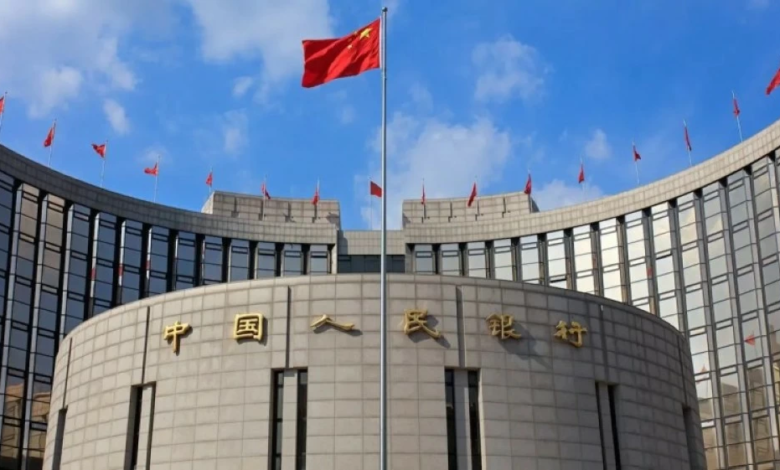

In a new strategic move reflecting Beijing's drive to tighten its control over cross-border financial flows, Chinese authorities have officially announced that domestic companies will be "in principle" obligated to repatriate funds raised from overseas IPOs. These new rules are part of a broader regulatory framework aimed at increasing oversight of foreign financing, as the Chinese government seeks to manage financial risks and maintain the stability of the foreign exchange market.
According to guidelines issued Friday by the People’s Bank of China (the central bank) and the State Administration of Foreign Exchange (SAFE), companies holding funds overseas for specific purposes, such as foreign direct investment, investment in foreign securities, or granting overseas loans, will be required to obtain prior approval from regulators before listing or disposing of those funds. This measure reduces the flexibility that companies previously had in managing their dollar earnings outside the mainland.
Under these regulations, set to take effect on April 1, 2026, companies are required to use dedicated capital accounts for cross-border repatriation. The rules also explicitly state that funds generated from shareholder transactions, including proceeds from buying or selling shares listed on foreign exchanges, must be repatriated to China "in principle," effectively preventing the holding of foreign currency abroad for extended periods without a justifiable reason.
In a related development, the new regulations addressed the policy of "full trading," or what is known as "H-share" shares, which are Chinese shares listed on the Hong Kong Stock Exchange. Authorities mandated that all funds related to these shares be transferred through designated accounts at the Chinese clearinghouse. Crucially, dividends distributed to shareholders residing in mainland China must be settled in the local currency (yuan) within China, rather than through external channels or foreign currencies, thus promoting the use of the yuan in financial settlements.
These moves come within a broader historical and economic context, as China has been striving for several years to curb systemic risks in its financial system, particularly after periods of significant capital outflows. Beijing is working to balance allowing its companies to grow globally with the need to maintain foreign exchange reserves and a stable local currency. Economic observers believe this move will force major Chinese companies, especially in the technology sector, to reassess their global financing strategies, as overseas listings are no longer an easy way to hold dollar-denominated assets away from domestic regulators.
This decision is expected to have tangible long-term effects, boosting domestic liquidity and giving the central bank stronger tools to control monetary policy, but at the same time it may add procedural burdens on companies seeking rapid international expansion.