
أعلنت الحكومة الصينية عن حزمة من الإجراءات الجديدة التي تهدف إلى تعزيز الانفتاح والتواصل مع تايوان، في خطوة استراتيجية تركز بشكل خاص على مجالي السفر والتبادل الثقافي. يأتي هذا الإعلان في وقت تشهد فيه العلاقات بين الصين وتايوان تقلبات مستمرة، ليمثل محاولة لتهدئة التوترات عبر القوة الناعمة والدبلوماسية الشعبية.
السياق التاريخي والسياسي للأزمة
لفهم أهمية هذه الخطوة، يجب النظر إلى السياق التاريخي؛ حيث تعود جذور الانقسام إلى عام 1949 عقب انتهاء الحرب الأهلية الصينية. وتعتبر بكين تايوان جزءاً لا يتجزأ من أراضيها، وتسعى لإعادة توحيدها، سلمياً إن أمكن. وقد شهدت العلاقات قطيعة رسمية رفيعة المستوى منذ عام 2016، وذلك عقب فوز تساي إنغ وين، مرشحة الحزب التقدمي الديمقراطي، بالرئاسة في تايوان، ورفضها الاعتراف بـ ‘توافق عام 1992’ الذي ينص على مبدأ ‘صين واحدة’.
زيارة المعارضة التايوانية وموقف بكين
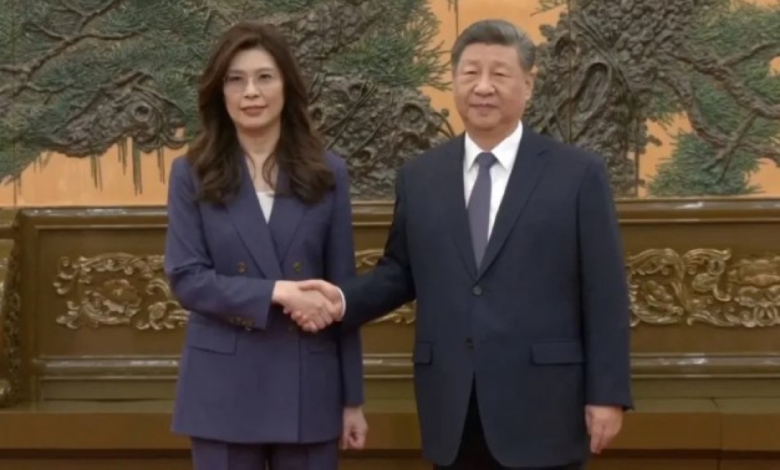
جاءت الإجراءات الصينية الأخيرة في ختام زيارة نادرة ومهمة لوفد من المعارضة التايوانية برئاسة ‘هونغ هسيو تشو’، الزعيمة السابقة لحزب الكومينتانغ المعارض. وتُعد هذه الزيارة الأولى لزعيمة هذا الحزب إلى الصين منذ عشر سنوات. خلال الزيارة، التقت هونغ بالرئيس الصيني شي جين بينغ، الذي جدد معارضته الصارمة لأي محاولات لاستقلال تايوان، داعياً في الوقت ذاته إلى إقامة علاقات سلمية بين بكين وتايبيه بهدف ‘تجنب الحرب’ وضمان الاستقرار الإقليمي.
تفاصيل الإجراءات الصينية الجديدة
نشرت وكالة أنباء الصين الجديدة الرسمية (شينخوا) قائمة تضم عشرة إجراءات تهدف إلى ‘تعزيز التنمية السلمية للعلاقات عبر المضيق وتحسين رفاهية المواطنين’. ومن أبرز هذه الخطوات:
- إعادة إطلاق ‘البرنامج التجريبي للسفر الفردي’ إلى تايوان، والذي يستهدف في مرحلته الحالية سكان مدينة شنغهاي ومقاطعة فوجيان، نظراً للقرب الجغرافي والثقافي.
- استئناف الرحلات الجوية المباشرة بشكل كامل بين تايوان وعدد من المدن الصينية الكبرى، مما يسهل حركة التجارة والسياحة.
- السماح باستيراد المسلسلات والأفلام الوثائقية التايوانية إلى السوق الصينية الضخمة، شريطة أن تكون ذات محتوى ‘سليم وموجه بشكل صحيح وذات جودة عالية’.
ردود الفعل المتباينة وتأثيرها الإقليمي
في حين رحب حزب الكومينتانغ المعارض بهذه الخطوات، معتبراً إياها مساهمة في ‘التنمية السلمية’، جاء الرد الرسمي من تايبيه مختلفاً. فقد انتقدت المتحدثة باسم الرئاسة التايوانية، كارين كو، هذه الإجراءات، مشيرة إلى أن الصين تستمر في تجاهل القنوات الرسمية القائمة للتفاوض مع الحكومة التايوانية المنتخبة ديمقراطياً، وتفضل التواصل مع أحزاب المعارضة في محاولة للضغط السياسي.
على الصعيد الدولي والإقليمي، تحمل هذه التطورات في العلاقات بين الصين وتايوان أهمية بالغة. فالمجتمع الدولي، وعلى رأسه الولايات المتحدة الأمريكية، يراقب عن كثب أي تحركات في مضيق تايوان الذي يُعد شرياناً حيوياً للتجارة العالمية وصناعة أشباه الموصلات. وتُظهر هذه الإجراءات الصينية رغبة في استخدام الأدوات الاقتصادية والثقافية كبديل أو مكمل للضغوط العسكرية، مما قد يساهم في خفض حدة التوتر على المدى القصير، رغم استمرار الخلافات الجوهرية بين الحكومتين.