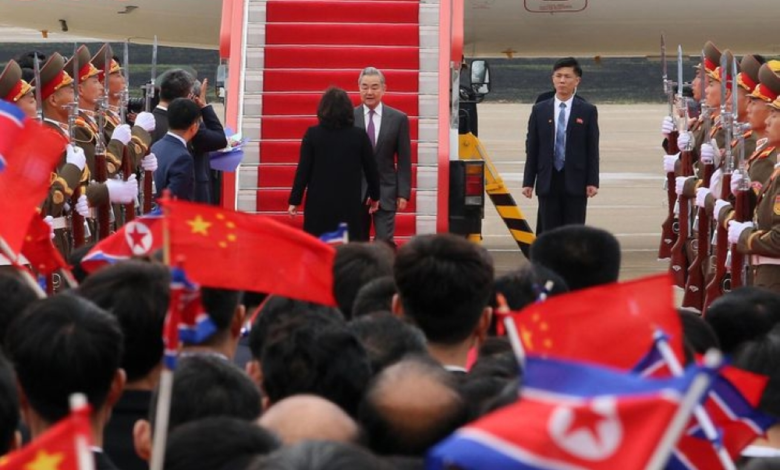

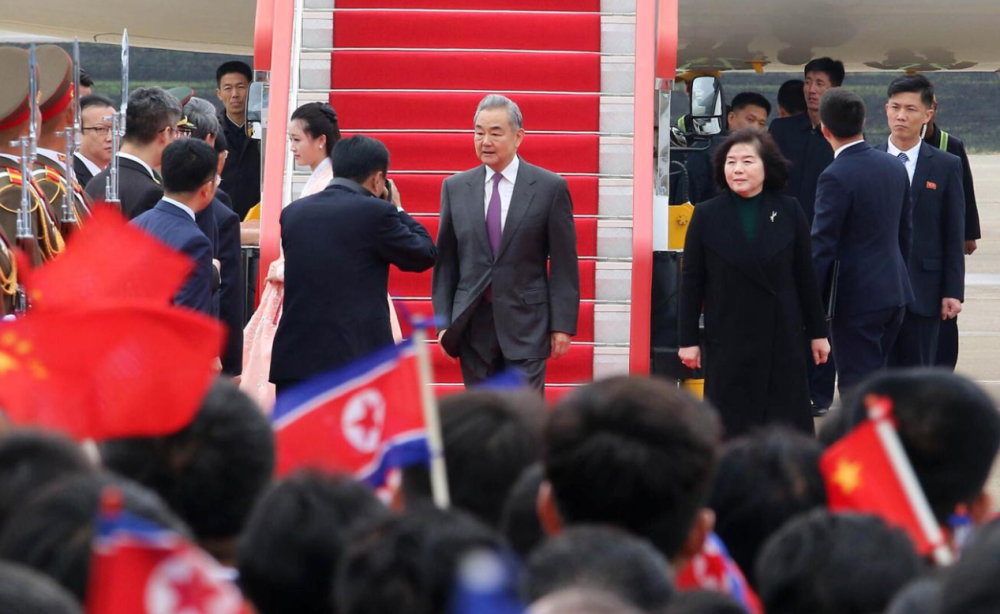
في خطوة تعكس عمق الروابط التاريخية والسياسية، أعرب وزير الخارجية الصيني وانغ يي لنظيرته الكورية الشمالية تشوي سون هوي عن استعداد بكين الكامل لتعزيز التبادلات والتعاون بين البلدين على كافة الأصعدة. جاءت هذه التصريحات وفقاً لما أفادت به وسائل الإعلام الرسمية الصينية عقب اجتماع رفيع المستوى عُقد في العاصمة الكورية الشمالية بيونغ يانغ، مما يسلط الضوء على مسار جديد في العلاقات الصينية الكورية الشمالية.
وتكتسب هذه الزيارة الرسمية التي قام بها وانغ يي إلى كوريا الشمالية أهمية بالغة، حيث تُعد الأولى له منذ عام 2019. وتأتي هذه الخطوة الدبلوماسية الهامة بُعيد استئناف البلدين الجارين تشغيل خطوط النقل البرية والحديدية بينهما، وذلك بعد توقف دام لسنوات بسبب الإجراءات الاحترازية الصارمة التي فُرضت خلال جائحة كوفيد-19. هذا الانفتاح التدريجي للحدود يعكس رغبة متبادلة في إنعاش الشراكة الاقتصادية والتجارية التي تضررت جراء الإغلاق الطويل.
الجذور التاريخية: صداقة تشكلت بالدم
وخلال المحادثات الثنائية، أشاد وزير الخارجية الصيني بما وصفه بـ “الصداقة التقليدية بين البلدين التي تشكلت بالدم”. يعود هذا الوصف العميق إلى حقبة الحرب الكورية (1950-1953)، حيث تدخلت القوات الصينية لدعم كوريا الشمالية، مما أسس لتحالف استراتيجي طويل الأمد. وقد تُوجت هذه الروابط بتوقيع معاهدة الصداقة والتعاون والمساعدة المتبادلة في عام 1961، والتي لا تزال تشكل حجر الزاوية في العلاقات الثنائية، وتجعل من الصين الحليف الأهم والداعم الاقتصادي والسياسي الرئيسي لبيونغ يانغ على الساحة الدولية.
تعزيز التعاون الشامل والتأثير الإقليمي
وذكرت وكالة أنباء شينخوا الصينية الرسمية أن بكين مستعدة للعمل جنباً إلى جنب مع كوريا الشمالية من أجل تعزيز الحوار والتعاون العملي على جميع المستويات وفي مختلف المجالات. كما أكدت على أهمية تعميق التبادلات الشعبية والثقافية لترسيخ التفاهم المشترك. هذا التوجه نحو تعزيز التعاون لا يقتصر على الجانب الاقتصادي فحسب، بل يمتد ليشمل التنسيق الدبلوماسي والأمني الوثيق.
على الصعيد الإقليمي والدولي، يحمل هذا التقارب رسائل جيوسياسية هامة. ففي ظل تصاعد التوترات في شبه الجزيرة الكورية وزيادة التعاون العسكري بين الولايات المتحدة وكوريا الجنوبية واليابان، تسعى الصين وكوريا الشمالية إلى توحيد صفوفهما وتنسيق سياساتهما. وأضافت وكالة شينخوا أن وزيري الخارجية “تبادلا أيضاً بعمق وجهات نظر حول القضايا الدولية والإقليمية الراهنة”، مما يشير إلى تنسيق المواقف تجاه التحديات العالمية، وتأكيد الصين على دورها كقوة توازن رئيسية في شرق آسيا، وداعم دبلوماسي لبيونغ يانغ في مجلس الأمن والمحافل الدولية.