
الصين وروسيا: جهود مشتركة لخفض التصعيد في الشرق الأوسط
في ظل التوترات المتزايدة التي تشهدها المنطقة، أعرب وزير الخارجية الصيني وانغ يي لنظيره الروسي سيرغي لافروف عن استعداد بكين التام للعمل والتنسيق المشترك مع موسكو من أجل خفض التصعيد في الشرق الأوسط. وتأتي هذه التصريحات في وقت حرج تتجه فيه أنظار العالم نحو التحركات الدبلوماسية الرامية إلى منع انزلاق المنطقة إلى صراع إقليمي شامل يهدد الأمن والسلم الدوليين.
تفاصيل المباحثات بين وانغ يي وسيرغي لافروف
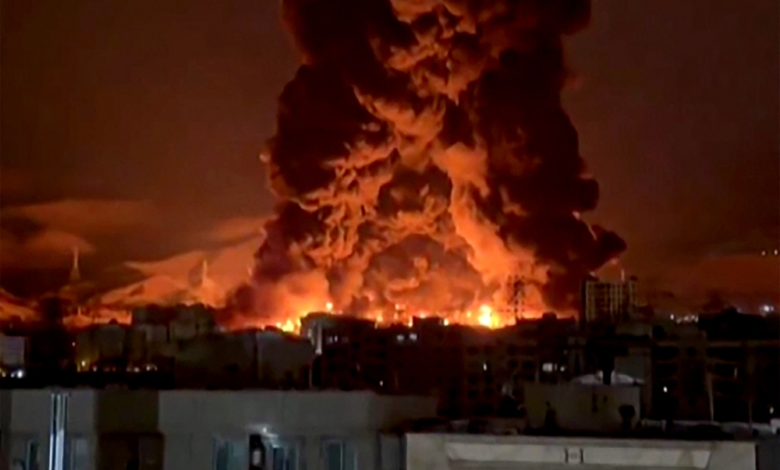
ووفقاً لما نقلته وكالة أنباء الصين الجديدة (شينخوا)، فقد جاءت هذه التصريحات خلال اتصال هاتفي جرى بناءً على طلب من الجانب الروسي. وأكد وانغ يي خلال المكالمة أن على الصين وروسيا التمسك بالإنصاف والعدالة في القضايا المبدئية الكبرى على الساحة الدولية. وأضاف الوزير الصيني أن الوضع في الشرق الأوسط لا يزال يتدهور بشكل مقلق، مع تصاعد وتيرة القتال والتوترات، مجدداً دعوة بلاده الملحة إلى ضرورة الوقف الفوري لإطلاق النار، خاصة في ظل الأحداث المتسارعة والضربات المتبادلة التي شهدتها المنطقة مؤخراً.
السياق العام والخلفية التاريخية للتعاون الصيني الروسي
ترتبط بكين وموسكو بعلاقات استراتيجية، اقتصادية، وسياسية وثيقة للغاية. وقد تعززت هذه الروابط بشكل غير مسبوق منذ اندلاع الحرب الروسية الأوكرانية في أوائل عام 2022، حيث أعلنت الدولتان عن شراكة استراتيجية عميقة. وتاريخياً، غالباً ما تنسق الدولتان مواقفهما في السياسة الخارجية لمواجهة ما تعتبرانه هيمنة أحادية القطب. وفيما يخص الشرق الأوسط، تسعى كل من الصين وروسيا إلى تقديم نفسيهما كأطراف فاعلة ووسطاء سلام، يعتمدان على الدبلوماسية المتعددة الأطراف واحترام سيادة الدول، سعياً لإيجاد توازن جيوسياسي جديد في المنطقة.
أهمية الحدث وتأثيره المتوقع على الساحة الدولية
تبرز أهمية هذا التنسيق الثنائي من خلال دور البلدين كعضوين دائمين يمتلكان حق النقض (الفيتو) في مجلس الأمن الدولي. وفي هذا السياق، شدد وانغ يي على أن الصين مستعدة لمواصلة التعاون الوثيق مع روسيا داخل أروقة مجلس الأمن، والتواصل بشكل مستمر بشأن القضايا الكبرى. إن توحيد الجهود الروسية الصينية من شأنه أن يؤثر بشكل كبير على القرارات الأممية المتعلقة بالشرق الأوسط، ويدفع باتجاه حلول سياسية تضمن الاستقرار.
على الصعيد الإقليمي، يمتلك كلا البلدين مصالح حيوية في الشرق الأوسط. فالصين تعتمد بشكل كبير على واردات الطاقة من دول المنطقة وتعتبرها محطة رئيسية في مبادرة “الحزام والطريق” الاقتصادية. من جهتها، تمتلك روسيا تواجداً استراتيجياً وعلاقات قوية مع أطراف فاعلة إقليمياً، بالإضافة إلى تنسيقها في أسواق الطاقة العالمية. لذلك، فإن أي جهود لخفض التصعيد والحفاظ على السلام والاستقرار الإقليميين والأمن العالمي لا تخدم فقط مصالح دول المنطقة وشعوبها، بل تحمي أيضاً المصالح الاستراتيجية والاقتصادية طويلة الأمد لكل من بكين وموسكو.