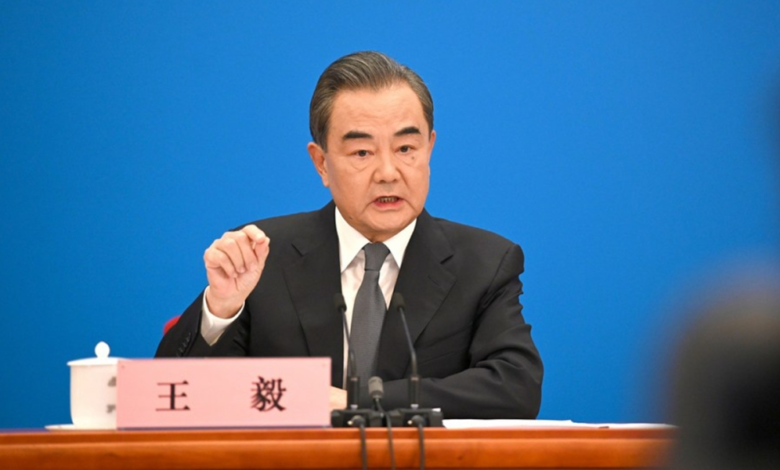

الصين تشدد على أهمية الهدنة في الشرق الأوسط وسط التوترات الأمريكية الإيرانية
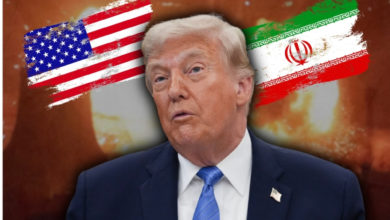
في ظل التطورات الجيوسياسية المتسارعة التي يشهدها العالم، أكد وزير الخارجية الصيني وانغ يي، خلال اتصال هاتفي استراتيجي مع نظيره الباكستاني إسحق دار، أن الحفاظ على الهدنة في الشرق الأوسط، وتحديداً وقف إطلاق النار بين الولايات المتحدة الأمريكية وإيران، يمثل الأولوية القصوى للمجتمع الدولي في الوقت الراهن. جاءت هذه التصريحات الدبلوماسية الهامة في أعقاب تعثر المحادثات المباشرة التي استضافتها العاصمة الباكستانية إسلام آباد، مما ينذر بتداعيات خطيرة على الاستقرار الإقليمي والعالمي.
السياق التاريخي للتوترات وتنامي الدور الصيني
تضرب التوترات بين واشنطن وطهران بجذورها في عقود من الصراعات السياسية والاقتصادية، والتي تخللتها عقوبات اقتصادية صارمة ومواجهات غير مباشرة في عدة ساحات شرق أوسطية. وفي هذا السياق المعقد، تبرز الصين كلاعب دبلوماسي رئيسي، متجاوزة دورها التقليدي كشريك اقتصادي لتصبح وسيطاً موثوقاً للسلام. وقد تجلى هذا الدور بوضوح في نجاح بكين مؤخراً في رعاية اتفاقيات تاريخية في المنطقة. وأوضح بيان صادر عن وزارة الخارجية الصينية أن وانغ يي شدد لنظيره الباكستاني على ضرورة بذل كل الجهود الممكنة لمنع استئناف الأعمال العدائية، مؤكداً أن مسار وقف إطلاق النار تحقق بصعوبة بالغة ويجب حمايته. كما أشار إلى إمكانية الاستفادة من “مبادرة السلام الصينية الباكستانية” التي أُعلن عنها الشهر الماضي في بكين كخارطة طريق لتسوية النزاع.
الموقف الباكستاني وجهود الوساطة المستمرة
تلعب باكستان دوراً محورياً في هذه الأزمة نظراً لموقعها الجغرافي الاستراتيجي كدولة جارة لإيران وحليف وثيق للصين. وفي هذا الصدد، طمأن رئيس الوزراء الباكستاني شهباز شريف المجتمع الدولي يوم الاثنين، مؤكداً أن الهدنة لا تزال صامدة حتى اللحظة. وأشار شريف إلى أن هناك جهوداً دبلوماسية مكثفة تُبذل على أعلى المستويات لحل القضايا العالقة ومنع انزلاق المنطقة نحو تصعيد عسكري لا تُحمد عقباه.
أهمية مضيق هرمز وحرية الملاحة الدولية
على الصعيد الدولي، يراقب العالم بقلق بالغ التطورات في الممرات المائية الاستراتيجية. فقد دعا الأمين العام للأمم المتحدة، أنطونيو غوتيريش، جميع الأطراف المعنية إلى الالتزام الصارم باحترام حرية الملاحة في مضيق هرمز. وأكد المتحدث باسمه، ستيفان دوجاريك، أن غوتيريش يشدد على ضرورة التزام جميع أطراف النزاع بالقانون الدولي لضمان تدفق التجارة العالمية. يُذكر أن مضيق هرمز يُعد أحد أهم الشرايين الحيوية للاقتصاد العالمي، حيث يمر عبره خُمس إنتاج النفط العالمي، وأي تعطيل للملاحة فيه سيؤدي إلى صدمات اقتصادية عنيفة تطال أسواق الطاقة العالمية.
تداعيات الحصار البحري والتأثير المتوقع
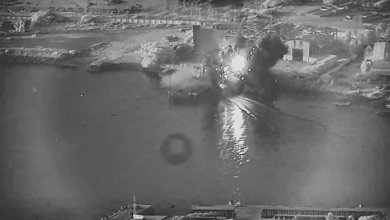
تأتي هذه التحركات الدبلوماسية المكثفة في وقت حرج، خاصة بعد إعلان الإدارة الأمريكية برئاسة دونالد ترامب، إثر فشل محادثات إسلام آباد، عن فرض حصار بحري صارم على السفن المتجهة إلى الموانئ والمناطق الساحلية الإيرانية أو المغادرة منها. هذا القرار، الذي دخل حيز التنفيذ الفعلي يوم الاثنين عند الساعة 14:00 بتوقيت جرينتش، يفرض تحديات هائلة على سلاسل الإمداد ويزيد من تعقيد المشهد. إن التأثير المتوقع لهذا التصعيد لن يقتصر على الداخل الإيراني فحسب، بل سيمتد ليشمل دول الجوار الإقليمي، مما يضع الاقتصاد العالمي أمام اختبار حقيقي ويجعل من نجاح المبادرات الصينية والباكستانية ضرورة ملحة لتجنب كارثة إقليمية شاملة.