
في خطوة دبلوماسية لافتة تعكس تحولاً استراتيجياً في مسار العلاقات الدولية، أعلنت الصين رسمياً عزمها إعفاء مواطني المملكة المتحدة وكندا من متطلبات الحصول على تأشيرة دخول لزيارة أراضيها، وذلك اعتباراً من يوم غد الثلاثاء 17 فبراير. ويأتي هذا القرار في توقيت حساس يشهد إعادة تشكيل للتحالفات العالمية، ومحاولات حثيثة من بكين لكسر الجمود الدبلوماسي مع القوى الغربية الكبرى.
تفاصيل القرار وشروط الإعفاء
أوضحت وزارة الخارجية الصينية في بيانها الرسمي أن هذا الإعفاء يشمل حملة جوازات السفر العادية من البلدين، حيث سيتمكنون من دخول الصين دون الحاجة لاستخراج تأشيرة مسبقة. وتتيح هذه الخطوة للمسافرين البقاء لمدة تصل إلى 30 يوماً، سواء كان الغرض من الزيارة إنجاز الأعمال التجارية، السياحة، زيارة الأقارب والأصدقاء، أو حتى التبادل الثقافي والعبور (الترانزيت). وأشارت الوزارة إلى أن هذا الإجراء التجريبي سيظل سارياً حتى 31 ديسمبر، واضعة إياه في سياق "تسهيل إضافي للتبادلات بين الشعوب".
السياق السياسي: تقارب في ظل التوترات العالمية
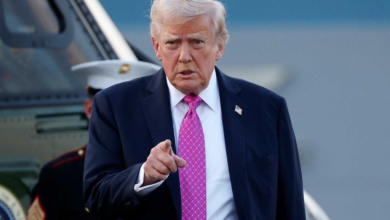
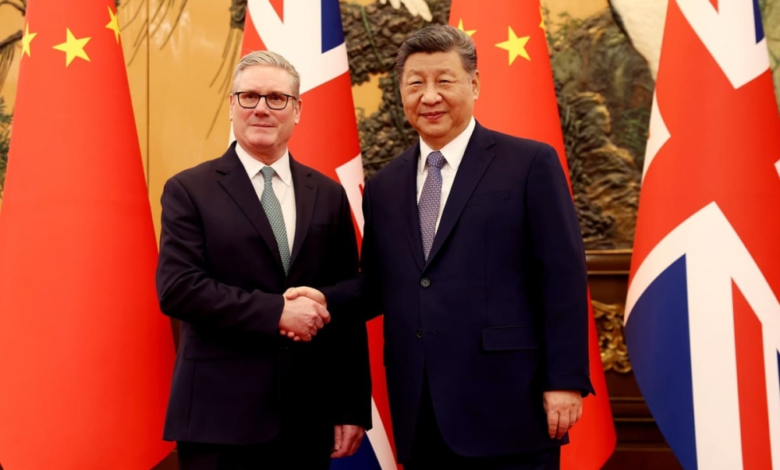
لا يمكن قراءة هذا القرار بمعزل عن المشهد الجيوسياسي المعقد حالياً. فقد جاء الإعلان عقب زيارات رفيعة المستوى قام بها كل من رئيس الوزراء البريطاني كير ستارمر والمسؤول الكندي مارك كارني إلى بكين في يناير الماضي. ويرى مراقبون أن هذه الخطوة تمثل "غصن زيتون" تقدمه الصين لشركاء الولايات المتحدة التقليديين، في ظل حالة عدم اليقين والتقلب التي تشهدها السياسة الأمريكية في عهد دونالد ترامب. وتسعى بكين من خلال هذه التسهيلات إلى تحييد الخلافات السياسية السابقة والتركيز على المصالح الاقتصادية المشتركة.
وكان الرئيس الأمريكي دونالد ترامب قد وجه تحذيرات صريحة في أواخر يناير الماضي، واصفاً تعامل بريطانيا مع الصين بالأمر "الخطير جداً"، ومبدياً انزعاجاً أكبر من احتمالية تعميق كندا لعلاقاتها التجارية مع التنين الصيني. هذا الضغط الأمريكي يضع لندن وأوتاوا في موقف دقيق يتطلب الموازنة بين التحالف الأطلسي والمصالح الاقتصادية مع ثاني أكبر اقتصاد في العالم.
انفراجة دبلوماسية مع كندا
على الصعيد الكندي، يبدو أن العلاقات تتجه نحو ذوبان الجليد المتراكم منذ سنوات. ففي سياق متصل، أكد وزير الخارجية الصيني وانغ يي، خلال لقائه بنظيرته الكندية أنيتا أناند على هامش مؤتمر ميونيخ للأمن، استعداد بلاده لتعزيز العلاقات بعيداً عن أي تدخلات خارجية. وأكد وانغ أن الصين منفتحة للعمل على إزالة العوائق وإعادة إطلاق التعاون في مجالات مختلفة.
ويأتي هذا التصريح معززاً بخطوات عملية، حيث أكدت أوتاوا في وقت سابق من شهر فبراير أن الصين ألغت حكم إعدام كان صادراً بحق مواطن كندي، وهو ما اعتبرته الأوساط الدبلوماسية مؤشراً قوياً وحسن نية من الجانب الصيني لطي صفحة الخلافات التي شابت العلاقات الدبلوماسية خلال الأعوام الماضية، والبدء بمرحلة جديدة قوامها التعاون الاقتصادي وتسهيل حركة الأفراد.
الأهمية الاقتصادية للقرار
من الناحية الاقتصادية، يعد تسهيل السفر خطوة حيوية لإنعاش التبادل التجاري والسياحي. فبعد سنوات من القيود الصارمة، تحتاج الصين إلى جذب الاستثمارات الأجنبية ورجال الأعمال الغربيين لتعزيز نموها الاقتصادي. بالنسبة لبريطانيا وكندا، يفتح هذا القرار الباب أمام الشركات لاستكشاف الفرص في السوق الصينية الضخمة بمرونة أكبر، مما قد يسهم في تنويع الشراكات الاقتصادية وتقليل الاعتماد الحصري على أسواق محددة.