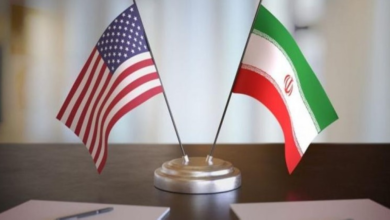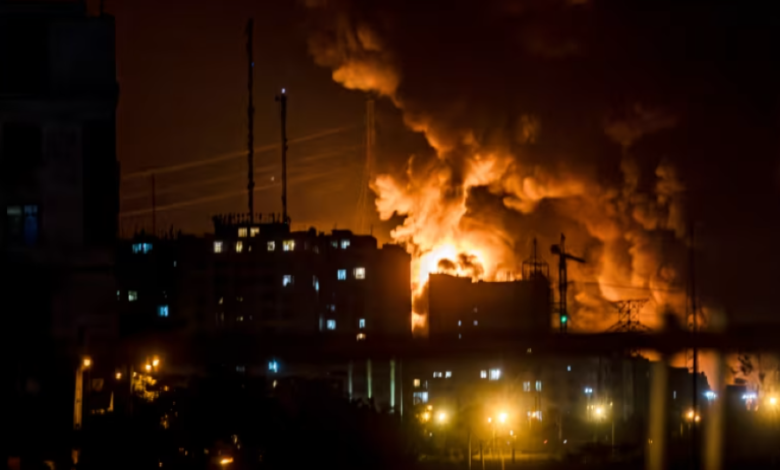
China issued a strongly worded warning to the international community and the United States against sliding into a "military adventure" in the Middle East, specifically concerning the Iranian issue. This warning came at a critical juncture marked by an unprecedented escalation in hostile rhetoric between Washington and Tehran. The Chinese stance coincided with explicit threats from US President Donald Trump, who brandished the possibility of using military force against Iran. Iran, in turn, vowed a decisive and devastating response to any attack on its sovereignty.
In his address to the UN Security Council, China's ambassador to the United Nations, Fu Cong, reaffirmed his country's unwavering opposition to military solutions, emphasizing that "the use of force cannot resolve the complex problems in the region." The Chinese diplomat added that any ill-considered military action or "military adventure" would not achieve its objectives but would inevitably plunge the entire Middle East into "the abyss of the unknown," foreshadowing catastrophic consequences of unpredictable severity.
Context of tension and historical background
The Chinese warning cannot be viewed in isolation from the tense historical and geopolitical context between the United States and Iran. Since Washington’s unilateral withdrawal from the nuclear agreement (the Joint Comprehensive Plan of Action) in 2018, tensions have escalated dramatically, with the United States imposing crippling economic sanctions as part of its “maximum pressure” campaign. In response, Tehran has continued to develop its nuclear program and expand its regional influence, keeping the region on edge, amid constant fears of a direct confrontation that could ignite a wider regional war.
Strategic dimensions of the Chinese position
China’s stance against military escalation reflects Beijing’s growing strategic interests in the Middle East. As the world’s largest oil importer, China is heavily reliant on energy supplies from the Persian Gulf, and any disruption to the Strait of Hormuz or Iranian and Gulf oil facilities would directly threaten Chinese energy security. Furthermore, Beijing and Tehran are bound by a 25-year comprehensive strategic cooperation agreement, making Iran’s stability a key component of China’s national interests and its global Belt and Road Initiative.
Regional and international impacts of the event
This escalation and its potential repercussions carry grave risks that extend beyond regional boundaries. Internationally, any military action could lead to a massive surge in global oil prices, exacerbating inflation and further damaging the already fragile global economy. Regionally, the outbreak of armed conflict could draw other countries into the fray, jeopardizing recent diplomatic gains, including the Saudi-Iranian rapprochement brokered by China itself, and undermining efforts to de-escalate tensions in other conflicts such as Yemen, Syria, and Lebanon. Therefore, China's call for dialogue and diplomacy serves as a clear message emphasizing the need to prioritize these approaches to avert catastrophic scenarios.