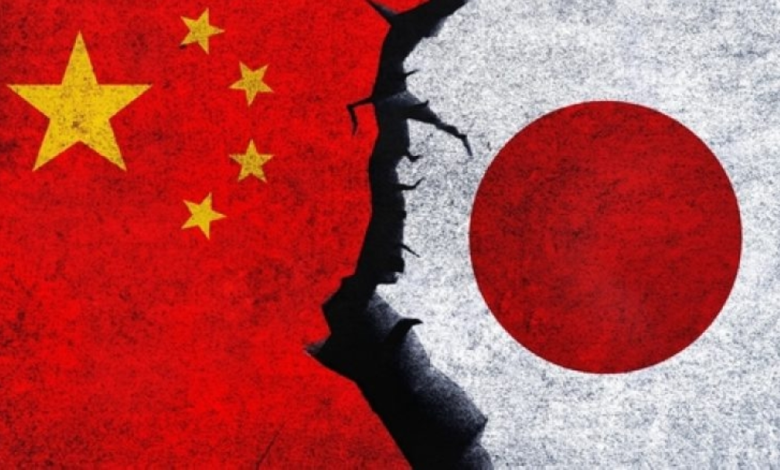

In a move reflecting the depth of the diplomatic crisis between the two Asian powers, the Chinese Foreign Ministry issued a strongly worded warning to its citizens, advising them to avoid travel to Japan in the coming period, particularly with the approach of the Lunar New Year holiday in February, which is the peak season for Chinese outbound tourism. While the warning cited deteriorating security conditions and natural hazards, observers directly link it to escalating geopolitical tensions.
Background to the tension: Taiwan, the flashpoint
The current consular warning cannot be separated from the tense political context dominating relations between Beijing and Tokyo. The roots of the current crisis lie in controversial statements made by Japan's conservative Prime Minister, Sanae Takaichi, last November, in which she explicitly hinted at the possibility of Japanese military intervention should Taiwan be attacked. Beijing considered these statements a crossing of red lines and a violation of the "One China" principle, prompting it to respond with economic and diplomatic pressure, including targeting tourism.
Economic repercussions: A blow to Japan's tourism sector
Chinese tourism is a lifeline for Japan's hospitality sector. According to official figures, approximately 7.5 million Chinese tourists visited Japan in the first nine months of 2025, representing a quarter of all foreign visitors. Chinese warnings have already had a tangible impact, with visitor numbers plummeting by 45% last month compared to the same period last year. This decline threatens to cost the Japanese economy billions of dollars, particularly in the aviation, hotel, and retail sectors, which rely heavily on the purchasing power of Chinese tourists.
Official justifications: security and earthquakes
On the official level, the Chinese Foreign Ministry's Consular Affairs Department based its warning on what it described as a "deteriorating public security situation" in Japan, citing recent criminal acts targeting Chinese citizens. The statement also highlighted natural disasters, specifically mentioning the series of earthquakes that struck parts of Japan and caused injuries, deeming these factors "serious threats" to the safety of travelers.
The future of relations in East Asia
Analysts believe that Beijing's use of tourism as leverage reflects a shift in conflict management, with tensions moving from diplomatic channels to direct economic impact. This escalation puts the stability of East Asia at risk, as the frozen relations between the region's two largest economies complicate supply chains and regional cooperation, potentially leading to a prolonged period of diplomatic stalemate unless the contentious issue of Taiwan is resolved.