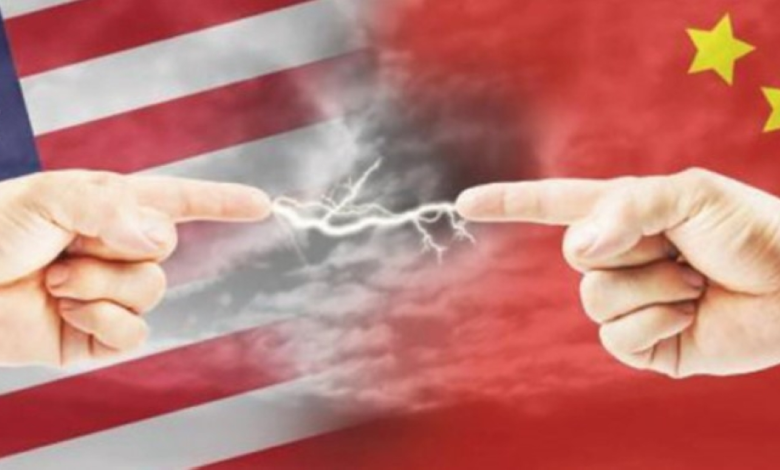

في تصعيد جديد للهجة الدبلوماسية بين القوتين العظميين، أطلق وزير الخارجية الصيني، وانغ يي، تحذيرات شديدة اللهجة للولايات المتحدة الأمريكية، مؤكداً أن أي محاولات لتشجيع "استقلال تايوان" أو فصل الجزيرة عن البر الرئيسي للصين ستؤدي بلا شك إلى مواجهة مباشرة بين البلدين. جاء ذلك خلال كلمة ألقاها في مؤتمر ميونيخ للأمن، حيث سلط الضوء على الخطوط الحمراء التي تضعها بكين في تعاملاتها الدولية.
تحذير من "المؤامرة الأمريكية"
أوضح وانغ يي أن واشنطن إذا ما استمرت في مسار "فك الارتباط" ومحاولة تشكيل تحالفات تستهدف بكين، فإنها بذلك تتجاوز الحدود المسموح بها. وأشار الوزير الصيني إلى أن دعم القوى الانفصالية في تايوان لا يعتبر منافسة سياسية، بل هو "تآمر" يهدف لتقسيم الصين، وهو ما لن تقف أمامه بكين مكتوفة الأيدي. وأضاف أن هذا المسار سيقود العلاقات الثنائية نحو منزلق خطير قد ينتهي بصراع عسكري مفتوح، وهو سيناريو يحاول العالم تجنبه نظراً لتداعياته الكارثية.
السياق التاريخي والأهمية الاستراتيجية
لفهم عمق هذا التوتر، يجب النظر إلى الخلفية التاريخية للصراع؛ حيث تعتبر الصين تايوان جزءاً لا يتجزأ من أراضيها بموجب مبدأ "الصين الواحدة"، وهو المبدأ الذي تصر بكين على أن تحترمه جميع الدول التي تقيم علاقات دبلوماسية معها. في المقابل، تحافظ الولايات المتحدة على علاقات غير رسمية قوية مع تايوان وتزودها بالأسلحة بموجب "قانون العلاقات مع تايوان"، مما يثير حفيظة بكين بشكل دائم. وتكتسب تايوان أهمية استراتيجية قصوى ليس فقط لموقعها الجغرافي في سلسلة الجزر الأولى بالمحيط الهادئ، بل لكونها مركزاً عالمياً لصناعة أشباه الموصلات، مما يجعل أي صراع حولها تهديداً مباشراً للاقتصاد العالمي.
انتقادات لاذعة لليابان
لم يقتصر الهجوم الدبلوماسي الصيني على واشنطن فحسب، بل امتد ليشمل اليابان. فقد انتقد وانغ يي بشدة التصريحات الصادرة عن مسؤولين يابانيين المحت إلى إمكانية التدخل العسكري في حال تعرض تايوان لهجوم. واعتبر الوزير الصيني أن اليابان لم تتخلص بعد من "أشباح النزعة العسكرية" التي سادت في ثلاثينيات وأربعينيات القرن الماضي، محذراً طوكيو من مغبة تكرار أخطاء الماضي. وأكد أن أي تدخل ياباني في الشأن التايواني سيواجه برد فعل حاسم وأكثر إيلاماً من الهزائم السابقة.
موقف تايوان ومستقبل المنطقة
من جانبها، ترفض القيادة التايوانية اعتبار الجزيرة "ورقة مساومة" بين القوى الكبرى، مؤكدة على حق سكانها في تقرير مصيرهم. إلا أن بكين تصر على أن "إعادة التوحيد" هو هدف حتمي لا رجعة فيه، ولو تطلب الأمر استخدام القوة العسكرية. هذا التجاذب يضع منطقة شرق آسيا والمحيط الهادئ على صفيح ساخن، حيث يراقب المجتمع الدولي بقلق بالغ أي تحركات قد تؤدي إلى الإخلال بالتوازن الأمني الهش في المنطقة.