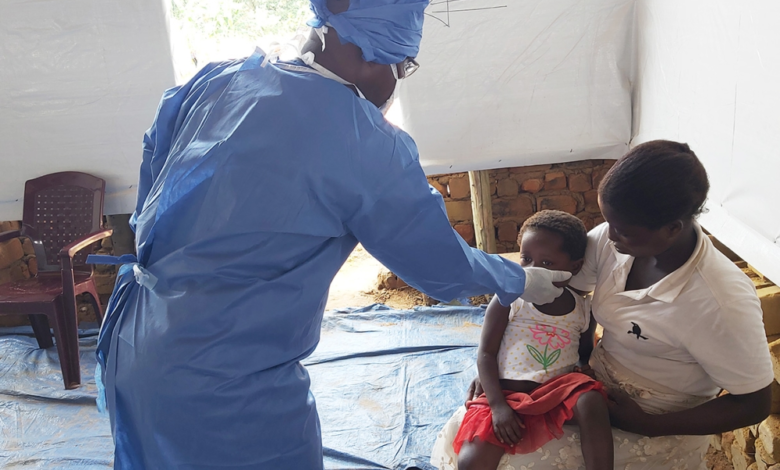

In a worrying health development that threatens to worsen the humanitarian situation in the Great Lakes region, health authorities in Burundi have announced a new cholera outbreak in one of the country's overcrowded refugee camps in the east. Medical teams have recorded 34 confirmed cases of cholera, in addition to at least one death, in the Busoma refugee camp in Bohomosa province.
Details of the epidemiological situation in Busoma camp
The Burundian state broadcaster confirmed that the cases were detected during a field visit organized by local authorities in collaboration with the National Office for the Protection of Refugees and Stateless Persons. The Busoma camp, located in the Kayungozi district, is one of the hotspots hosting large numbers of people fleeing conflict, currently housing more than 21,000 refugees, the vast majority of whom come from the neighboring Democratic Republic of Congo.
In a statement reflecting the gravity of the situation, Viacre Nkonzimana, representative of the National Office for Refugee Protection, explained that the situation inside the camp requires urgent intervention. He pointed out that the refugees are suffering from a severe shortage of basic necessities that could prevent the spread of disease, most importantly clean drinking water, adequate shelter to prevent overcrowding, as well as food and medicine necessary to treat those infected and prevent further transmission.
Regional context: displacement crisis and health challenges
This outbreak cannot be separated from the turbulent security and political context in the region. The Democratic Republic of Congo, from which most of the camp's residents originate, has been experiencing violent armed conflict in its eastern provinces for years, forcing hundreds of thousands to flee to neighboring countries such as Burundi, Rwanda, and Uganda. This massive influx of people is placing unprecedented pressure on the already strained health infrastructure of the host countries.
Burundian authorities had previously appealed to the international community for urgent aid to assist more than 70,000 people who have recently arrived from the Democratic Republic of Congo since December 5, fleeing escalating violence. Overcrowding in refugee camps creates a breeding ground for waterborne diseases such as cholera, particularly given the lack of effective sanitation and safe water sources.
Cholera risks and expected impact
Cholera is an acute diarrheal infection caused by consuming food or water contaminated with the cholera bacterium. While the disease is easily treatable if detected early, it can be fatal within hours if left untreated, especially given the malnutrition often experienced by refugees.
Health officials fear that this limited outbreak could lead to a widespread epidemic if not contained immediately, especially as the region is experiencing a rainy season that could contaminate surface water sources. Humanitarian organizations are currently intensifying awareness campaigns and distributing hygiene kits and chlorine tablets for water purification in an effort to contain the disease before it spreads to host communities outside the camp.