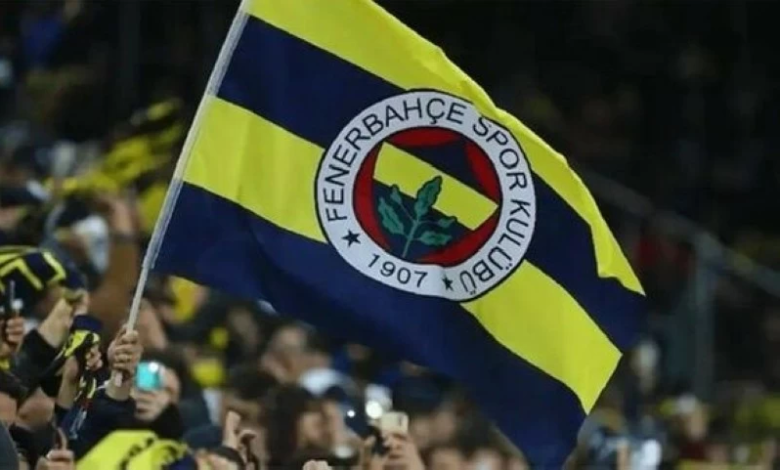

UEFA has dealt a significant blow to Fenerbahçe's ambitions regarding its visual identity, issuing an official ruling prohibiting the Turkish club from displaying five stars above its crest in European competitions. This decisive decision reaffirms UEFA's commitment to the official regulations adopted by national federations, deeming the number of officially recognized titles won by the club insufficient to justify the addition of a fifth star.
Background to the decision and the absence of an official document
UEFA based its decision on the absence of any official document from the Turkish Football Federation confirming Fenerbahçe's right to have its five-star logo suspended. The club had been preparing to play its European matches wearing jerseys bearing the modified logo, but the European rejection forced the management to backtrack and redesign the jerseys to comply with current regulations, thus avoiding any potential disciplinary sanctions against the team.
The roots of the conflict: The issue of pre-1959 heroism
This incident is not merely a minor administrative matter, but rather the latest chapter in Fenerbahçe's long-standing struggle to have its past titles officially recognized. According to the system in place in Turkey, a club is awarded one gold star for every five league titles. According to the official records of the Turkish Super League (Süper Lig), which began its professional format in 1959, Fenerbahçe has 19 titles, entitling it to only three stars, leaving it just one title away from a fourth.
In contrast, the club, its management, and its fans insist that the club's history does not begin in 1959, demanding that the nine national championships the team won between 1924 and 1951 (under the old national championship system) be counted. If these titles were included, Fenerbahçe's tally would jump to 28 championships, giving them the rightful claim to a five-star rating, surpassing their traditional rival Galatasaray, who currently hold four stars.
Local influence and fierce competition
This issue is generating considerable controversy in Turkish sporting circles. Fenerbahçe supporters consider it a blatant injustice and a disregard for the club's rich history, while rivals and the local federation argue that standardizing criteria requires basing the league on the start date of the professional season. This decision comes at a sensitive time for the team, which currently sits second in the standings, just three points behind the leader. The club is striving to focus on its performance on the pitch to secure its long-awaited 20th (official) title, which would unequivocally earn it its fourth star.