The Crown Prince congratulates the Czech Prime Minister on the formation of the new government

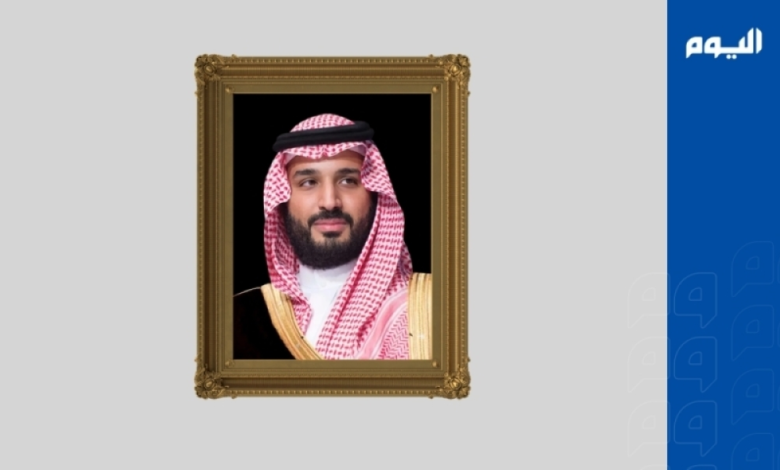
His Royal Highness Prince Mohammed bin Salman bin Abdulaziz Al Saud, Crown Prince and Prime Minister - may God protect him - sent a congratulatory cable to Mr. Andrej Babiš, Prime Minister of the Czech Republic, on the occasion of his success in forming the new government and gaining the confidence of Parliament in his country, in a step that reflects the continuation of the democratic path and political stability in the friendly republic.
In his message, His Royal Highness the Crown Prince expressed his sincerest congratulations and best wishes for success to His Excellency in his new role, and for continued progress, prosperity, and advancement for the friendly people of the Czech Republic. This gracious message of congratulations is in line with the high diplomatic protocols that the Kingdom of Saudi Arabia upholds in its ongoing communication with the leaders of friendly nations, thereby strengthening the bonds of cooperation and mutual respect that unite the Kingdom with the international community.
Dimensions of Saudi-Czech relations
This congratulatory message holds particular significance given the growing relations between the Kingdom of Saudi Arabia and the Czech Republic, two countries bound by decades of friendship and cooperation. Bilateral relations are witnessing remarkable development across various vital sectors, particularly in the economic and tourism spheres. The Czech Republic is a key partner in Central Europe and is renowned globally for its healthcare sector and spas, attracting numerous visitors from the region, thus fostering people-to-people connections alongside official ties.
Strengthening partnerships in light of Vision 2030
The Crown Prince's keenness to congratulate international leaders immediately upon assuming their duties or forming their governments reflects the Kingdom's unwavering commitment to its diplomatic approach, which is based on building bridges of communication and strengthening effective international partnerships. Through the Saudi Vision 2030 programs, the Kingdom seeks to consolidate its relations with all European Union countries, including the Czech Republic, to open new horizons for investment cooperation and trade exchange, and to transfer expertise in industrial and technological fields in a way that serves the common interests of the two friendly nations.
The importance of political stability and government formation
The formation of the new government and its gaining the confidence of parliament is a pivotal moment in the Czech Republic's political system, paving the way for the implementation of development and economic policies. The Kingdom of Saudi Arabia views these steps, which enhance stability in Europe, with appreciation, as Saudi diplomacy believes that the stability and prosperity of nations positively impacts international peace and security and the global economy.
In conclusion, this cable affirms the continuation of the steadfast Saudi approach in supporting global stability and prosperity, and the keenness of the wise leadership - may God support it - to share in the important national and political occasions of friendly countries, wishing the new Czech government success in achieving the aspirations of its people towards a bright future.