
جهود مكثفة لضمان سلامة ضيوف الرحمن
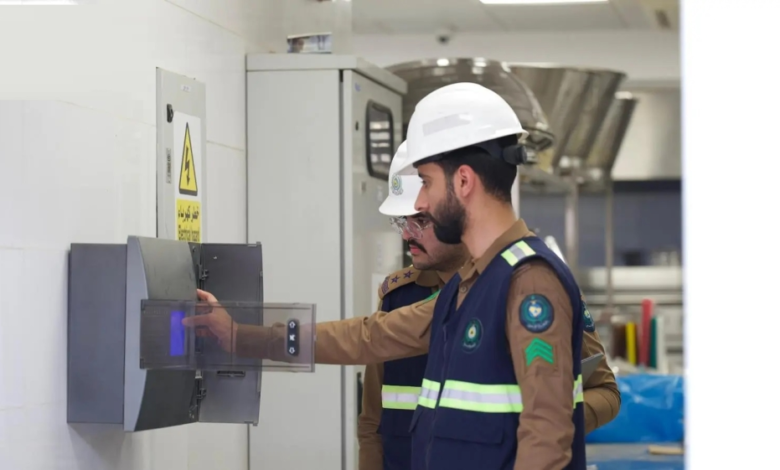
في إطار سعيها الدائم لتوفير أقصى درجات الأمن والسلامة لضيوف الرحمن، كثفت قوات الدفاع المدني في مزدلفة أعمالها الميدانية وجولاتها الرقابية خلال موسم الحج. تأتي هذه الخطوة الاستراتيجية ضمن الخطط الشاملة التي تتبناها المملكة العربية السعودية لتأمين سلامة الحجاج وتسهيل أدائهم لمناسكهم بكل يسر وطمأنينة، مما يعكس الجاهزية العالية للتعامل مع الكثافة البشرية الهائلة.
السياق التاريخي والأهمية الدينية لمشعر مزدلفة
يعد مشعر مزدلفة ثالث المشاعر المقدسة التي يمر بها الحجاج خلال رحلتهم الإيمانية، حيث يفيضون إليه بعد وقوفهم على صعيد عرفات الطاهر. تاريخياً، شكلت إدارة الحشود في هذه المنطقة تحدياً كبيراً نظراً لتوافد ملايين الحجاج في وقت واحد وفي مساحة جغرافية محدودة خلال ساعات الليل لجمع الجمرات والمبيت. ومن هنا، تبرز الأهمية القصوى لتواجد قوات الدفاع المدني وتكثيف جولاتها الاستباقية لضمان انسيابية الحركة، ومنع التدافع، وتلافي أي حوادث قد تعكر صفو هذه الشعيرة العظيمة.
تفاصيل الأعمال الميدانية والتقنيات الحديثة
نفذت قوات الدفاع المدني بالحج سلسلة من الجولات الرقابية الدقيقة التي شملت تفقد المخيمات، ومسارات المشاة، ومقرات إقامة الحجاج. كما عملت على دعم أعمال الإسناد الميداني، ومتابعة جاهزية المراكز والوحدات والفرق الميدانية المنتشرة في كافة أرجاء المشعر. وتهدف هذه الإجراءات الصارمة إلى تعزيز سرعة الاستجابة وكفاءة الأداء في التعامل مع أي حالات طارئة قد تحدث.
ولم تقتصر الجهود على التواجد البشري فحسب، بل وظفت القوات أحدث التقنيات العالمية في أعمال الرصد والحماية الميدانية. شمل ذلك استخدام أنظمة المراقبة الذكية، وتحليل البيانات، وتقنيات الاستشعار عن بعد بالتنسيق المستمر مع كافة الجهات الحكومية والأمنية ذات العلاقة. هذا التكامل التقني والبشري يضمن رصد المخاطر المحتملة قبل وقوعها والتعامل معها باحترافية عالية.
التأثير المحلي والإقليمي والدولي
على المستوى المحلي، تعكس هذه الجهود الجبارة قدرة المملكة العربية السعودية الفائقة على إدارة الحشود وتنظيم الفعاليات المليونية، مما يعزز من مكانتها الرائدة عالمياً في هذا المجال، ويساهم في رفع مستوى الوعي الوقائي بين العاملين في خدمة الحجاج.
أما على المستوى الإقليمي والدولي، فإن نجاح خطط الدفاع المدني يبعث برسائل طمأنينة لملايين المسلمين حول العالم ولعائلات الحجاج في بلدانهم الأصلية. إن توفير بيئة آمنة لأداء المناسك يعزز من الصورة الذهنية الإيجابية للمملكة كراعية للحرمين الشريفين، ويقدم نموذجاً عالمياً يُحتذى به في إدارة الأزمات وتأمين التجمعات البشرية الضخمة.
خلاصة الجهود
في الختام، تستمر المديرية العامة للدفاع المدني في تسخير كافة إمكاناتها البشرية والآلية والتقنية لخدمة حجاج بيت الله الحرام. إن التواجد الفعال والمدروس في مشعر مزدلفة ليس إلا حلقة في سلسلة متصلة من العمل الدؤوب الذي يهدف إلى تحقيق غاية سامية، وهي عودة الحجاج إلى ديارهم سالمين غانمين بعد أداء فريضة الحج في بيئة تحفها العناية والرعاية من كل جانب.