
UN warns of unprecedented energy crisis
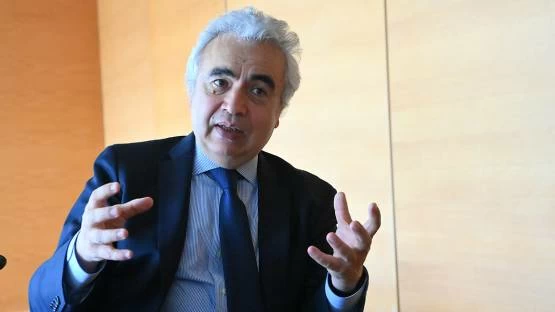
Fatih Birol, the executive director of the International Energy Agency, issued a stark warning about the future of global energy security, asserting that the resumption of oil and natural gas supplies from the Arabian Gulf region could take at least six months. Birol indicated that the world is now facing the most severe energy crisis in modern history, surpassing in its severity previous crises that have shaken the global economy.
In an interview with the Financial Times, Birol explained that the military conflicts and wars raging in the Middle East pose the greatest and most serious threat to global energy security at present. He emphasized that restoring normal oil and gas flows will take a long time due to the extensive damage inflicted on critical energy infrastructure. He added, "Some critical energy facilities will take at least six months to resume operations, while others will require much longer to rebuild and rehabilitate.".
General context and historical background of the event
These dangerous developments come at a time when global markets are almost entirely dependent on energy supplies from the Middle East. Historically, the Arabian Gulf region has been the lifeblood of the global economy, with roughly one-fifth of global oil consumption passing through the Strait of Hormuz alone. This crisis is reminiscent of the first oil shock of 1973, which led to the establishment of the International Energy Agency in 1974 to guarantee security of supply. However, according to experts, the current crisis surpasses the 1970s crisis due to the simultaneous disruption of both oil and natural gas supplies, and within an interconnected global economy already grappling with high inflation and complex supply chain challenges.
The importance of the event and its expected impact (locally, regionally, and internationally)
Internationally, this escalation has disrupted approximately 10% of global oil supplies, threatening a dramatic surge in fuel prices and shipping costs. This will immediately translate into an inflationary wave impacting major economies in Europe, Asia, and the United States, all of which are heavily reliant on energy imports. Regionally, the damage inflicted on vital infrastructure, such as Iran's South Pars gas field and oil facilities in the Gulf states and Israel, imposes enormous economic burdens for reconstruction and exacerbates geopolitical uncertainty, deterring foreign investment. Domestically, these tit-for-tat attacks are disrupting crucial shipping lanes, directly impacting daily trade and the availability of essential goods.
The scale of the disruption and the inadequacy of traditional solutions
In assessing the available solutions, Birol warned that financial markets and political leaders around the world are dangerously underestimating the scale of the current turmoil. He categorically stated that relying solely on supply-side measures, such as drawing on strategic oil reserves, will be utterly insufficient to stabilize panicked markets. The IEA Executive Director called for immediate and decisive government action to reduce global fuel demand and accelerate the transition to alternative energy sources to mitigate this historic crisis that threatens the foundations of the global economy.