
جهود مكثفة لتأمين ضيوف الرحمن في المشاعر المقدسة
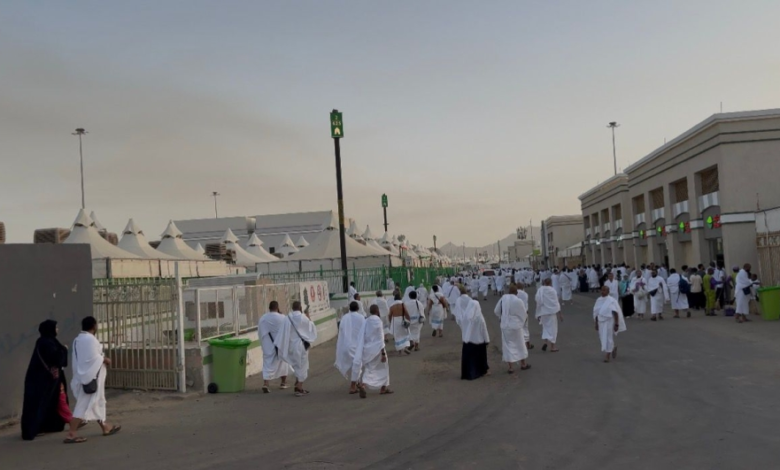
تولي المملكة العربية السعودية اهتماماً بالغاً بسلامة ضيوف الرحمن خلال موسم الحج، حيث تعمل كافة القطاعات الأمنية والخدمية على مدار الساعة لضمان أداء المناسك بكل يسر وسهولة. وفي هذا السياق، دعت قوات الدفاع المدني بالحج القائمين على حملات الحج ومؤسسات الطوافة إلى ضرورة تكثيف التوعية ونشر إرشادات وتعليمات السلامة الوقائية داخل المخيمات بالمشاعر المقدسة، وذلك بهدف الحد من المخاطر المحتملة وضمان بيئة آمنة لجميع الحجاج.
أهم إرشادات الدفاع المدني للحجاج في المخيمات
أكدت المديرية العامة للدفاع المدني على مجموعة من التعليمات الحيوية التي يجب على الحجاج والقائمين على الحملات الالتزام بها، ومن أبرزها:
- معرفة مخارج الطوارئ: التأكيد على أهمية التعرف على مواقع مخارج الطوارئ في المخيمات لضمان الإخلاء السريع والآمن في حال حدوث أي طارئ.
- استخدام طفايات الحريق: التدريب على آلية استخدام طفايات الحريق اليدوية الموزعة في المخيمات للتعامل المبدئي مع أي حريق قبل وصول فرق الإطفاء.
- السلامة الكهربائية: التشديد على تجنب استخدام التوصيلات الكهربائية الرديئة أو غير المطابقة لمعايير السلامة، وتجنب زيادة الأحمال الكهربائية التي قد تؤدي إلى حدوث التماسات خطيرة.
- التواصل مع الطوارئ: دعت القوات إلى عدم التردد في الاتصال بالرقم الموحد (911) عند الحاجة للمساعدة في الحالات الطارئة.
السياق التاريخي لتطور وسائل السلامة في الحج
لم تأتِ هذه الإجراءات الصارمة من فراغ، بل هي نتاج عقود من التطوير المستمر والتخطيط الاستراتيجي. تاريخياً، شهدت المشاعر المقدسة، وتحديداً مشعر منى، تحديات كبيرة تتعلق بحرائق المخيمات التقليدية، كان أبرزها حادثة حريق منى عام 1997. ومنذ ذلك الحين، أحدثت حكومة المملكة العربية السعودية نقلة نوعية وتاريخية من خلال إطلاق “مشروع الخيام المطورة المقاومة للحريق” في مشعر منى. تم تصنيع هذه الخيام من أنسجة زجاجية مغطاة بمادة “التيفلون” المقاومة للاشتعال، وتم تزويدها بشبكات إطفاء آلية متطورة، مما قلص من حوادث الحرائق بشكل شبه كامل، وجعل من مشعر منى أكبر مدينة خيام آمنة في العالم.
الأهمية والتأثير المتوقع لخطط السلامة
إن الالتزام بإرشادات الدفاع المدني لا يقتصر تأثيره على الفرد فحسب، بل يمتد ليشمل أبعاداً محلية وإقليمية ودولية:
- على المستوى المحلي: تساهم هذه الإجراءات في حماية الأرواح والممتلكات، وتسهيل عمل الجهات الأمنية والصحية، مما يعكس كفاءة وقدرة المملكة العالية في إدارة الحشود المليونية في مساحة جغرافية محدودة ووقت زمني قصير.
- على المستوى الإقليمي والدولي: يبعث نجاح خطط السلامة في الحج رسالة طمأنينة إلى كافة الدول الإسلامية حول العالم بأن حجاجهم في أيدٍ أمينة. كما أن التجربة السعودية في إدارة الكوارث وحماية الحشود أصبحت نموذجاً عالمياً يُدرس في المنظمات الدولية المعنية بإدارة الأزمات.
التكامل بين التكنولوجيا والوعي البشري
إلى جانب الإرشادات الميدانية، تعتمد قوات الدفاع المدني اليوم على تقنيات الذكاء الاصطناعي، وكاميرات المراقبة الحرارية، والتحليل المسبق للمخاطر لدعم خططها. ومع ذلك، يبقى وعي الحاج والتزامه بالتعليمات التي تُنشر عبر وسائل الإعلام الرسمية ومنصات التواصل الاجتماعي هو حجر الزاوية في إنجاح هذه الجهود والوصول إلى موسم حج آمن وخالٍ من الحوادث.