
Security alert and urgent warnings from the Civil Defense
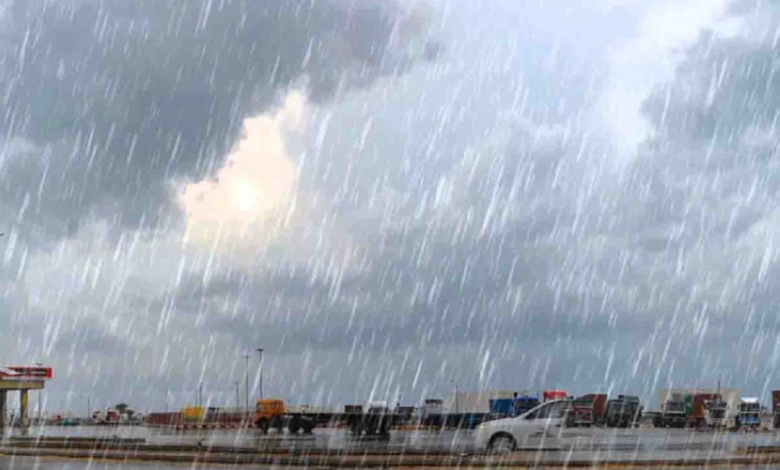
The General Directorate of Civil Defense in Saudi Arabia issued an urgent and strong warning to citizens and residents, urging them to exercise extreme caution in light of expected heavy rainfall across the Kingdom. This warning comes amidst significant weather fluctuations affecting several regions, prompting meteorological authorities to issue a "red alert" to ensure the safety of lives and property.
The Civil Defense warnings covered a wide geographical area encompassing large parts of the Kingdom, including the Northern Borders region, Madinah, Al-Baha, Al-Jawf, Tabuk, Jazan, Makkah, Asir, and Hail. These regions are characterized by their diverse geography, including mountains, valleys, and plains, which means the impact of the rainfall will vary from one area to another, requiring a rapid response and a high level of public awareness.
The climatic and historical context of weather fluctuations in Saudi Arabia
Historically, the Arabian Peninsula is known for its arid desert climate. However, Saudi Arabia experiences periods of atmospheric instability during specific seasons, particularly during seasonal transitions. In recent years, there has been an increase in the frequency and intensity of heavy rainfall, which many meteorologists attribute to global climate change affecting weather patterns in the region. The valleys and wadis in areas such as Mecca, Asir, and Jazan have long been the scene of massive flash floods (sudden torrents) that form rapidly after rainfall in the highlands, making proximity to these areas a serious and potentially life-threatening hazard.
The importance of the event and its expected impact on various levels
Locally, these warnings are crucial for maintaining public safety and minimizing human and material losses. Individuals' adherence to civil defense instructions directly contributes to easing the burden on rescue and emergency teams and ensures the continuity of daily life with minimal disruption. These weather conditions also affect the educational process, with authorities often resorting to remote learning in affected areas to ensure the safety of students.
At the regional and international levels, the Kingdom's efficiency in managing crises and natural disasters reflects the development of its technological infrastructure, particularly its early warning systems and effective coordination between the National Center for Meteorology, Civil Defense, and other government agencies. This advanced model of climate emergency management serves as a significant benchmark in the region, especially given the escalating environmental challenges facing the entire world.
Essential safety guidelines during rainfall
The General Directorate of Civil Defense emphasized a set of vital guidelines that must be followed precisely to ensure safety, most notably:
- Stay completely away from places where water collects and swamps may suddenly form in the streets and squares.
- Avoid crossing valleys and torrent channels, whether on foot or using vehicles, as the force of the water can easily sweep away cars.
- Stay away from dams and low-lying areas that are natural rainwater collection points.
- Follow the continuous updates issued by the National Center for Meteorology and the official Civil Defense accounts on social media platforms to obtain reliable information.
- Stay in safe, enclosed spaces during thunderstorms and heavy rainfall, and avoid using mobile phones in open areas to avoid the risk of lightning strikes.
In conclusion, the responsibility remains shared between the government agencies that provide information and proactive warnings, and the citizen and resident who must be aware and responsible in order to get through these weather conditions in complete safety and security.