Saudi Arabia rejects Israel's recognition of Somaliland and supports Somali unity

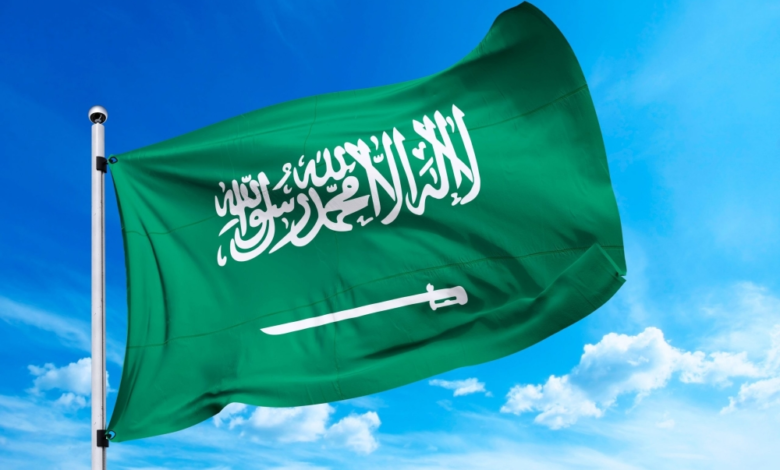
The Saudi Ministry of Foreign Affairs expressed its firm support for the sovereignty of the Federal Republic of Somalia, affirming its complete solidarity with Somalia's unity and territorial integrity in the face of current challenges. This affirmation came in an official statement in which the Kingdom categorically rejected the declaration of mutual recognition between the Israeli occupation authorities and the self-declared "Somaliland," describing this move as a consecration of unilateral separatist actions that contravene the principles of international law and UN resolutions.
The Ministry clarified that the Kingdom views with concern any attempts to impose parallel entities or legitimize secession, which directly contradicts international and regional efforts to maintain stability in the Horn of Africa. The statement emphasized that any dealings with any part of Somali territory must be conducted through the official channels of the legitimate Federal Government in Mogadishu, as it is the sole representative of the Somali people in international forums.
Historical background: The Somaliland crisis
To understand the dimensions of this Saudi position, one must consider the historical context of the region of Somaliland. The region unilaterally declared its independence from the Republic of Somalia in 1991 following the collapse of the central government. Despite enjoying relative stability and a functioning internal political system, it has not received international recognition from the United Nations or the Arab League. International law and UN resolutions consider the region an integral part of Somali territory, a position upheld by Saudi Arabia and other Arab states.
Dimensions of Israeli intervention and its impact on the region
Israel's entry into the crisis through "mutual recognition" represents a significant development with serious geopolitical implications. Observers believe this move aims to establish a strategic foothold in the Horn of Africa, overlooking the Bab el-Mandeb Strait and the Red Sea, which could further inflame regional tensions. Saudi Arabia's rejection stems from its commitment to Arab national security and Red Sea security, as the stability of Somalia is considered a cornerstone of security in this vital region.
Saudi Arabia's firm stance
The Kingdom of Saudi Arabia has historically been committed to supporting Somali state institutions, both through political support in international forums and through humanitarian and development assistance. This statement is intended to preempt any political misinterpretations, affirming that Riyadh will not accept any infringement upon Somalia's unity and that it supports the Federal Government's efforts to extend its authority over the entire national territory. The Kingdom also calls upon the international community to uphold its responsibilities by rejecting actions that threaten international peace and security in East Africa.