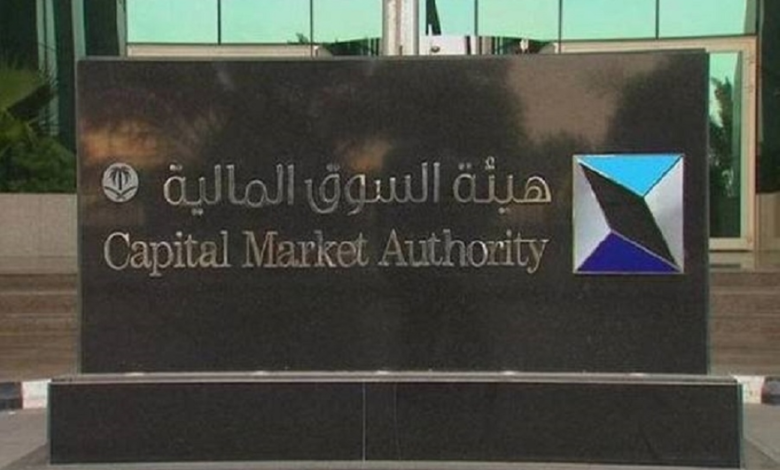
New financial market regulations: Individual institutional accounts are prohibited

Saudi Capital Market Authority ( has issued investment accounts with financial market institutions. This step is part of the CMA's ongoing efforts to develop the regulatory environment of the financial market, enhance transparency and disclosure, and protect investors' rights, in line with the objectives of the Financial Sector Development Program, one of the pillars of Saudi Vision 2030.
A regulatory framework to enhance compliance and combat financial crimes
These new instructions fall within the framework of the Authority's efforts to enhance the efficiency of the financial market and mitigate risks associated with financial transactions. The controls primarily focus on ensuring full compliance with applicable regulations in the Kingdom, most notably the Capital Market Law and its implementing regulations, in addition to integration with legislation related to combating money laundering and terrorist financing. These measures aim to create a safe and attractive investment environment for both local and foreign capital by closing any loopholes that could be exploited for illicit practices.
Banning investment accounts for individual institutions
In a significant departure from previous practices, the new regulations explicitly prohibit the opening of investment accounts for sole proprietorships . This prohibition aims to strengthen the separation between an individual's financial liability and their business activity, thereby reducing the overlap of financial obligations.
However, the authority has established specific exceptions to this ban, including:
- Institutions licensed according to the system of associations and civil institutions.
- Institutions owned by endowments.
These exceptions are subject to strict controls set by the Authority to ensure the integrity of transactions.
Strict controls for opening accounts for individuals and companies
The instructions detailed the due diligence and identity verification procedures for different categories of investors:
1. Individuals (citizens and residents)
The regulations require financial market institutions to verify the national identity of Saudis, the passport or national identity card of citizens of GCC countries, and a valid residency permit for foreign residents. Special procedures have also been established for diplomats, requiring official letters of introduction from their embassies.
2. Minors and those lacking legal capacity
The instructions precisely outlined the mechanism for opening accounts for those under 18 or legally incapacitated. The account is opened in the beneficiary's name (the minor or legally incapacitated person), while the authority to operate and manage the account rests solely with the guardian or legal custodian. The authority emphasized the necessity of submitting legal documents and court rulings proving guardianship or custodianship, and holds the guardian fully legally responsible for investment decisions.
3. Legal entities (companies)
For Saudi companies, the regulations stipulated that they must be established in accordance with the Companies Law. For companies listed on the stock exchange, the regulations imposed additional requirements to ensure governance, including:
- A decision issued by the Board of Directors sets the investment controls.
- In the case of short-term investment (less than one year), this should be done through investment funds or portfolios managed under management contracts to ensure the independence of the investment decision and avoid conflicts of interest.
Expected impact on the financial market
These directives are expected to enhance institutionalization in the Saudi financial market. By prohibiting individual commercial accounts, liquidity will be channeled towards more regulated and transparent avenues. Furthermore, stricter Know Your Customer (KYC) procedures will improve the Kingdom's ranking in international financial compliance indices, thereby increasing foreign investor confidence in the robustness of the Saudi financial market's regulatory framework.
In conclusion, the instructions emphasized the prohibition of financial transfers between the investment accounts of different clients except in narrow exceptional cases, and linking investment accounts to bank accounts belonging to the same client, in order to tighten control over the movement of funds and prevent any financial suspicions.