
Introduction: Expected weather fluctuations in the Kingdom
Saudi Arabia is currently experiencing significant weather fluctuations, with the National Center for Meteorology forecasting moderate to heavy rainfall across large parts of the country. This rainfall pattern is typical of transitional seasons, when the Arabian Peninsula is affected by low-pressure systems that bring much-needed rain. Historically, the Kingdom has experienced periods of atmospheric instability at this time of year, known locally as the rainy season, which has long been associated with the revitalization of the desert environment. In recent years, there has been an increase in the frequency and intensity of these rainfall events, which meteorologists and climate experts attribute to global climate change, which is clearly impacting weather patterns in the Middle East.
Details of the rainfall situation in the Riyadh region
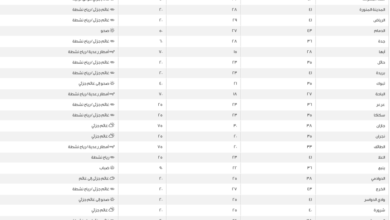
Official reports from the National Center for Meteorology indicate that the Riyadh region is expected to experience moderate to heavy rainfall on Thursday and Friday. This forecast primarily covers the capital city of Riyadh, as well as several important cities and governorates, including: Al-Dilam, Al-Muzahmiya, Dhurma, Marat, Shaqra, Al-Ghat, Al-Zulfi, Al-Majma'ah, Thadiq, Huraymila, Ad-Diriyah, Rumah, Afif, Ad-Dawadimi, Al-Quway'iyah, Ar-Rayn, Hawtat Bani Tamim, Al-Hariq, and Al-Kharj. This rainfall is of significant local importance, as it directly contributes to replenishing strategic groundwater reserves and revitalizing vegetation and natural pastures in desert areas. This will positively impact the environment and agriculture sectors and support national afforestation initiatives.
Weather effects on the Eastern region
In a related development, the National Center for Meteorology had previously issued a weather alert in its regular reports for the Eastern Province of the Kingdom. Moderate rainfall is expected on Wednesday, beginning at 9:00 AM and continuing until 7:00 PM. This alert covers the governorates of Hafr Al-Batin, Al-Khafji, Al-Nairiyah, and Qaryat Al-Ulya, urging residents of these areas and travelers on their highways to take note.
Accompanying weather phenomena and expected impact
The current weather conditions are not limited to rainfall; they are accompanied by a range of severe weather phenomena that require close attention. These include high-speed winds that may stir up dust and sand, causing near-zero visibility on roads. Hail showers of varying sizes and strong thunderstorms are also expected, along with a high probability of flash floods in valleys and ravines. Regionally and internationally, these accurate and early warnings reflect the significant and remarkable development of the Saudi meteorological system and its superior ability to monitor climate changes and issue early warnings to protect lives and property.
Warnings and guidelines from the General Directorate of Civil Defense
In light of these precise weather forecasts, the General Directorate of Civil Defense urged all citizens and residents in the affected areas to exercise extreme caution. The Directorate stressed the importance of strictly adhering to official instructions and guidelines, which include avoiding valleys and flood channels, not attempting to cross them in vehicles regardless of the surface water level, and staying away from water accumulations and swamps that may pose a hidden danger. It also called for continuous updates through official channels and media outlets, praying to God Almighty that the rains be a blessing and a source of goodness, that their benefits extend throughout the country, and that this weather event passes peacefully and safely for everyone.