Coalition strike in Mukalla: Foiling Emirati arms smuggling and violating Resolution 2216

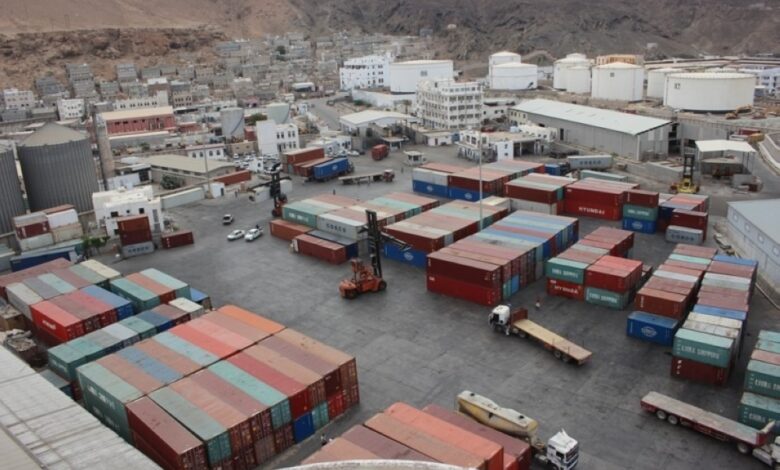
The Yemeni arena witnessed a significant development with the Coalition to Restore Legitimacy carrying out a precise airstrike targeting a shipment of weapons and armored vehicles in the port of Mukalla. The Joint Command confirmed that this action was in response to the UAE's entry of two ships loaded with military equipment without obtaining the necessary official permits. This incident constitutes a dangerous precedent and a clear violation of UN Security Council Resolution 2216, particularly given the deliberate disabling of the ships' tracking and navigation systems to evade monitoring.
Details of the military operation in Mukalla
Sources indicated that coalition air forces conducted a limited military operation targeting sophisticated weapons and combat vehicles unloaded from two ships arriving from the Emirati port of Fujairah. This strike followed meticulous surveillance and the documentation of physical evidence confirming an attempt to flood the area with weapons outside the control of the state. The operation was carried out according to strict rules of engagement to neutralize the threat without causing collateral damage to the port's infrastructure or civilians.
Background of Resolution 2216 and International Legitimacy
To understand the dimensions of this event, it is necessary to return to the international legal context. Security Council Resolution 2216, issued in 2015, serves as the primary framework for military operations in Yemen. The resolution explicitly prohibits the supply of weapons to armed groups outside the framework of the legitimate government and emphasizes the necessity for all military movements and ports of entry to be subject to the authority of the state and the coalition supporting it. Therefore, bypassing inspection mechanisms and obtaining permits from the Joint Forces Command constitutes a violation of Yemeni sovereignty and international resolutions governing the crisis.
The strategic importance of Hadhramaut and Al Mahrah
The coalition's military intervention came in response to a direct request from the head of the Yemeni Presidential Leadership Council, aimed at protecting civilians in the Hadramawt and Al-Mahra governorates. These two governorates are of paramount geopolitical importance, not only for Yemen but also for regional security, as they share a land border of approximately 700 kilometers with Saudi Arabia. Military support for the Southern Transitional Council forces in these areas is interpreted as an attempt to impose a new military reality that threatens the stability of the liberated regions.
The repercussions of arming outside the framework of the state
Observers believe that the influx of weapons and armored vehicles to factions not under the control of the Yemeni Ministry of Defense in sensitive areas like Mukalla reflects a trend that could destabilize the security and stability of the Kingdom and the region as a whole. The presence of armed groups with heavy weapons near the Saudi border poses a threat to the Kingdom's national security and undermines the de-escalation efforts the international community is striving to establish. The coalition's strike serves as a firm message that the security of Yemen, its territorial integrity, and the control of its sovereign ports are red lines that cannot be crossed under any pretext.