
تواجه الولايات المتحدة الأمريكية موجة غير مسبوقة من غلاء المعيشة طالت أحد أهم طقوس الحياة اليومية للمواطنين، حيث دفعت الزيادات الحادة في أسعار القهوة شريحة واسعة من المستهلكين إلى إعادة النظر في عاداتهم الاستهلاكية. لم يعد فنجان القهوة الصباحي مجرد روتين ثابت، بل تحول إلى عبء مالي يصعب تجاهله في ظل الضغوط الاقتصادية المتراكمة.
وكشفت أحدث بيانات مؤشر أسعار المستهلكين عن قفزة نوعية ومقلقة، حيث ارتفعت أسعار القهوة بنسبة 18.3% خلال شهر يناير 2026 مقارنة بالفترة نفسها من العام السابق. والأكثر إثارة للقلق هو الاتجاه التصاعدي طويل الأمد، إذ قفزت الأسعار بنحو 47% على مدى السنوات الخمس الماضية، مما يمثل واحدة من أكبر موجات التضخم التي تضرب هذا المنتج الأساسي في الثقافة الأمريكية.
تغير جذري في سلوك المستهلك
انعكس هذا الصعود القوي في الأسعار بشكل مباشر وسريع على سلوك المستهلكين الأمريكيين. فقد بدأ قطاع كبير منهم في تقليص زياراتهم للمقاهي الشهيرة التي كانت جزءاً لا يتجزأ من حياتهم الاجتماعية والمهنية. وبدلاً من ذلك، لجأ الكثيرون إلى بدائل أقل تكلفة، مثل شراء ماكينات تحضير القهوة المنزلية أو البحث عن علامات تجارية أرخص في المتاجر الكبرى، بينما اضطر البعض الآخر لاتخاذ قرار صعب بالاستغناء عن القهوة تماماً أو تقليل استهلاكها للحد الأدنى.
أولويات الإنفاق في مواجهة التضخم
يؤكد خبراء الاقتصاد أن ارتفاع أسعار القهوة ليس حدثاً معزولاً، بل هو مؤشر على تآكل القوة الشرائية. ويقول بعض المستهلكين إن الغلاء دفعهم إلى إعادة هيكلة أسلوب حياتهم؛ فبدلاً من الزيارات المنتظمة للمقاهي باهظة الثمن، أصبح إعداد القهوة في المنزل خياراً اقتصادياً ضرورياً. وأوضحت التقارير أن متوسط سعر فنجان القهوة في المقاهي الأمريكية بلغ مستويات قياسية في عدة ولايات، مما أجبر الأسر على إعادة تقييم أولويات الإنفاق، حيث لم تعد القهوة الجاهزة ترفاً متاحاً للجميع كما كانت في السابق.
أزمة المقاهي والمشاريع الصغيرة
على الجانب الآخر من المعادلة، سجلت المقاهي والمشاريع الصغيرة التي تعتمد بشكل كلي على مبيعات القهوة ضغوطاً متزايدة. يعاني أصحاب الأعمال من ارتفاع تكلفة المواد الخام، ليس فقط حبوب البن، بل أيضاً الحليب والسكر والأكواب الورقية، بالإضافة إلى تكاليف الشحن والعمالة. هذا الوضع يضعهم بين خيارين أحلاهما مر: إما تقييد هوامش الربح للحفاظ على الزبائن، أو إعادة تسعير المنتجات مما قد يؤدي إلى فقدان شريحة من العملاء لصالح البدائل المنزلية.
الأسباب الاقتصادية والجيوسياسية
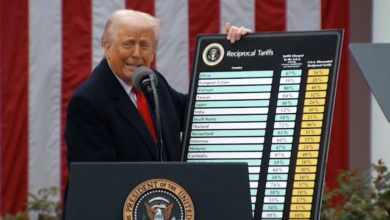
لا يمكن فصل هذا الارتفاع عن السياق الاقتصادي والسياسي الأوسع. يُعزى جزء كبير من هذا الضغط إلى السياسات التجارية والرسوم الجمركية التي فُرضت في فترات سابقة على واردات البن الخام من الدول الكبرى المنتجة مثل البرازيل وفيتنام وكولومبيا. ورغم تعديل بعض هذه الرسوم لاحقاً، إلا أن آثارها لا تزال تلقي بظلالها على الأسعار داخل السوق الأمريكية، حيث تسببت في زيادة تكاليف الاستيراد وسلاسل الإمداد.
وتأتي هذه التحولات في وقت يواجه فيه المستهلك الأمريكي ضغوطاً تضخمية أوسع نطاقاً تشمل السلع الأساسية والطاقة والإسكان، مما يدفع الأسر إلى اتخاذ قرارات مالية صارمة وإعادة ترتيب الأولويات اليومية، حتى لو كان ذلك يعني التخلي عن الملذات البسيطة التي كانت تُعد من المسلمات في الحياة اليومية.