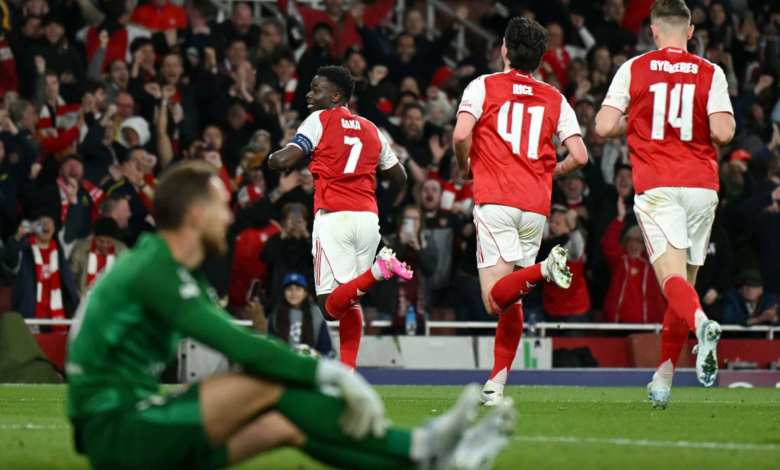

Arsenal achieved a long-awaited historic feat, reaching the UEFA Champions League final for the first time in 20 years, after a hard-fought and valuable 1-0 victory over their Spanish visitors, Atletico Madrid, at the Emirates Stadium in London, in the second leg of the semi-final of Europe's most prestigious club competition.
The only goal of the match came courtesy of young English star Bukayo Saka in the 45th minute of the first half, securing his team's place in the final. The first leg, played last week at the Wanda Metropolitano Stadium in Madrid, ended in a 1-1 draw, meaning the Gunners advanced with a 2-1 aggregate score.
Historical context and a long-awaited return
This qualification marks the end of a long absence from the pinnacle of European football for Arsenal. The last time the London club reached this stage was in the 2005-2006 season, when they faced Barcelona in the famous Paris final. In that match, despite taking the lead, Arsenal lost 2-1 in a game that saw their German goalkeeper, Jens Lehmann, sent off early. That golden generation included legends like Thierry Henry and Dennis Bergkamp, and that defeat proved a turning point in the club's history, after which they suffered a gradual decline on the continental stage. Today, the current generation, led by manager Mikel Arteta, is rewriting history and restoring the club to the position its fans aspire to.
The importance of winning and its expected impact
The impact of this achievement extends far beyond the sporting realm, encompassing immense moral and economic benefits. Domestically, this qualification reinforces Arsenal's status as a footballing force returning to compete at the highest level, and provides a tremendous morale boost to the young squad that has proven its ability to challenge the continent's elite. Regionally, this qualification underscores the strength and dominance of Premier League clubs in European competitions. Internationally, Arsenal's reaching the final guarantees a massive global audience and restores the club's prestige and popularity to the international stage, positively impacting sponsorship deals and financial returns.
Details of the confrontation and the brilliance of the defense
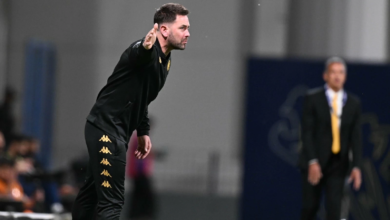
The match saw a strong start from both teams, with Arsenal having a slight advantage as they capitalized on home advantage and the support of their fans to apply early pressure. Just before halftime, Bukayo Saka converted this dominance into the opening goal. In the second half, Atlético Madrid, under the guidance of their coach Diego Simeone, rallied and controlled the game, attempting to equalize. However, all their efforts were thwarted by the solidity of Arsenal's defense and the alertness of their Spanish goalkeeper, David Raya, who delivered an exceptional performance and kept a clean sheet. The referee then blew the final whistle, confirming Arsenal's historic qualification.
With this victory, Arsenal secured a place in the final against the winner of the other semi-final match between Bayern Munich of Germany and Paris Saint-Germain of France, in what is expected to be an exciting football summit.