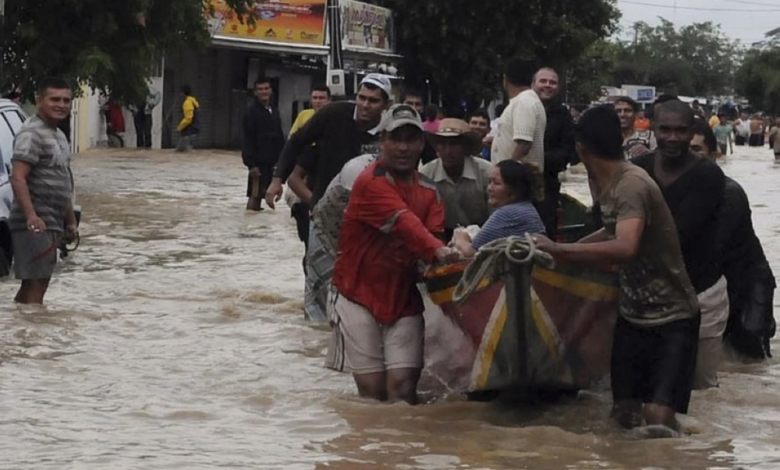

أعلنت الحكومة الكولومبية رسمياً حالة الطوارئ الوطنية في البلاد، وذلك في أعقاب موجة غير مسبوقة من الأمطار الغزيرة التي تسببت في فيضانات مدمرة اجتاحت مناطق واسعة في شمال البلاد. وقد أسفرت هذه الكارثة الطبيعية عن خسائر بشرية مؤلمة وأضرار مادية جسيمة طالت البنية التحتية والقطاع الزراعي، مما استدعى تدخلاً عاجلاً من أعلى سلطة في الدولة.
مرسوم رئاسي لمواجهة الكارثة
أصدر الرئيس الكولومبي، غوستافو بيترو، مرسوماً يقضي بإعلان حالة الطوارئ لمدة 30 يوماً، وهو إجراء استثنائي يمنح الحكومة صلاحيات واسعة للتعامل مع الأزمة. وبموجب هذا القرار، تتمكن السلطات التنفيذية من تخصيص اعتمادات مالية فورية من الموازنة العامة وتوجيهها مباشرة لصالح المناطق المنكوبة وعمليات الإغاثة، وذلك دون الحاجة لانتظار موافقة الكونغرس، مما يسرع من وتيرة الاستجابة الإنسانية.
حصيلة الضحايا وتضارب الأرقام الأولية
فيما يتعلق بالخسائر البشرية، شهدت الساعات الأولى للكارثة تضارباً في المعلومات، حيث أعلنت الهيئة الوطنية لإدارة الكوارث في البداية عن مصرع 22 شخصاً. إلا أن السلطات عادت لتدقق البيانات وتؤكد أن الحصيلة الرسمية للضحايا بلغت 18 قتيلاً لقوا حتفهم في حوادث متفرقة مرتبطة بالسيول والانهيارات الأرضية الناجمة عن الأمطار، ولا تزال فرق الإنقاذ تواصل عملها في المناطق المتضررة.
المناطق الأكثر تضرراً: قرطبة في قلب العاصفة
كشفت التقارير الميدانية أن مقاطعة قرطبة، التي تعد مركزاً حيوياً لتربية الماشية في البلاد، كانت من أكثر المناطق تضرراً. فقد غمرت المياه منازل ما يزيد عن 150 ألف مواطن في هذه المقاطعة وحدها، نتيجة فيضان أحد السدود وارتفاع منسوب الأنهار بشكل جنوني. ولا تقتصر الكارثة على قرطبة فحسب، بل شمل إعلان الطوارئ ثماني مقاطعات أخرى، تقع معظمها في منطقة البحر الكاريبي، وهي: أنتيوكيا، لاغواخيرا، سوكري، بوليفار، سيزار، ماغدالينا، وشوكو.
خسائر اقتصادية وزراعية هائلة
لم تقتصر أضرار فيضانات كولومبيا على الجانب البشري، بل وجهت ضربة قاسية للاقتصاد المحلي والأمن الغذائي. وتشير الإحصاءات الحكومية إلى تدمير أكثر من 4300 منزل، وغرق مساحات شاسعة من الأراضي الزراعية تقدر بنحو 300 ألف هكتار. وبما أن المناطق المنكوبة تشتهر بكونها سهولاً للرعي والزراعة، فقد تكبد قطاع الثروة الحيوانية خسائر فادحة، حيث أكدت جمعية مربي الماشية نفوق أكثر من 1200 رأس من الماشية، مما ينذر بتداعيات اقتصادية طويلة الأمد على سكان هذه المناطق الريفية.