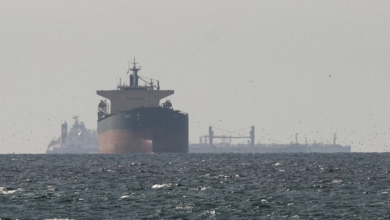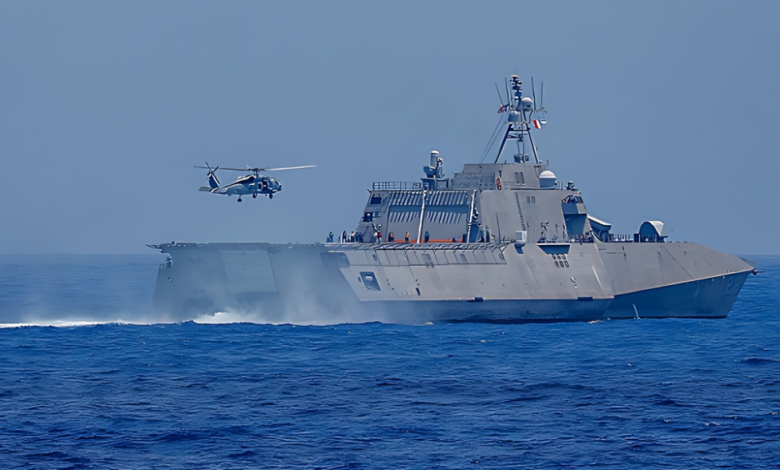

In an unprecedented security achievement that reflects the scale of the challenges facing the world’s nations in combating organized crime, Colombian President Gustavo Petro announced the success of the Colombian Navy, in cooperation with a broad international coalition, in seizing a huge quantity of cocaine amounting to 27 tons, during two separate operations targeting smuggling routes across the Pacific and Atlantic Oceans.
Details of the joint security operation
Colombian authorities revealed that this major blow to smuggling networks was the result of meticulous intelligence and operational coordination. President Petro explained that the first operation resulted in the seizure of nine tons of cocaine, with the active participation of naval and security forces from Australia, Panama, Costa Rica, and El Salvador. This phase targeted vessels attempting to transport shipments through waterways in the Pacific and Atlantic Oceans, traditional routes used by cartels to move drugs to North America and other markets.
The second operation, described as high-profile, was carried out with logistical and intelligence support from European police agencies. This operation successfully intercepted and seized 18 tons of cocaine near the Spanish Canary Islands. This area is of strategic importance to smugglers as it lies in the Atlantic Ocean off the coast of West Africa and serves as a major gateway for drugs smuggled from Latin America to European markets.
Results of the procedure and its direct impact
The Colombian president confirmed that the two-day operation resulted in the arrest of approximately 20 suspects of various nationalities, describing the campaign as “one of the largest seizures in history carried out without bloodshed or fatalities.” This statement indicates a significant shift in counterterrorism strategies, focusing on intelligence gathering and intercepting shipments rather than direct armed confrontations that often lead to casualties.
General context: Colombia and the battle for global production
This operation comes at a time when Colombia is facing increasing international and domestic pressure to curb cocaine production. According to United Nations reports, Colombia remains the world's largest cocaine producer, with more than 250,000 hectares of coca fields. Despite ongoing efforts to eradicate and replace crops, the enormous financial returns of the drug trade make it difficult to completely eliminate this crop without providing farmers with alternative economic solutions.
The strategic importance of international cooperation
This security success underscores the importance of cross-border cooperation in combating organized crime. The seizure of 27 tons of cocaine is not merely a statistic; it represents the loss of hundreds of millions of dollars in revenue for criminal organizations, significantly weakening their ability to finance illicit activities, purchase weapons, and recruit members. Furthermore, the participation of countries from different continents (Latin America, Europe, and Australia) confirms that the drug threat is no longer confined to producing or consuming nations, but has become a global security threat requiring concerted intelligence and military efforts to disrupt the maritime supply lines that are the lifeblood of this trade.