
مقدمة عن الحدث الفلكي المرتقب
في ظاهرة فلكية استثنائية تلفت أنظار عشاق الفضاء ومراقبي السماء، أوضح المهندس ماجد أبوزاهرة، رئيس الجمعية الفلكية بجدة، أن سماء كوكب الأرض ستشهد في منتصف شهر أبريل من عام 2026 حدثاً فلكياً بارزاً. يتمثل هذا الحدث في اقتراب مذنب PANSTARRS (C/2025 R3) من الشمس إلى مسافة آمنة تُقدر بحوالي 0.5 وحدة فلكية، وهو ما يعادل تقريباً 75 مليون كيلومتر. ومن المتوقع أن يصل المذنب إلى أقرب نقطة له من الشمس خلال الفترة الممتدة بين 19 و20 أبريل، والمثير في الأمر أنه سيمر بسلام دون أن يتعرض للتفكك أو الانهيار، على عكس ما حدث سابقاً مع المذنب MAPS (C/2026 A1) الذي تحطم بمجرد اقترابه من الغلاف الشمسي.
السياق التاريخي وبرنامج بان ستارز (PANSTARRS)
لفهم أهمية هذا الحدث، يجب الإشارة إلى أن اسم المذنب يعود إلى نظام تلسكوبات المسح البانورامي ونظام الاستجابة السريعة (PANSTARRS) الموجود في مرصد هاليكالا في هاواي. هذا البرنامج الرائد عالمياً مخصص لاكتشاف الأجرام السماوية القريبة من الأرض، بما في ذلك الكويكبات والمذنبات التي قد تشكل خطراً أو تقدم فرصاً علمية نادرة. تاريخياً، لطالما اعتبرت المذنبات رسلاً من أقاصي النظام الشمسي، حيث تحمل في طياتها أسرار تكوين المجموعة الشمسية قبل مليارات السنين، مما يجعل كل اكتشاف جديد بمثابة كنز علمي يضيف إلى المعرفة البشرية.
طبيعة المذنبات وتكوينها الجليدي
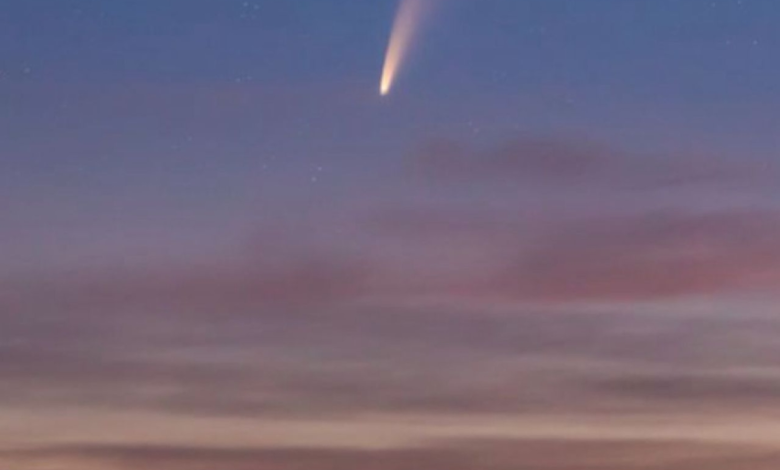
تُعد المذنبات من الأجرام السماوية الصغيرة والفريدة، حيث تتكون أساساً من مزيج من الجليد، الغبار، والصخور، وتُعتبر بمثابة كبسولات زمنية مجمدة من بقايا تشكل النظام الشمسي. وعند اقتراب هذه الأجرام من الشمس، تتعرض لدرجات حرارة هائلة تؤدي إلى ظاهرة التسامي، حيث يتحول الجليد مباشرة من الحالة الصلبة إلى الغازية. هذه العملية تُنتج غازات تُشكل الذيل المضيء الشهير للمذنب، والذي يمتد لمسافات هائلة في الفضاء العميق. ويتجه هذا الذيل دائماً في الاتجاه المعاكس للشمس بفعل تأثير الرياح الشمسية، مما يوفر للعلماء فرصة ذهبية لدراسة تفاعل هذه الأجرام مع البيئة الشمسية المعقدة.
فرصة نادرة للرصد بالعين المجردة
من المتوقع أن يصل سطوع مذنب PANSTARRS (C/2025 R3) إلى القدر الظاهري (+3)، وهو مستوى من اللمعان يجعله مرئياً بوضوح بالعين المجردة، شريطة توافر ظروف رصد مثالية. أفضل وقت لمشاهدته سيكون عند النظر نحو الأفق الشرقي المنخفض قبل شروق الشمس بحوالي ساعتين. وفي الوقت الحالي، يقارب سطوع المذنب نجوم القدر الخامس، مما يتيح لهواة الفلك رصده بسهولة باستخدام التلسكوبات والكاميرات الفلكية المتطورة. كما يتميز هذا المذنب بذيل طويل وواضح سيمتد لمسافة كبيرة في السماء أثناء مروره عبر كوكبة بيغاسوس (الفرس الأعظم)، مما يجعله هدفاً مثالياً لهواة التصوير الفلكي، خاصة عند استخدام تقنية التعريضات القصيرة خلال فترة الشفق الصباحي حيث يظهر الذيل بأعلى درجات التباين والوضوح.
الأهمية والتأثير الإقليمي والدولي
على المستوى الإقليمي، تبرز أهمية هذا الحدث في تعزيز الوعي العلمي والفلكي في المملكة العربية السعودية ومختلف الدول العربية. حيث ستكون فرصة رصد المذنب متاحة بوضوح في سماء المنطقة خلال الفترة من 15 وحتى 21 أبريل تقريباً. هذا الحدث يشجع السياحة الفلكية ويدفع الشباب والطلاب للاهتمام بالعلوم البحتة. أما على المستوى الدولي، فإن مرور مذنب طويل المدى دون تفكك يُعد فرصة علمية لا تُعوض لوكالات الفضاء والمراصد العالمية لدراسة التركيب الكيميائي للمذنبات، وتحليل الغازات والغبار المنبعث منها، ومراقبة سلوك ذيولها عند التفاعل مع الرياح الشمسية.
توصيات هامة لرصد المذنب بنجاح
لضمان تجربة رصد ممتعة وناجحة، يوصي الخبراء بمحاولة رصد المذنب قبل شروق الشمس بفترة تتراوح بين ساعة وساعتين. من الضروري اختيار مواقع مفتوحة ومظلمة تماماً، بعيدة عن التلوث الضوئي للمدن والمباني والإضاءة الصناعية. ورغم إمكانية رؤيته بالعين المجردة، إلا أن استخدام منظار ثنائي العدسات أو تلسكوب صغير سيحسن من جودة المشاهدة ويكشف عن تفاصيل أدق لبنية الذيل ومكوناته. علاوة على ذلك، يُنصح بشدة بالاستعانة بالتطبيقات الفلكية الحديثة على الهواتف الذكية، مثل تطبيق Stellarium Mobile، الذي يتيح تحديد موقع المذنب بدقة متناهية بناءً على الموقع الجغرافي للمستخدم، ويعرض خريطة تفاعلية للسماء في الزمن الحقيقي، مما يسهل تتبع مسار المذنب ومعرفة أوقات ظهوره وارتفاعه الدقيق عن الأفق.