
إنجاز جديد في خدمة الحرمين الشريفين
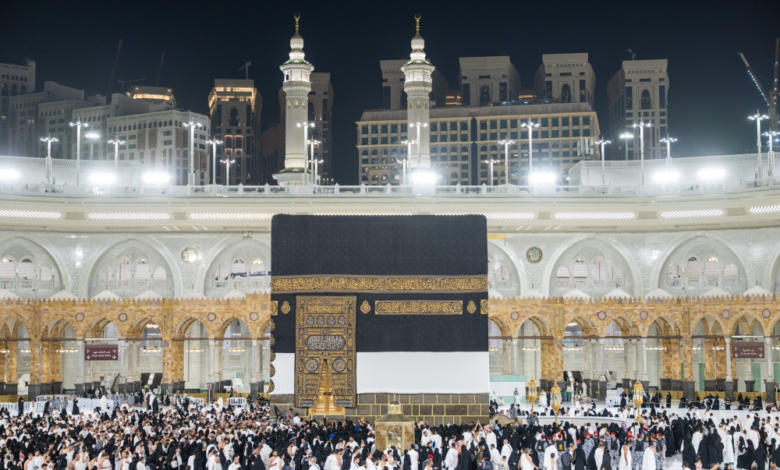
أعلنت الهيئة العامة للعناية بشؤون المسجد الحرام والمسجد النبوي، بالتكامل مع الجهات المعنية، عن اكتمال أعمال الصيانة الدورية للكعبة المشرفة وحِجر إسماعيل عليه السلام. يأتي هذا الإنجاز تتويجاً لجهود مستمرة تهدف إلى الحفاظ على أقدس المقدسات الإسلامية، وذلك وفق أعلى المعايير الهندسية والفنية والتشغيلية على مستوى العالم، وبسواعد وطنية مؤهلة.
السياق التاريخي للعناية بالكعبة المشرفة
تاريخياً، حظيت الكعبة المشرفة باهتمام بالغ وعناية فائقة من قبل قادة الأمة الإسلامية على مر العصور. ومنذ توحيد المملكة العربية السعودية، أولى ملوك المملكة اهتماماً استثنائياً بالحرمين الشريفين. وتُعد أعمال الصيانة الحديثة امتداداً للترميمات الشاملة والتاريخية التي شهدتها الكعبة، مثل الترميم الشامل في عهد الملك فهد بن عبد العزيز عام 1996م، والذي شمل تقوية الأساسات وتجديد الشاذروان. واليوم، في ظل توجيهات خادم الحرمين الشريفين الملك سلمان بن عبد العزيز وسمو ولي عهده الأمين -حفظهما الله-، تحولت هذه العناية إلى عمل مؤسسي دقيق يعتمد على أحدث التقنيات للحفاظ على العناصر التاريخية والمعمارية بأفضل الحلول المتاحة.
تفاصيل مشروع الصيانة الدورية للكعبة المشرفة
أوضحت الهيئة أن أعمال الصيانة استغرقت نحو 4700 ساعة عمل، وتوزعت على 31 حزمة رئيسية شملت 305 نشاطات متنوعة. تضمنت هذه الأعمال صيانة جوف الكعبة المشرفة، وسطحها، ومحيطها الخارجي. كما تم تنفيذ فحوصات دقيقة واختبارات للعناصر الداخلية التي شملت الأخشاب، والأحجار، والرخام، والمعادن المطلية بالذهب، مع تنفيذ معالجات تصحيحية وفق منهجيات فنية معتمدة.
وشملت الأعمال استبدال أكثر من 30 متراً طولياً من فواصل التمدد (السيليكون) حول الكعبة المشرفة لكامل الأجزاء المتضررة، وإعادة ترويب أكثر من 50 متراً طولياً من فواصل الرخام. إلى جانب ذلك، تم جلي وتلميع كامل رخام الأرضيات المحيطة بالكعبة من جميع الجهات، بما في ذلك جهة باب الكعبة المشرفة، مما يعكس مستوى العناية الدقيقة بأدق التفاصيل.
خطة تشغيلية دقيقة لضمان انسيابية الطواف
من أبرز التحديات التي تم تجاوزها بنجاح هي تنفيذ هذا المشروع الضخم دون التأثير على حركة الطائفين. نُفذ المشروع ضمن خطة تشغيلية دقيقة راعت استمرار انسيابية حركة المعتمرين والزوار في صحن المطاف. جرى تنفيذ الأعمال بكفاءة عالية وفي أوقات مدروسة تضمن تحقيق أعلى درجات السلامة، مما أسهم في توحيد الجهود وتحقيق أعلى مستويات التنسيق الميداني. كما تم إجراء دراسات بيئية متخصصة لقياس خصائص بيئة جوف الكعبة المشرفة لضمان الحفاظ على مكوناتها الداخلية والستارة بأعلى درجات الجودة والاستدامة.
أهمية الحدث وتأثيره المحلي والدولي
يحمل اكتمال صيانة الكعبة المشرفة أهمية بالغة على عدة أصعدة. محلياً، يبرز هذا الإنجاز كفاءة السواعد الوطنية التي نفذت المشروع باستخدام أحدث التقنيات والمواد المطابقة للمواصفات القياسية العالمية، مما يتماشى مع مستهدفات رؤية السعودية 2030 في تعزيز جودة الخدمات المقدمة لضيوف الرحمن. إقليمياً ودولياً، يبعث هذا الحدث برسالة طمأنينة لأكثر من مليار ونصف المليار مسلم حول العالم، مؤكداً على الجاهزية التامة للحرم المكي لاستقبال الحجاج والمعتمرين. إن استدامة مكونات الكعبة المشرفة تعكس التزام المملكة الراسخ بخدمة الإسلام والمسلمين، وتوفير بيئة إيمانية آمنة ومتهيئة لأداء المناسك بكل يسر وطمأنينة.