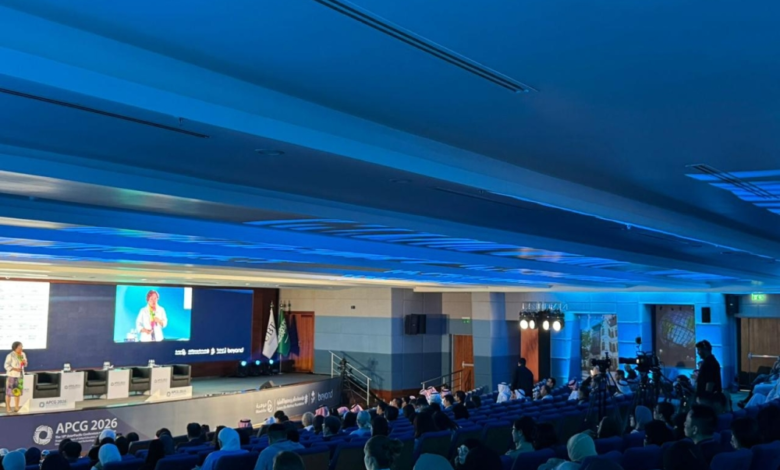

اختتمت مدينة جدة فعاليات المؤتمر الآسيوي التاسع عشر للموهبة والإبداع 2026، الذي أقيم برعاية كريمة من معالي وزير التعليم الأستاذ يوسف بن عبدالله البنيان، مسدلاً الستار على حدث علمي عالمي استمر لمدة خمسة أيام، وخرج بسبع توصيات جوهرية تهدف إلى إحداث نقلة نوعية في سياسات تعليم الموهوبين على المستويين المحلي والدولي.
رؤية استراتيجية لتعزيز رأس المال البشري
تأتي استضافة المملكة العربية السعودية لهذا الحدث الدولي الكبير في سياق اهتمامها المتنامي بتنمية القدرات البشرية، وهو أحد ركائز رؤية المملكة 2030 التي تضع الاستثمار في العقول والمواهب في صدارة أولوياتها. وقد أكد المشاركون في البيان الختامي أن التوصيات السبع تمثل خارطة طريق لتطوير سياسات وطنية مرنة تستند إلى أحدث الأدلة البحثية والممارسات العالمية، مشددين على أن دمج التحول الرقمي والذكاء الاصطناعي في التعليم لم يعد خياراً بل ضرورة ملحة لتمكين الطلبة ذوي الكفاءات العالية من قيادة المستقبل.
بناء القدرات وشراكات دولية مستدامة
ركزت التوصيات بشكل كبير على الجانب التطبيقي، حيث دعا المؤتمر إلى ضرورة بناء القدرات المهنية للمعلمين وفق أحدث المعايير الدولية، وتوسيع نطاق الشراكات العالمية لاستثمار ابتكارات الموهوبين في مسارات النمو الوطني. وأشار الدكتور عبدالله بن صادق دحلان، رئيس مجلس أمناء جامعة الأعمال والتكنولوجيا ورئيس اللجنة الإشرافية العليا للمؤتمر، إلى أن مخرجات المؤتمر تعكس وعياً متقدماً بأهمية الموهبة كرافد للاقتصاد المعرفي، مؤكداً أن النقاشات المعمقة التي شهدتها الجلسات تعزز من مكانة المملكة كمركز إقليمي وعالمي لصناعة سياسات التعليم المتقدم.
حراك علمي ونقاشات متخصصة
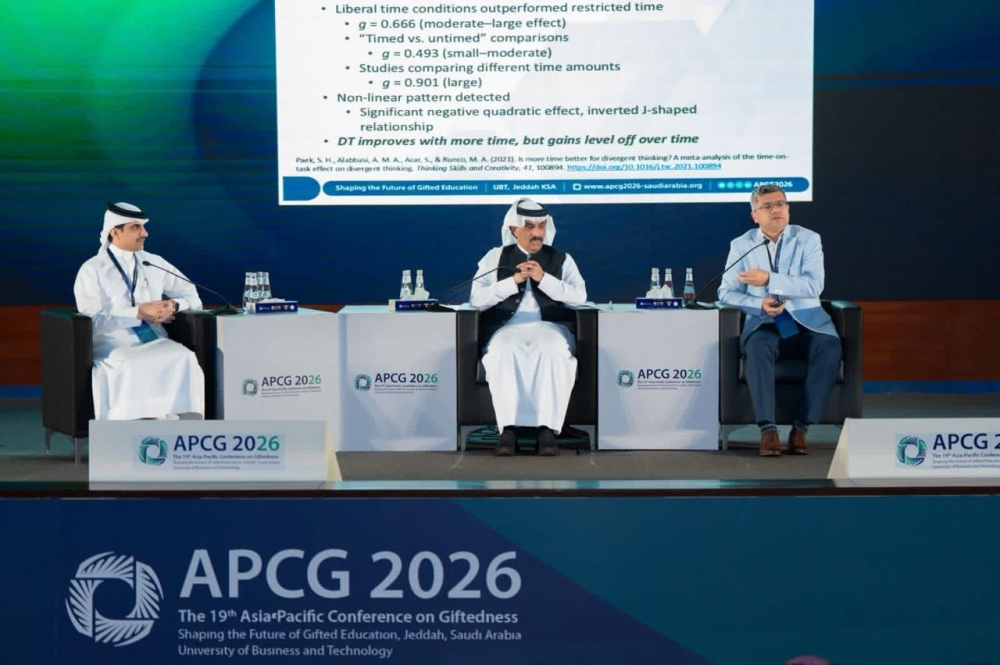
شهدت أيام المؤتمر زخماً علمياً كبيراً، حيث تضمن البرنامج زيارات ميدانية للمدارس للاطلاع على نماذج تطبيقية لرعاية الموهوبين، مما ربط الجانب النظري بالواقع العملي. كما عقدت ندوات متخصصة ناقشت قضايا دقيقة مثل «اختبارات التفكير الإبداعي والبيئة»، و«الاستثناء المزدوج ونظرية غرين» التي سلطت الضوء على تحديات تعليم الطلبة الموهوبين من ذوي الاحتياجات الخاصة، بالإضافة إلى ندوة حول دور الجامعات السعودية في احتضان المواهب.
مستقبل الموهبة: مبادرات جديدة وآفاق واعدة
في خطوة استشرافية، شهد اليوم الختامي إطلاق حزمة من المبادرات الجديدة للمجلس الآسيوي للموهبة والإبداع، شملت برامج للإرشاد البحثي ومجموعات الاهتمامات الخاصة، بهدف تعزيز التعاون الدولي المستدام. واختتم البرنامج بمحاضرة رئيسة حول مفهوم «الميغاطوبات» وأطر تحديد الموهبة على مستوى الدول.
إن نجاح هذا المؤتمر لا يقاس فقط بجودة الحضور أو التنظيم، بل بالأثر المتوقع لهذه التوصيات في تطوير منظومات تعليمية قادرة على اكتشاف ورعاية المبتكرين، مما يسهم في تحقيق التنمية المستدامة وصناعة الأثر الإيجابي محلياً وعالمياً.