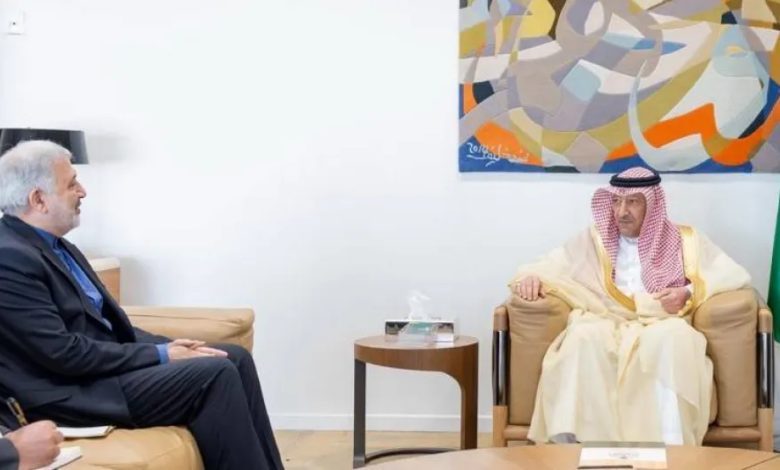

في خطوة دبلوماسية تعكس حرص المملكة العربية السعودية على حماية مصالحها الوطنية والالتزام بالأعراف الدولية، استدعت وزارة الخارجية السعودية السفير الإيراني لدى المملكة، وسلمته مذكرة احتجاج رسمية شديدة اللهجة. وتأتي هذه الخطوة تأكيداً على الموقف السعودي الثابت والرافض لأي شكل من أشكال التجاوزات أو التصريحات التي من شأنها المساس بسيادة الدول أو التدخل في شؤونها الداخلية، وهو المبدأ الذي طالما دعت الرياض إلى احترامه كركيزة أساسية للعلاقات الدولية.
تفاصيل الموقف الدبلوماسي السعودي
أوضحت مصادر مطلعة أن استدعاء السفير الإيراني جاء للتعبير عن استياء المملكة من تصرفات لا تتسق مع مبادئ حسن الجوار والقوانين الدولية المنظمة للعلاقات بين الدول. وقد شدد المسؤولون في وزارة الخارجية خلال اللقاء على ضرورة التزام الجانب الإيراني بالمواثيق الدولية، وفي مقدمتها ميثاق الأمم المتحدة واتفاقية فيينا للعلاقات الدبلوماسية، التي تجرم انتهاك سيادة الدول وتفرض احترام استقلالها السياسي وسلامة أراضيها.
سياق العلاقات السعودية الإيرانية: نظرة تاريخية
لفهم أبعاد هذا الحدث، لا بد من النظر إلى السياق التاريخي للعلاقات بين القوتين الإقليميتين. شهدت العلاقات السعودية الإيرانية محطات متباينة من التوتر والتقارب على مدى العقود الماضية. وبعد سنوات من القطيعة الدبلوماسية التي بدأت في عام 2016، شهدت المنطقة تحولاً جوهرياً في مارس 2023، حينما أعلنت الدولتان عن استئناف العلاقات الدبلوماسية بموجب اتفاق رعته جمهورية الصين الشعبية. هذا الاتفاق نص صراحة على احترام سيادة الدول وعدم التدخل في شؤونها الداخلية، مما يجعل أي تجاوز لهذا البند أمراً يستدعي وقفة دبلوماسية حازمة لضمان استدامة الاتفاق وتنفيذ بنوده بجدية.
أهمية الالتزام بالسيادة وتأثيره الإقليمي
يحمل هذا الإجراء الدبلوماسي دلالات واسعة تتجاوز الإطار الثنائي، حيث تعتبر المملكة العربية السعودية ركيزة الاستقرار في منطقة الشرق الأوسط. إن الإصرار السعودي على احترام السيادة يعكس رؤية استراتيجية تهدف إلى تجنيب المنطقة صراعات جديدة، وضمان بيئة آمنة تدعم التنمية الاقتصادية ومشاريع الازدهار التي تقودها المملكة ضمن رؤية 2030. كما أن استقرار العلاقات بين الرياض وطهران ينعكس بشكل مباشر على ملفات إقليمية ساخنة في اليمن، ولبنان، وسوريا، وأمن الملاحة في الخليج العربي.
الرسائل السياسية والدولية
يوجه هذا الاستدعاء رسالة واضحة للمجتمع الدولي مفادها أن المملكة، ورغم انفتاحها على الحوار والتهدئة، لن تتهاون في الدفاع عن حقوقها السيادية. ويؤكد المراقبون أن الدبلوماسية السعودية تمزج بين الحزم والمرونة، حيث تسعى لبناء جسور التعاون شريطة أن تكون مبنية على الاحترام المتبادل والندية. وتظل الكرة الآن في ملعب الدبلوماسية الإيرانية للتعاطي بإيجابية مع الملاحظات السعودية لضمان عدم تعكير صفو الأجواء الإيجابية التي سادت المنطقة مؤخراً.