
جهود المملكة في تطوير البنية التحتية لخدمة ضيوف الرحمن
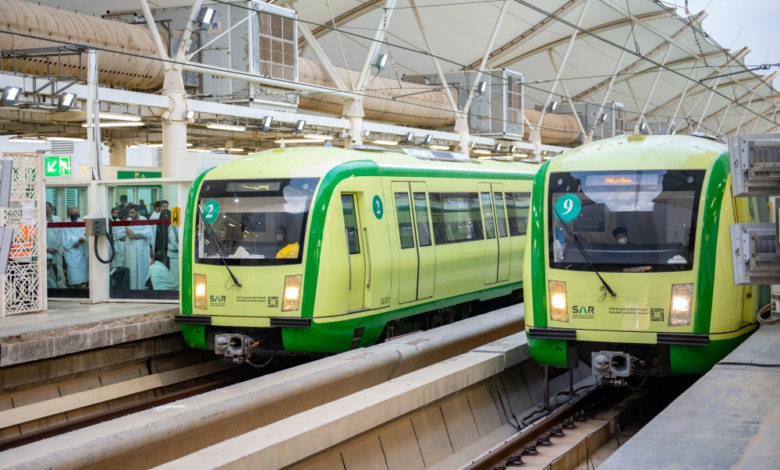
في إطار الجهود الحثيثة والمستمرة التي تبذلها حكومة المملكة العربية السعودية لضمان راحة وسلامة حجاج بيت الله الحرام، أنهت الهيئة العامة للطرق تنفيذ واحد من أهم المشاريع الحيوية والمبتكرة في المشاعر المقدسة. يتمثل هذا المشروع في تبريد الأسطح الإسفلتية ومسارات المشاة المحيطة بمحطات قطار المشاعر في مشعر منى، وذلك استعداداً لموسم حج عام 1447هـ. يأتي هذا الإنجاز ليعكس التزام المملكة بتسخير أحدث التقنيات العالمية وتطويعها لخدمة ضيوف الرحمن، بما يتماشى مع مستهدفات رؤية السعودية 2030 التي تضع خدمة الحجاج والمعتمرين في قمة أولوياتها الاستراتيجية.
السياق التاريخي وتحديات المناخ في المشاعر المقدسة
تاريخياً، ارتبط أداء فريضة الحج بالعديد من التحديات الجغرافية والمناخية، لعل أبرزها الارتفاع الشديد في درجات الحرارة خلال فصل الصيف في منطقة مكة المكرمة والمشاعر المقدسة. على مر العقود، عملت المملكة على إيجاد حلول جذرية للتخفيف من وطأة الحرارة على الحجاج، بدءاً من توفير المظلات العملاقة، مروراً بأنظمة الرذاذ المائي، وصولاً إلى الابتكارات الحديثة في هندسة الطرق. وتبرز أهمية هذه الحلول بالنظر إلى الأعداد المليونية التي تتوافد في وقت واحد ضمن مساحة جغرافية محدودة، مما يتطلب إدارة حشود متقدمة وبنية تحتية قادرة على التكيف مع الظروف المناخية القاسية لحماية الحجاج من الإجهاد الحراري وضربات الشمس.
تفاصيل مشروع تبريد الأسطح في مشعر منى
أوضحت الهيئة العامة للطرق أن المساحة الإجمالية للمشروع الجديد بلغت 14 ألف متر مربع، وقد تم توزيع هذه المساحة بعناية فائقة على 3 مواقع استراتيجية ومستهدفة داخل مشعر منى. شملت هذه الأعمال تهيئة مسارات مخصصة لتسهيل حركة الحجاج، مع التركيز بشكل خاص على كبار السن والأشخاص ذوي الإعاقة. يهدف هذا التوزيع الجغرافي الدقيق إلى تيسير تنقل هذه الفئات الغالية بين محطات قطار المشاعر والمخيمات بكل يسر وسهولة، وتقليل العناء الجسدي الذي قد يواجهونه أثناء أداء المناسك اليومية.
التقنية المستخدمة: طلاء أبيض محلي الصنع
من الناحية التقنية، يتميز هذا المشروع بالاعتماد على مواد مبتكرة وصديقة للبيئة. فقد أبانت الهيئة أن المادة المستخدمة في تبريد الطرق تتكون من طلاء أبيض محلي الصنع بالكامل، مما يعكس تطور الصناعة الوطنية السعودية. يتمتع هذا الطلاء بقدرة فائقة على عكس أشعة الشمس وتقليل امتصاص الإسفلت للحرارة خلال ساعات النهار الطويلة. ويسهم هذا الابتكار بشكل مباشر وفعال في خفض حرارة الأسطح بمعدل يصل إلى 15 درجة مئوية. فضلاً عن ذلك، يلعب هذا الطلاء دوراً فاعلاً في تلطيف الأجواء المحيطة بمناطق الانتظار والتدفقات البشرية المرتفعة.
الأهمية والتأثير المتوقع للمشروع
على الصعيد المحلي، يعزز هذا المشروع من جودة البنية التحتية لقطاع النقل والطرق في المشاعر المقدسة، ويحقق مستهدفات الجودة والسلامة الاستراتيجية. أما على الصعيدين الإقليمي والدولي، فإن نجاح مثل هذه المشاريع يرسخ مكانة المملكة العربية السعودية كدولة رائدة عالمياً في إدارة الحشود وتوظيف التكنولوجيا لخدمة الإنسانية. إن توفير بيئة مريحة وباردة للحجاج القادمين من شتى بقاع الأرض ينعكس إيجاباً على تجربتهم الروحانية، ويؤكد للعالم أجمع أن المملكة لا تدخر جهداً في سبيل تيسير أداء الركن الخامس من أركان الإسلام.