
في خطوة هامة تعيد الاستقرار للعمليات المدارية، وصل أربعة رواد فضاء بنجاح إلى محطة الفضاء الدولية يوم السبت، ضمن مهمة "كرو-12" (Crew-12) المشتركة بين وكالة "ناسا" وشركة "سبيس إكس". تأتي هذه المهمة في توقيت حرج وحيوي، حيث يحل الطاقم الجديد محل زملائهم الذين اضطروا للعودة إلى الأرض بشكل طارئ في سابقة هي الأولى من نوعها.
تفاصيل الرحلة والالتحام المداري
استغرقت رحلة الوصول إلى المختبر المداري حوالي 34 ساعة، بدأت بإطلاق صاروخ "فالكون 9" العملاق من قاعدة كيب كانافيرال في فلوريدا. وقد التحمت الكبسولة الفضائية بالمحطة بسلام، حاملة على متنها فريقاً دولياً متنوعاً بقيادة رائدة الفضاء الأمريكية المخضرة جيسيكا مير، التي صرحت فور وصولها قائلة: "لقد ربطنا إرث الوجود البشري المستمر في الفضاء لأكثر من 25 عاماً في هذا الموقع بالذات".
وأضافت مير، معبرة عن المشاعر التي تنتاب الرواد عند رؤية الكوكب من الأعلى: "بينما ننظر إلى الأرض من هذه النوافذ، نتذكر أن التعاون ليس ممكناً فحسب، بل هو ضروري. هنا في الأعلى، لا توجد حدود والأمل عالمي".
سياق المهمة: استجابة لتحديات غير مسبوقة
تكتسب هذه المهمة أهمية خاصة نظراً للظروف التي سبقتها. فقد جاء الطاقم الجديد ليملأ الفراغ الذي تركه طاقم "كرو-11"، الذي عاد إلى الأرض في يناير الماضي قبل شهر كامل من موعده المقرر. كان ذلك بسبب حالة صحية طارئة لأحد أفراد الطاقم، مما استدعى تنفيذ أول عملية إجلاء طبي في تاريخ محطة الفضاء الدولية الممتد لعقود. هذا الحدث سلط الضوء على التحديات الصحية التي قد تواجه البشر في الفضاء وضرورة وجود برطوكولات طوارئ فعالة، وهو ما نجحت الوكالات الفضائية في إدارته.
أهداف علمية تمهد لاستكشاف الفضاء العميق
من المقرر أن يقضي الطاقم الجديد ثمانية أشهر على متن المحطة، حيث سيجرون حزمة واسعة من التجارب العلمية التي لا يمكن إجراؤها على الأرض. وتتجاوز هذه الأبحاث مجرد الدراسة النظرية، لتشمل:
- دراسات انعدام الجاذبية: فهم تأثيرات الإقامة الطويلة في الفضاء على جسم الإنسان (العضلات، العظام، والنظر)، وهو أمر حيوي للتخطيط لرحلات المريخ المستقبلية.
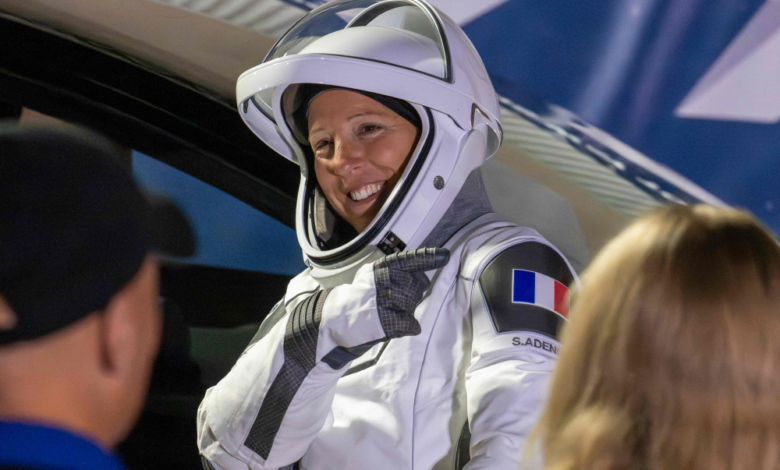
- تكنولوجيا الطب الفضائي: ستقوم رائدة الفضاء الفرنسية صوفي أدينو، التابعة لوكالة الفضاء الأوروبية، باختبار نظام متطور يستخدم الذكاء الاصطناعي والواقع المعزز. يهدف هذا النظام لتمكين رواد الفضاء من إجراء فحوصات طبية دقيقة لأنفسهم بالموجات فوق الصوتية دون الحاجة لتوجيه مباشر من الأرض، مما يعزز الاستقلالية الطبية في الرحلات البعيدة.
تشكيل الطاقم والتعاون الدولي
يعكس تشكيل طاقم "Crew-12" استمرار التعاون الدولي في مجال الفضاء رغم التوترات الجيوسياسية على الأرض. يضم الفريق بالإضافة للقائدة مير:
- جاك هاثاواي (الولايات المتحدة): طيار ورائد فضاء من ناسا.
- صوفي أدينو (فرنسا): ممثلة لوكالة الفضاء الأوروبية.
- أندري فيدياييف (روسيا): رائد فضاء من وكالة "روسكوزموس"، مما يؤكد استمرار الشراكة الروسية-الأمريكية في تشغيل المحطة.
تعتبر محطة الفضاء الدولية، التي تدور على ارتفاع 400 كيلومتر فوق سطح الأرض، نموذجاً فريداً للهندسة البشرية والتعاون السلمي، حيث تواصل استضافة البشر بشكل مستمر منذ مطلع الألفية، مقدمة للبشرية اكتشافات علمية لا تقدر بثمن.