
مقدمة عن جهود المملكة في موسم الحج
تُعد رعاية ضيوف الرحمن وإدارة الحشود المليونية خلال موسم الحج من أعظم المسؤوليات التي توليها المملكة العربية السعودية اهتماماً بالغاً. وفي هذا السياق، تُنفَّذ في المنطقة المركزية المحيطة بالمسجد النبوي الشريف في المدينة المنورة منظومة ميدانية متكاملة لإدارة حركة المشاة وتنظيم تدفق الحشود. تأتي هذه الخطط الاستباقية لتواكب الكثافة البشرية العالية التي تشهدها المنطقة في أوقات الذروة، خصوصاً في الفترات التي تسبق وتلي الصلوات المكتوبة، بالإضافة إلى أوقات الزيارة والتنقل بين مرافق الإيواء والمواقع الخدمية المختلفة.
السياق التاريخي لتطوير المسجد النبوي وخدمة الحجاج
تاريخياً، ارتبطت المدينة المنورة بوجدان المسلمين في شتى بقاع الأرض، ورغم أن زيارة المسجد النبوي ليست من أركان الحج، إلا أنها تُعد مقصداً رئيسياً للحجاج قبل أو بعد أداء المناسك في مكة المكرمة. على مر العقود، شهد المسجد النبوي والمنطقة المركزية المحيطة به توسعات تاريخية ضخمة ومشاريع بنية تحتية عملاقة، تهدف جميعها إلى استيعاب الأعداد المتزايدة من الزوار. وقد تطورت أساليب إدارة الحشود من الاجتهادات اليدوية البسيطة في الماضي إلى استخدام أحدث التقنيات وأنظمة المراقبة الذكية في العصر الحالي، مما يعكس التزام المملكة الراسخ بتوفير بيئة آمنة ومريحة لزوار مدينة رسول الله صلى الله عليه وسلم.
مسارات محددة للتعامل مع كثافة الحركة
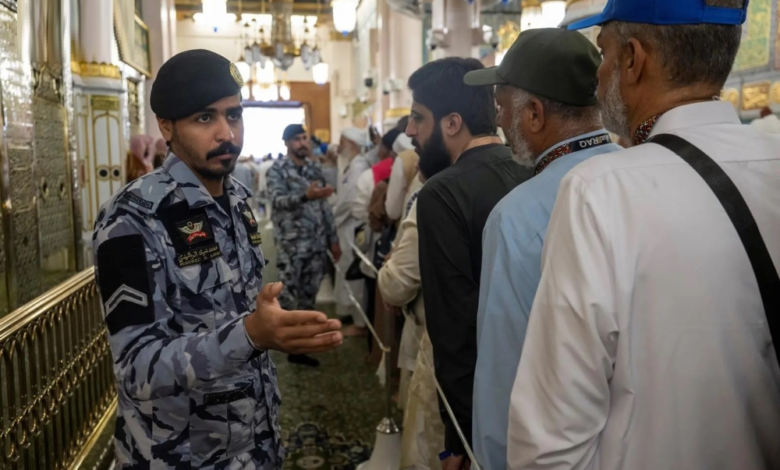
تعمل الجهات المعنية في المدينة المنورة على تطبيق خطط تنظيمية مرنة تعتمد بشكل أساسي على توزيع المسارات المخصصة للمشاة، وتنظيم نقاط العبور والتقاطعات الحيوية. وتشمل الإجراءات الميدانية توجيه الحشود عبر مسارات محددة تتناسب مع كثافة الحركة في كل موقع. ولتحقيق أقصى درجات الانسيابية، يتم الاستفادة القصوى من اللوحات الإرشادية والشاشات التوعوية الإلكترونية التي تُسهم في توجيه المشاة نحو المداخل والمخارج والمسارات الأقل ازدحاماً. هذا التوزيع الذكي يعزز من سلامة القاصدين ويرفع من كفاءة الحركة داخل المنطقة المركزية، مدعوماً بتكثيف الوجود الميداني للفرق التنظيمية والإرشادية.
إدارة أوقات الذروة والتدخل الفوري
لضمان عدم حدوث أي اختناقات، تُفعَّل خطط خاصة للتعامل مع أوقات الذروة، وذلك من خلال إعادة توزيع التدفقات البشرية وفق الكثافات اللحظية، وتخصيص مسارات إضافية للمشاة في بعض المواقع المحيطة. إضافة إلى ذلك، يتم دعم المواقع الميدانية بفرق متابعة متخصصة تعمل على رصد الحركة بشكل مستمر على مدار الساعة، مما يتيح التدخل الفوري عند الحاجة لتقليل التكدسات والمحافظة على انسيابية الحركة.
الأهمية والتأثير المحلي والدولي لتنظيم الحشود
لا تقتصر أهمية هذه الخطط التنظيمية على الجانب الأمني واللوجستي فحسب، بل يمتد تأثيرها محلياً وإقليمياً ودولياً. على الصعيد المحلي، تسهم هذه الجهود في تنشيط الحركة الاقتصادية في المدينة المنورة بشكل منظم، وتخلق فرص عمل موسمية للشباب السعودي المشارك في التنظيم. أما على الصعيدين الإقليمي والدولي، فإن نجاح المملكة في إدارة واحدة من أكبر التجمعات البشرية في العالم يرسخ مكانتها الرائدة في مجال إدارة الحشود. هذا النجاح يبعث برسائل طمأنينة لملايين المسلمين حول العالم، ويؤكد قدرة الأجهزة السعودية على توفير أقصى درجات الأمن والسلامة لضيوف الرحمن.
تسهيل تنقل الحجاج وتكامل الخدمات
في الختام، تتكامل هذه الجهود الميدانية مع منظومة النقل والتفويج والخدمات المساندة في المنطقة المركزية. هذا التكامل الفعّال يُسهم بشكل مباشر في تسهيل تنقل الحجاج والزوار بين مواقع السكن، والمسجد النبوي، والمرافق الخدمية والصحية. إن توفير هذه البيئة التنظيمية المتطورة يهدف في المقام الأول إلى تعزيز السلامة والراحة خلال موسم الحج، ليتمكن ضيوف الرحمن من أداء عباداتهم في أجواء مفعمة بالسكينة والطمأنينة.