Supporting Taif rose industries: Enhancing economic value and cultural heritage

As the annual Taif rose harvest season draws to a close, filling the air of Taif with its fragrant aroma, a new and equally important phase begins: the processing and manufacturing of the roses. The Makkah Region branch of the Ministry of Environment, Water and Agriculture (“Makkah Environment”) is leading concerted efforts to maximize the economic value of this unique product by supporting and developing industries that transform the precious rose petals into luxury products that embody Taif’s identity and rich heritage.
Historical background and rich cultural heritage
The cultivation of the Taif rose, scientifically known as *Rosa damascena trigintipetala*, is an integral part of the history of Taif. Its roots stretch back hundreds of years, as the Taif highlands, such as Al-Shafa and Al-Hada, provided an ideal environment for its growth thanks to their temperate climate, fertile soil, and high altitude. The Taif rose has gained widespread fame not only for its distinctive and intense fragrance but also for its deep connection to Islamic culture. The luxurious oil from the Taif rose is used annually to wash the Holy Kaaba, giving it a special spiritual significance for Muslims worldwide.
Manufacturing industries: adding value and economic sustainability
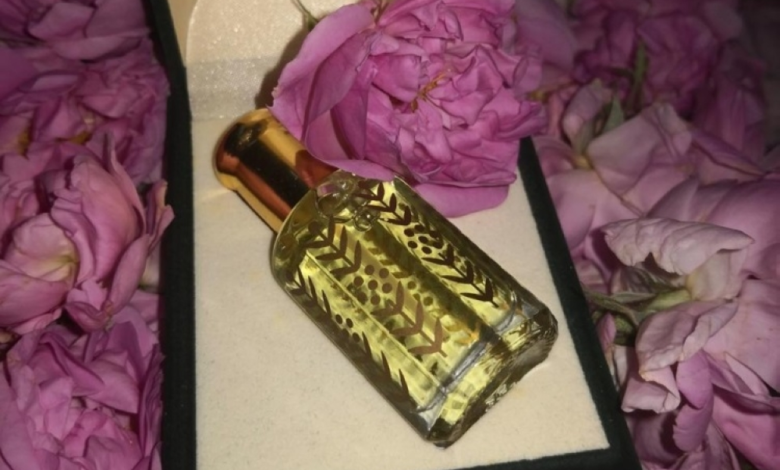
Rose processing plants and factories in Taif are experiencing a surge in activity during this period, transforming millions of harvested roses into a wide array of high-quality products. The process begins with traditional distillation to produce rose water and rose oil (concentrated perfume), considered among the most expensive perfumes in the world. However, modern processing industries have expanded the product range to include essential oils, skin and body care products, natural soaps, home fragrances, and even innovative food and beverage products. This diversification not only enhances the product's local and international presence but also ensures the full utilization of the harvest and minimizes waste.
Economic importance and alignment with Vision 2030
The support provided by the Makkah Environment Authority for these industries is a strategic step aligned with the goals of Saudi Vision 2030. These efforts contribute to increasing the efficiency of crop utilization, maximizing economic returns for farmers and producers, and providing new job opportunities for Saudi youth. They also support the diversification of the local economy's production base and open up promising investment prospects in the agricultural and aromatic industries. Regionally and internationally, the development of this sector enhances the Kingdom's position as a leading producer of luxury products with cultural roots and solidifies Taif's status as a unique agricultural and tourist destination, especially with the annual Taif Rose Festival, which attracts thousands of visitors from within and outside the Kingdom.
Transforming Taif roses from a mere agricultural crop into an integrated industrial system represents a successful model for achieving sustainable agricultural development, where a rich cultural heritage is preserved while achieving added value that contributes to the development of the local economy and consolidates the position of this national product on the global map.