The Crown Prince and the President of the UAE discuss regional security and countering Iran

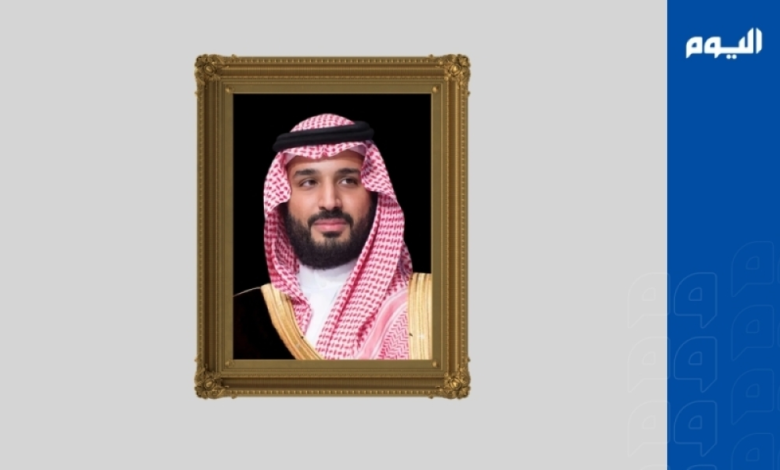
His Royal Highness Prince Mohammed bin Salman bin Abdulaziz Al Saud, Crown Prince and Prime Minister of the Kingdom of Saudi Arabia, held an important telephone conversation with his brother, His Highness Sheikh Mohammed bin Zayed Al Nahyan, President of the United Arab Emirates. These talks come within the framework of ongoing coordination and consultation between the two leaderships regarding various regional and international issues. During the call, they discussed the latest developments in the Middle East and reviewed the repercussions of current events on regional security and stability.
Countering Iranian interference and aggression
During the telephone call, the two leaders discussed the security challenges facing the Gulf Cooperation Council (GCC) states. They clearly emphasized that Iran's continued aggression and blatant interference in the affairs of the region's countries constitutes a dangerous escalation that directly threatens the security and stability of the entire region. Both sides stressed the unified and firm Gulf position, which stipulates that the GCC states will continue to exert all efforts and utilize all available resources to defend their territorial sovereignty, protect the well-being of their people, and stand united against any external threats.
The historical depth of Saudi-Emirati relations
The relationship between the Kingdom of Saudi Arabia and the United Arab Emirates is based on deep-rooted historical foundations and profound fraternal ties. Saudi-Emirati coordination serves as a key stabilizing force in the Middle East. Historically, the two countries have worked side-by-side within the framework of the Gulf Cooperation Council and the League of Arab States to unify their visions and positions on critical issues. This strategic alliance was embodied in the establishment of the Saudi-Emirati Coordination Council, which aims to enhance integration in the political, economic, security, and military spheres, reflecting the two leaderships' understanding of the importance of joint action in confronting rapidly evolving challenges.
The strategic importance of Gulf security regionally and internationally
The impact of stability in the Arabian Gulf region extends far beyond the local and regional levels, encompassing the entire global economy. The Gulf is a vital artery for global energy supplies, and any threat to maritime security or the stability of oil-producing nations has immediate repercussions in international markets. Therefore, the talks between Crown Prince Mohammed bin Salman and Sheikh Mohammed bin Zayed send a reassuring message to the international community that Gulf leaders prioritize regional security and are proactively working to contain crises and prevent the region from sliding into wider conflicts.
The future of the region and sustainable development
Beyond security concerns, both Riyadh and Abu Dhabi recognize that security and stability are fundamental to achieving economic development and prosperity. Both countries are leading ambitious national transformation projects, such as Saudi Vision 2030 and UAE Vision 2031, which require a secure and stable regional environment to attract investment and achieve economic diversification. Therefore, addressing regional threats is crucial for safeguarding these developmental gains and ensuring a bright future for generations to come in the Gulf Cooperation Council (GCC) countries.