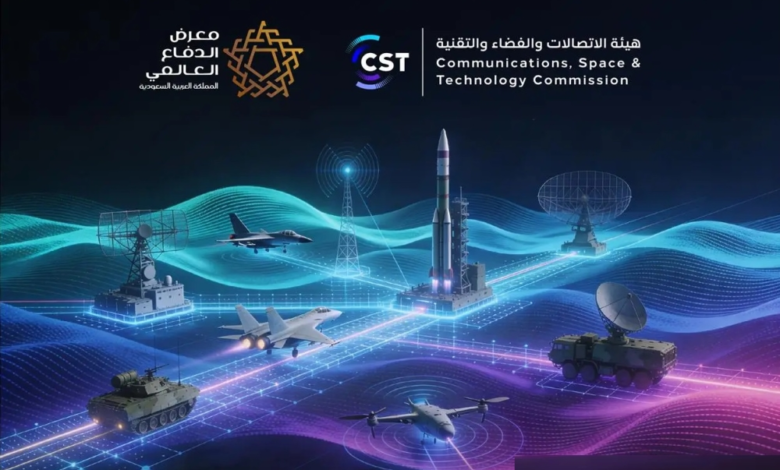

أعلنت هيئة الاتصالات والفضاء والتقنية في المملكة العربية السعودية، عن إطلاق خطة شاملة لتوفير الترددات اللازمة لتمكين التطبيقات الدفاعية والأمنية، وذلك بالتعاون والشراكة مع عدد من الجهات العسكرية والأمنية ذات العلاقة. جاء هذا الإعلان ضمن الاستعدادات والأنشطة المرتبطة بأعمال النسخة الثالثة من معرض الدفاع العالمي المقرر إقامته في عام 2026، مما يعكس التزام المملكة بتطوير بنيتها التحتية الرقمية والدفاعية.
أهمية استراتيجية في سياق رؤية 2030
تأتي هذه الخطوة في توقيت حيوي يتزامن مع الحراك الكبير الذي تشهده المملكة لتحقيق مستهدفات رؤية 2030، وتحديداً فيما يتعلق بتوطين الصناعات العسكرية وتعزيز القدرات الأمنية الوطنية. ويُعد الطيف الترددي مورداً طبيعياً محدوداً، وتكتسب إدارته أهمية قصوى في العصر الحديث، حيث تعتمد العمليات العسكرية والأمنية المتقدمة بشكل كلي على الاتصالات اللاسلكية الموثوقة والسريعة. وتهدف الخطة إلى ضمان توفر النطاقات الترددية اللازمة لتشغيل المنظومات الحديثة دون تداخلات، مما يرفع من الجاهزية القتالية والأمنية.
تفاصيل الخطة وتمكين التقنيات الحديثة
أوضحت الهيئة أن الخطة الجديدة تهدف بشكل رئيسي إلى رفع كفاءة استخدام الطيف الترددي، وهو ما يعد ركيزة أساسية لدعم التقنيات الناشئة والتطبيقات الدفاعية المتطورة. وتشمل هذه التطبيقات مجالات حيوية مثل الطائرات بدون طيار (Drones)، وأنظمة الرادار المتقدمة، وتقنيات الرصد والاستشعار عن بعد، بالإضافة إلى الاتصالات الفضائية عبر الأقمار الصناعية. كما تركز الخطة على تحسين حوكمة إدارة الطيف الترددي للجهات الحكومية، بما يتماشى مع “الخطة الوطنية للطيف الترددي”، لضمان تلبية الاحتياجات التشغيلية المتزايدة لهذه الجهات.
جلسة حوارية بمشاركة خبراء محليين ودوليين
وعلى هامش هذا الإطلاق، عقدت الهيئة جلسة حوارية متخصصة تحت عنوان “تمكين التطبيقات الدفاعية والأمنية من خلال الخطط والتوجهات المستقبلية للطيف الترددي”. وشهدت الجلسة مشاركة نخبة من الخبراء والمختصين، من بينهم الدكتور سامي الحميدي، عضو هيئة التدريس بجامعة الملك سعود ورئيس الفريق الاستشاري للطيف الترددي بالهيئة، والدكتور لورانس شوت، رئيس برامج البحث والتقنية في شركة “لوكيد مارتن” العالمية، والمهندس ثامر بن خميس، مدير عام إدارة الحرب الإلكترونية في مركز الأمير سلطان للدراسات والبحوث الدفاعية، والمهندس أيمن مغربي، مدير عام تخصيص الطيف الترددي بالهيئة. وقد أدار الحوار المهندس عمر السالك، مدير إدارة الترددات بالهيئة، حيث ناقش المجتمعون التحديات الحالية والفرص المستقبلية في هذا المجال.
أطر تنظيمية ومواءمة عالمية
أكدت الهيئة أن الخطة تتضمن وضع أطر تنظيمية واضحة وتنسيقاً متكاملاً بين كافة الجهات المعنية، مع التركيز على تعزيز دور “لجنة التنسيق الوطني للطيف الترددي” (NSCC). كما شددت على أهمية متابعة مخرجات المؤتمر العالمي للاتصالات الراديوية (WRC-27)، لضمان مواءمة التوجهات الوطنية مع المعايير والتطورات العالمية. وتسعى الخطة إلى تحليل الاستخدامات الحالية ومعالجة التحديات، وتحديد النطاقات ذات الأولوية لتمكين تقنيات الاتصالات المتنقلة الدولية في التطبيقات الدفاعية، مما يعزز من مكانة المملكة كقوة رائدة في مجال الاتصالات والفضاء والتقنية على المستويين الإقليمي والدولي.