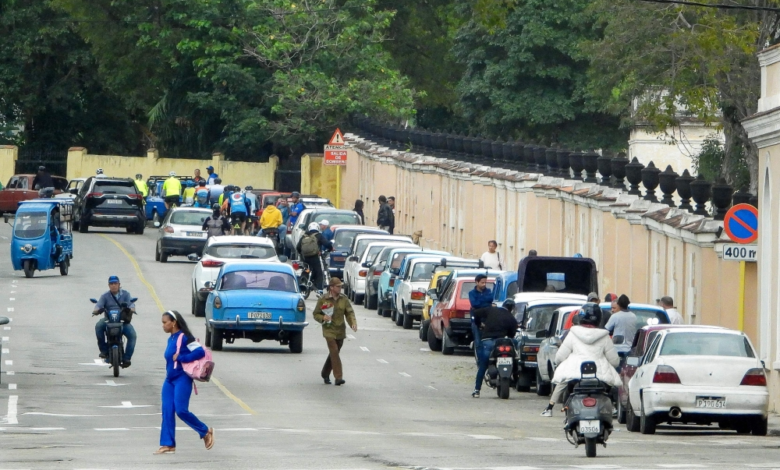

ناشد وزير الخارجية الكوبي برونو رودريغيز بارييا المجتمع الدولي، في كلمة ألقاها أمام مجلس الأمن الدولي، بتقديم مساعدة عاجلة لبلاده لتجنب كارثة إنسانية وشيكة. تأتي هذه المناشدة في ظل تفاقم الأوضاع الاقتصادية والمعيشية في كوبا بسبب الحصار الاقتصادي والتجاري والمالي الذي تفرضه الولايات المتحدة الأمريكية منذ عقود، والذي أثر بشكل خاص على إمدادات الطاقة.
وأكد رودريغيز على خطورة الوضع، قائلاً: “أدعو المجتمع الدولي إلى التحرك لمنع كارثة إنسانية يمكن فرضها عبر حصار الأسلحة أو حصار الوقود”. وأضاف أن “حان وقت التضامن مع كوبا”، مشدداً على أن بلاده تواجه تحديات غير مسبوقة تهدد استقرارها ورفاهية شعبها.
خلفية تاريخية للحصار الأمريكي على كوبا
يعود تاريخ الحصار الأمريكي على كوبا إلى أوائل الستينيات، بعد نجاح الثورة الكوبية عام 1959 بقيادة فيدل كاسترو وتأميم الممتلكات الأمريكية في الجزيرة. فرضت الولايات المتحدة الحصار لأول مرة في عام 1960، ثم شددته ليصبح حصاراً شاملاً في عام 1962، بهدف عزل كوبا اقتصادياً وسياسياً وإجبارها على تغيير نظامها الاشتراكي. وقد تعزز هذا الحصار خلال فترة الحرب الباردة، وشهد تشديدات إضافية عبر قوانين مثل قانون هيلمز-بيرتون في عام 1996، الذي يهدف إلى ردع الاستثمار الأجنبي في كوبا ويسمح بمقاضاة الشركات الأجنبية التي تستخدم ممتلكات أمريكية مؤممة.
على مر السنين، تباينت شدة الحصار، حيث شهدت فترة إدارة الرئيس باراك أوباما انفراجة دبلوماسية وتخفيفاً لبعض القيود، لكن إدارة الرئيس دونالد ترامب عادت لتشديدها بشكل كبير. وقد ألمح الرئيس الأمريكي السابق دونالد ترامب في السابق إلى إمكانية السيطرة على كوبا، مشيراً إلى هافانا كهدف تالٍ بعد تنصيب نيكولاس مادورو في فنزويلا، مما زاد من المخاوف الكوبية بشأن نوايا واشنطن.
تأثير الحصار على الحياة اليومية في كوبا
بسبب الحصار التجاري الأمريكي المفروض منذ وصول فيدل كاسترو إلى السلطة عام 1959، يعيش الكوبيون في ظروف اقتصادية مزرية ويعانون من نقص حاد في الغذاء والدواء والمواد الأساسية الأخرى. هذا النقص يؤثر بشكل مباشر على جودة الحياة، حيث يجد المواطنون صعوبة في الحصول على الضروريات اليومية، وتتأثر الخدمات الأساسية مثل الرعاية الصحية والتعليم. كما أن انقطاع التيار الكهربائي على مستوى البلاد أصبح أمراً مألوفاً، مما يزيد من معاناة السكان ويعيق الأنشطة الاقتصادية.
تفاقمت الأوضاع بشكل خاص عندما قطعت إدارة ترامب إمدادات النفط من فنزويلا، الحليف الرئيسي لهافانا، بعد تنصيب مادورو. تعتمد كوبا بشكل كبير على النفط الفنزويلي لتوليد الطاقة وتشغيل اقتصادها، وقد أدى هذا الإجراء إلى أزمة طاقة حادة أثرت على جميع القطاعات.
المخاوف من تغيير النظام وتداعياتها
شددت إدارة ترامب الخناق على كوبا في الأسابيع الماضية، موجهة اتهامات إلى راؤول كاسترو بإسقاط طائرتين أمريكيتين صغيرتين عام 1996. هذه الاتهامات زادت من المخاوف في الولايات المتحدة من محاولة “انقلاب ناعم” للإطاحة بالحكومة في هافانا. وفي اليوم التالي لإعلان لائحة الاتهام ضد كاسترو، حذر وزير الخارجية الكوبي من أن الولايات المتحدة تركز بشدة على تغيير النظام في كوبا.
وصف رودريغيز لائحة الاتهام بأنها ذات دوافع سياسية، نافياً مزاعم الولايات المتحدة بأن كوبا تشكل تهديداً للأمن القومي الأمريكي. وقال أمام مجلس الأمن: “إنها فكرة تتنافى مع المنطق والعقل. دعوا كوبا تعيش بسلام”. هذه التصريحات تعكس قلق كوبا العميق من التصعيد الأمريكي الذي قد يؤدي إلى زعزعة استقرار المنطقة بأسرها، وتؤكد على ضرورة احترام السيادة الوطنية وعدم التدخل في الشؤون الداخلية للدول.
إن استمرار الحصار الأمريكي لا يؤثر فقط على كوبا، بل يثير تساؤلات حول فعالية العقوبات كأداة للسياسة الخارجية وتأثيرها الإنساني. فالمجتمع الدولي، ممثلاً بالجمعية العامة للأمم المتحدة، يصوت سنوياً بأغلبية ساحقة ضد الحصار، داعياً إلى إنهائه. هذه الدعوات تعكس إجماعاً دولياً على أن الحصار يمثل انتهاكاً للقانون الدولي ومبادئ السيادة، ويجب رفعه لتمكين الشعب الكوبي من التنمية والعيش بكرامة.