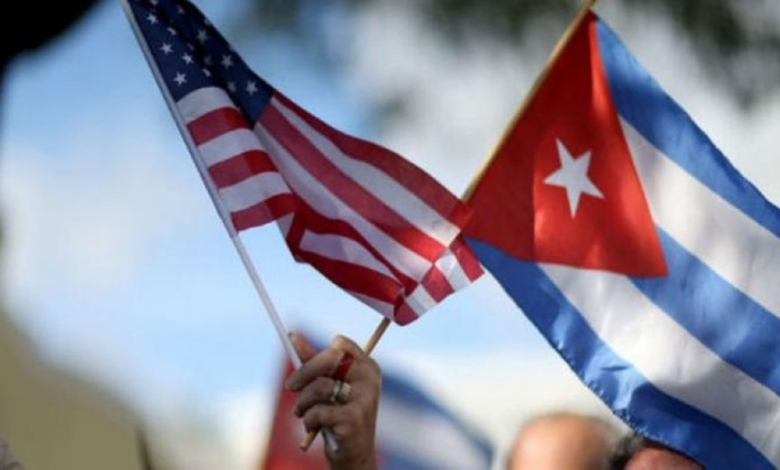

In a move reflecting the gravity of the deteriorating regional situation in Latin America, Cuba's National Defense Commission convened an emergency meeting to assess the country's war readiness. This military action comes at a time of unprecedented escalation in tensions with the United States, particularly following the dramatic developments in Venezuela, Havana's most important strategic ally, and the US-led ouster of President Nicolás Maduro.
Background of the conflict and repercussions of the Venezuelan scene
This meeting was not merely a routine procedure, but a direct response to the dramatic geopolitical shifts in the region. Relations between Cuba and the United States, historically characterized by hostility and mistrust since the Cold War era, have entered a new phase of tension under the administration of President Donald Trump. Havana views recent US actions with concern, believing that the fall of its ally in Caracas could be a prelude to targeting the Cuban regime itself, one of the last remaining leftist strongholds in the continent.
The event gains significance from the pivotal role played by the National Defense Council, the supreme body responsible for managing state affairs in extreme emergencies such as wars or natural disasters. The meeting, chaired by President Miguel Díaz-Canel, had the explicit objective of "analyzing and approving the plans and measures necessary to transition to a state of war" in the event of a direct armed conflict with another country, indicating that Havana takes the American threats very seriously.
Oil and the economy: a threatened lifeline
The military dimension of the crisis cannot be separated from its serious economic repercussions. Venezuela was not merely a political ally; it was Cuba's primary supplier of oil since 2000, under close cooperation agreements that bolstered the besieged Cuban economy. With the US president's declaration of control over Venezuelan oil and the cessation of shipments and aid, Cuba faces an existential challenge that threatens its energy and economic security, further motivating the Cuban leadership to raise its level of preparedness.
Human losses and a firm diplomatic stance
On the ground, reports revealed significant casualties that exacerbated tensions, with dozens killed in the swift US military operation in Venezuela, including 32 Cuban soldiers, some of whom were part of President Maduro's security detail. Despite these losses and threats, the Cuban leadership maintained a balanced yet firm diplomatic tone.
In a speech delivered in front of the US embassy in Havana, the Cuban president affirmed his country's readiness for dialogue, while emphasizing that this openness did not imply submission. He stated clearly, "We will remain open to dialogue and improving relations between our two countries, but on an equal footing and based on mutual respect," denying the existence of any current secret negotiations and refusing to make any political concessions that would infringe upon national sovereignty.