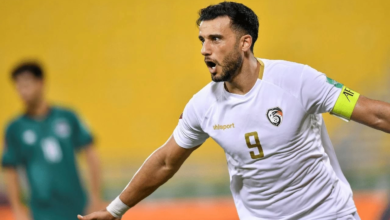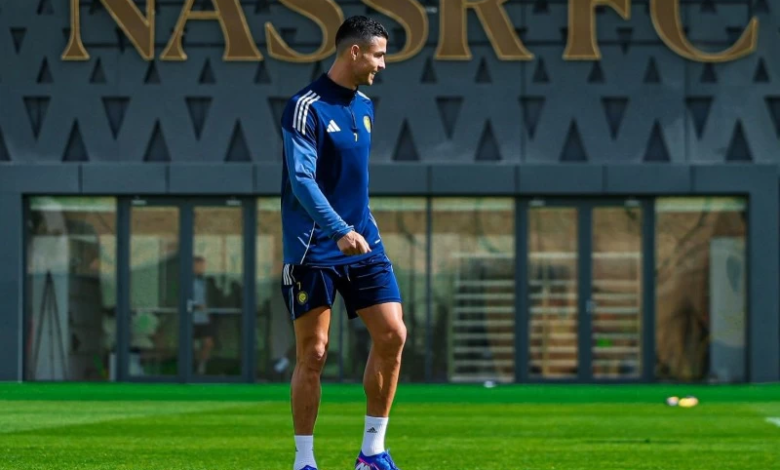

The announcement that Portuguese star Cristiano Ronaldo had acquired a 25% stake in Spanish club Almería through his investment company CR7 Sports Investments sparked widespread speculation and analysis in economic and sporting circles. This move was not interpreted as an isolated investment in the Spanish league, but rather as part of a broader strategic alliance led by the SMC Group, headed by Mohammed Al-Khuraiji. This opens the door to future scenarios concerning club ownership in Saudi Arabia, particularly Al-Nassr FC.
General context: Privatization and the historic transformation of Saudi sports
These moves come at a time when Saudi sports are undergoing an unprecedented historical transformation within the framework of the Kingdom's Vision 2030. Since the launch of the sports club investment and privatization project in June 2023, which began with the transfer of ownership of Al-Hilal, Al-Nassr, Al-Ittihad, and Al-Ahli clubs to the Public Investment Fund, the environment has become conducive to the entry of the private sector and international investors. This context gives the Ronaldo-Al-Khuraiji partnership a strategic dimension, as attention turns to the second phase of privatization, which could allow private investment entities to fully acquire the clubs.
The dimensions of the deal: From Almeria to Riyadh
The official statement regarding the Almeria deal focused on key terms such as "international expansion" and "building a long-term investment portfolio." These terms clearly indicate the adoption of a "multi-club ownership" model, a global model followed by major groups like City Group. Ronaldo's presence as an investment partner, rather than simply a publicity stunt, reflects his transformation from a legendary player to an economic decision-maker, leveraging his extensive experience and a brand valued at hundreds of millions.
The "Dar Al-Nasr" project: tangible proof
What reinforces the hypothesis that the Almeria deal is a "rehearsal" or prelude to a potential takeover of Al-Nassr is the existing collaboration on the "New Al-Nassr Home" project. According to reliable reports, Ronaldo was the originator of the idea to create a world-class training facility for the club, a proposal adopted and funded by the Al-Khuraiji Group. This synergy between Ronaldo's technical vision and the financial capabilities of the SMC Group lays the groundwork for an administrative and operational infrastructure that typically precedes major acquisitions.
Expected economic impact
The formation of an investment platform combining Saudi capital with the global expertise of Cristiano Ronaldo could significantly boost Al-Nassr's market value. The club, which has seen a dramatic increase in television broadcasting revenues reaching over 180 countries since Ronaldo's arrival, has become an attractive investment asset. The success of this partnership at Almería could provide a reliable foundation for a future takeover bid for Al-Nassr, ensuring financial and administrative sustainability that meets European standards and solidifying the Saudi league's position as a global investment destination, not merely a player transfer hub.