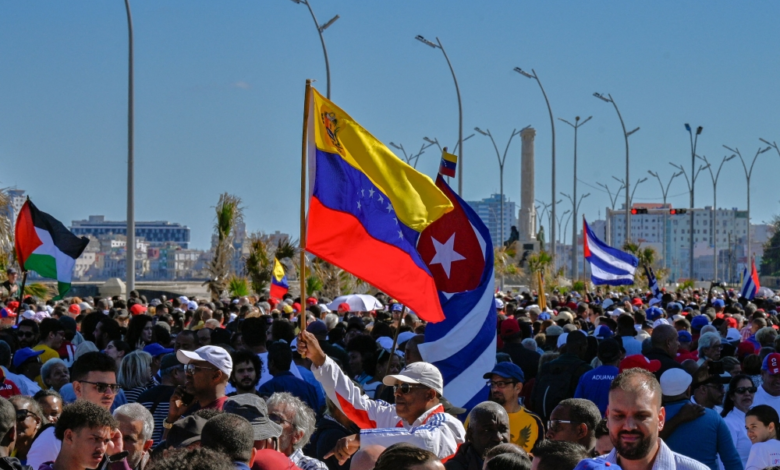
The Cuban president leads a demonstration in Havana denouncing Maduro's arrest

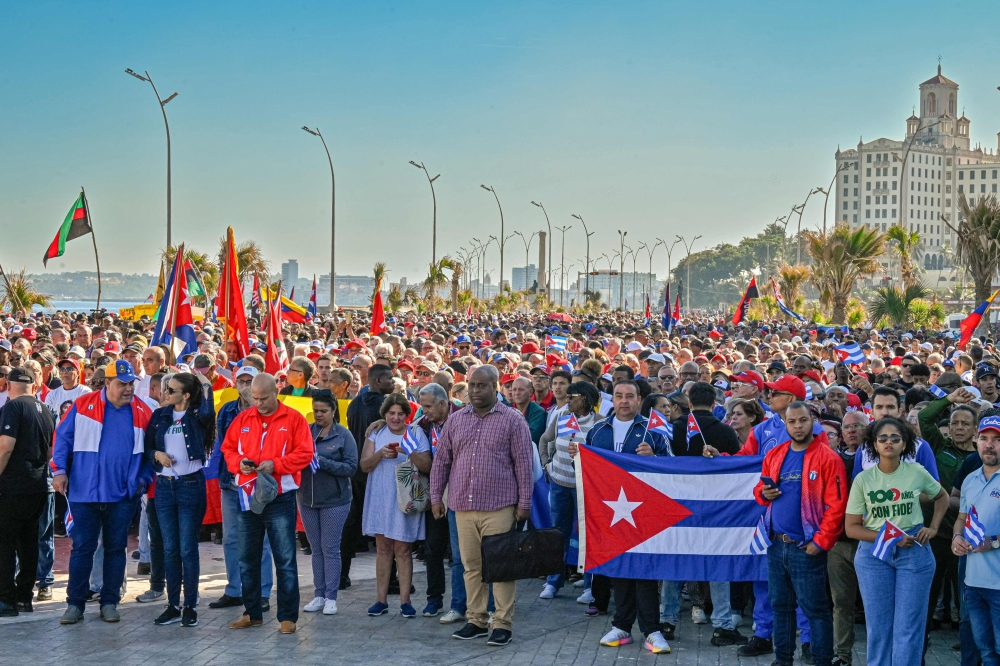
In a new escalation of geopolitical tensions in the Americas, Cuban President Miguel Diaz-Canel a massive rally in the capital, Havana, calling on the people of Latin America to "close ranks" and unite in the face of what he described as American aggression, following the US operation that resulted in the arrest of Venezuelan President Nicolas Maduro , the communist island's most prominent strategic ally.
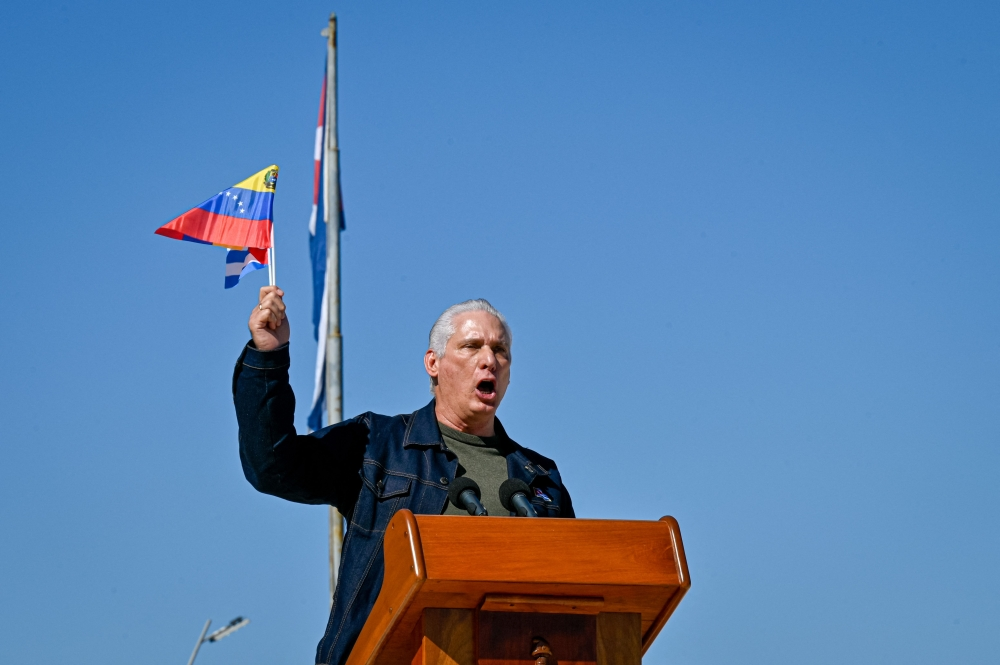
During the rally called for by the ruling Communist Party, held in the symbolic square known as the "Anti-Imperialist Platform," the socialist leader delivered a fiery speech in which he described the US operation as an "unacceptable, blatant, and barbaric kidnapping." Addressing thousands of supporters, Díaz-Canel shouted, "People of America, let's unite!" He asserted that the event represented a "brutal and treacherous attack" targeting not only Venezuela but the national sovereignty of the entire region.
Dimensions of the strategic alliance between Cuba and Venezuela
Cuban anger cannot be understood in isolation from the historical and economic context that binds Havana to Caracas. Since the era of the late President Hugo Chávez, Venezuela has been Cuba’s economic lifeline, providing oil at preferential prices in exchange for Cuban medical and security services. Maduro’s arrest represents a devastating blow to this alliance, placing the Cuban leadership in direct confrontation with the fear of losing the vital support that has prevented the complete collapse of Cuba’s ailing economy.
In his address, the Cuban president noted that the repercussions of this event transcend geographical boundaries, warning that "no one with even a modicum of knowledge can ignore or underestimate the serious consequences of such criminal acts for regional and global peace." The demonstrators chanted anti-Washington slogans such as "Down with imperialism," waving the flags of both countries in a scene reflecting the unwavering solidarity between the two regimes.
US warnings and mounting pressure
On the other hand, these developments come amid unprecedented American pressure. US Secretary of State Marco Rubio, known for his hardline stance against leftist regimes in Latin America, stated that the government in Havana should "be worried" after Maduro's arrest, a clear indication that the tables could turn on Caracas's allies.
Since President Donald Trump's return to the White House, US policy toward Cuba has hardened considerably, with the island being reinstated on the US list of "state sponsors of terrorism." This move has complicated Cuba's international financial transactions and increased its economic isolation, making the loss of its Venezuelan ally at this time a strategic disaster.
A severe internal crisis
Cuba is currently facing its worst economic crisis since the collapse of the Soviet Union three decades ago. The country is suffering from a severe shortage of hard currency and fuel, leading to frequent and prolonged power outages and paralyzing large sectors of the economy. Observers believe that Díaz-Canel's call for "unity" is an attempt to consolidate the domestic front and redirect popular anger toward an "external enemy," amid fears that Maduro's downfall could accelerate the island's economic and social collapse.