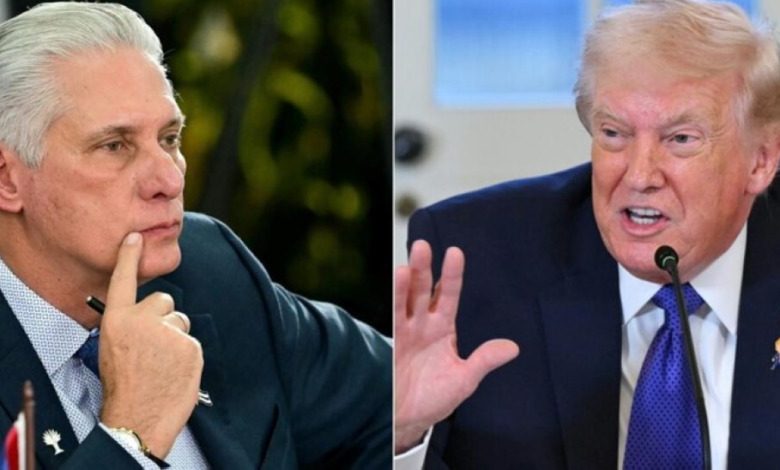

In a decisive response to recent statements from the White House, Cuban President Miguel Díaz-Canel categorically denied the existence of any secret political or diplomatic negotiations between his country and the United States, thus refuting claims made by US President Donald Trump. This denial comes at a highly sensitive time, marked by an unprecedented escalation in the region following the US military operation that led to the arrest of Venezuelan President Nicolás Maduro, a strategic ally of Havana.
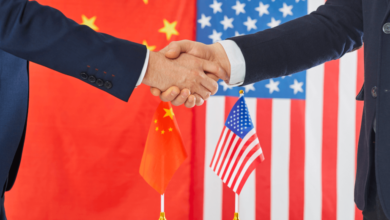
In an official statement posted on the “X” platform (formerly Twitter), Diaz-Canel clarified his country's position, saying, “There are no talks with the United States government, except for routine immigration communications for purely procedural purposes.” This statement contradicts Trump's announcement on Sunday, in which he claimed that Washington was holding talks with Cuba, warning the Cuban leadership of the need to “reach an agreement before it’s too late,” and threatening to cut off the island's economic lifeline by preventing the flow of Venezuelan oil and funds.
Background of the conflict and strained historical relations
To understand the depth of this statement, one must consider the historical context of US-Cuban relations, which have been characterized by hostility since the success of the Cuban Revolution in 1959. Despite a brief thaw in relations during the presidency of Barack Obama, Trump's return to the political scene has revived the "maximum pressure" policy. Cuba, located just a few miles from the Florida coast, is a thorn in the side of US policy in the Caribbean, particularly due to its close alliance with Venezuela.
Cuba is heavily dependent on Venezuela for its energy needs, as Caracas used to supply Havana with oil at preferential prices in exchange for medical and security services, an alliance that Washington seeks to break in order to further isolate the Cuban regime economically and politically.
The repercussions of Maduro's arrest and the international stance
The arrest of Maduro and Trump's statements carry serious geopolitical implications that extend beyond bilateral relations. Domestically, the Cuban economy faces the risk of entering a crippling energy crisis reminiscent of the "special period" of the 1990s following the collapse of the Soviet Union. Regionally, the US pressure aims to dismantle what remains of leftist alliances in Latin America.
In closing, the Cuban president stressed that international relations must be built on mutual respect, saying that dealings with the United States should be “based on international law rather than hostility, threats and economic coercion,” and emphasizing that Cuba’s sovereignty is not up for negotiation and that “no one” dictates Havana’s political decisions.