Cuban President attacks Trump and the Shield of the Americas summit: neo-colonialism

The political arena in the Americas witnessed a sharp escalation in rhetoric between Cuban President Miguel Díaz-Canel and US President Donald Trump, following the "Shield of the Americas" summit in Florida. This summit, which brought together Washington's allies in Latin America, provoked angry reactions from Havana, reviving memories of the Cold War and historical tensions between the two countries.
Trump vows: Cuba is living its final moments
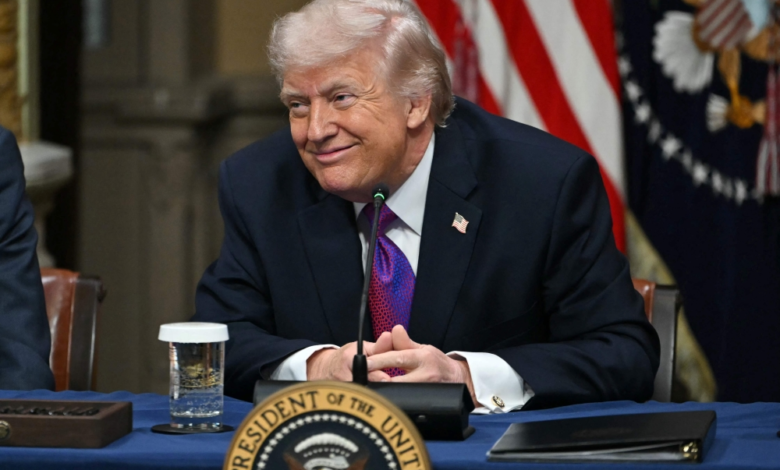
In fiery remarks during the summit held in his Florida stronghold, Donald Trump declared that the Cuban regime was "living its final moments," predicting a "major change" on the communist island soon. Trump didn't stop there; he hinted at his intention to intervene directly in the Cuban issue, saying, "I will take care of Cuba," suggesting the possibility of negotiations aimed at reaching a new agreement. This reflects the US administration's desire to reshape the region's political landscape according to its vision.
Diaz-Canel responds: This is neo-colonialism
For his part, Cuban President Miguel Díaz-Canel was quick to respond, launching a fierce attack via the "X" platform, describing the summit as a "small, reactionary summit." Díaz-Canel considered the meeting a blatant form of "neo-colonialism," accusing the United States of attempting to impose its hegemony on Latin American countries through right-wing governments loyal to it.
The Cuban president pointed out that Washington is trying to force participating countries to accept the "lethal use of US military force" to solve internal problems, which he considered a violation of national sovereignty and a pretext for interfering in the affairs of countries under the guise of ensuring order and calm.
Dimensions and implications of the "Shield of the Americas" summit
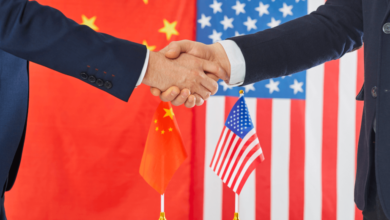
This summit holds immense strategic importance, with the participation of 12 Latin American presidents, reflecting a clear geopolitical divide in the region. Dubbed "Shield of the Americas," the summit aims to bolster American interests and counter the growing influence of rival international powers, particularly China, which has expanded its economic partnerships in the United States' backyard.
Observers believe that choosing Florida as the summit venue carries symbolic and political significance, given the large Cuban and Latin American communities there, many of whom oppose leftist regimes. Furthermore, the nationalist rhetoric adopted by Trump and his allies at the summit suggests a shift toward more hardline policies against socialist regimes in the region, potentially ushering in a new era of political and economic polarization in the Western Hemisphere.
This escalation comes at a time when Cuba is suffering from severe economic crises, making US threats and political pressure an influential factor that could reshape the internal landscape of the island, amid international anticipation of the outcome of this renewed conflict.