
أعلنت السلطات في مدغشقر عن ارتفاع حصيلة ضحايا الإعصار جيزاني الذي ضرب البلاد مؤخرًا، حيث قضى 59 شخصًا على الأقل، بينما لا يزال 15 آخرون في عداد المفقودين. وتأتي هذه الأرقام المفجعة بعد مرور ستة أيام على اجتياح الإعصار لمدينة تواماسينا ومدن أخرى، وفقًا لحصيلة رسمية جديدة صدرت يوم الاثنين، مما يسلط الضوء على حجم الكارثة الطبيعية التي تعاني منها الجزيرة الكبيرة الواقعة في المحيط الهندي.
دمار شامل في تواماسينا والبنية التحتية
خلف الإعصار دمارًا هائلًا، لا سيما في مدينة تواماسينا الواقعة بشمال شرق البلاد، حيث هبت رياح عاتية بلغت سرعتها القياسية 250 كيلومترًا في الساعة. وقد تسبب هذا العصف الجوي في تدمير البنية التحتية بشكل شبه كامل في المناطق المتضررة. وتشير التقارير الميدانية إلى أن أكثر من 25 ألف مسكن قد دُمر بالكامل، بينما غمرت مياه الفيضانات والسيول الجارفة نحو 27 ألف مسكن آخر، مما ترك آلاف العائلات بلا مأوى.
وفي سياق الأضرار البشرية والمادية، أصيب أكثر من 800 شخص بجروح متفاوتة الخطورة، واضطر نحو 16 ألف مواطن إلى النزوح قسرًا ومغادرة منازلهم بحثًا عن مناطق أكثر أمانًا. وتواجه مدينة تواماسينا، التي يقطنها قرابة 400 ألف نسمة، وضعًا إنسانيًا حرجًا، حيث أكد برنامج الأغذية العالمي تضرر شبكة الكهرباء بنسبة تصل إلى 95%، بالإضافة إلى الافتقار الكامل للمياه الصالحة للشرب، مما ينذر بكارثة صحية إذا لم يتم تدارك الموقف.
مدغشقر ومواسم الأعاصير: سياق جغرافي ومناخي
تعد مدغشقر، بحكم موقعها الجغرافي في قلب المحيط الهندي، واحدة من أكثر الدول عرضة للأعاصير المدارية العنيفة. ويأتي الإعصار جيزاني كحلقة جديدة في سلسلة من الكوارث الطبيعية التي تضرب البلاد سنويًا، مما يفاقم من التحديات الاقتصادية والتنموية. وكان شمال غرب البلاد قد تعرض في بداية شهر فبراير لإعصار استوائي آخر خلف قتلى ونازحين، مما يبرز هشاشة البنية التحتية في مواجهة التغيرات المناخية المتطرفة التي تزيد من وتيرة وشدة هذه العواصف.
استجابة دولية ومساعدات عاجلة
في إطار الجهود الدولية لإغاثة المنكوبين، قدمت جمهورية الصين الشعبية مساعدة مالية لمدغشقر بقيمة مائة مليون يوان (ما يعادل نحو 12 مليون يورو) للمساهمة في جهود إعادة الإعمار والإغاثة. من جانبها، أعلنت فرنسا عن تسيير جسر جوي وبحري لإرسال مواد غذائية وفرق إسعاف وعناصر من وحدات الإطفاء انطلاقًا من جزيرة لا ريونيون الفرنسية المجاورة، والتي تبعد حوالي ألف كيلومتر عن السواحل المدغشقربة.
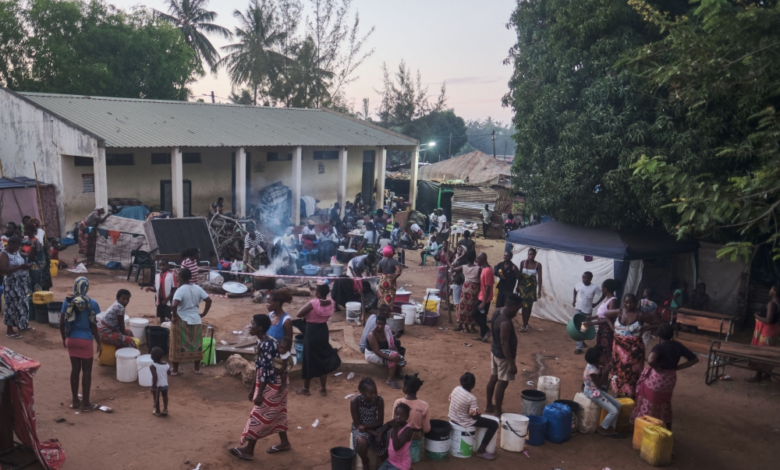
وتظهر الصور التي التقطتها وكالات الأنباء العالمية شوارع الوسط التجاري لتواماسينا وقد غمرتها المياه الموحلة، بينما يصطف السكان في طوابير طويلة داخل المدارس التي تحولت إلى مراكز إيواء وتوزيع للمساعدات الإنسانية، في مشهد يعكس حجم المعاناة التي يعيشها السكان.
امتداد التأثير إلى موزمبيق
لم يتوقف تأثير الإعصار جيزاني عند حدود مدغشقر، بل واصل طريقه عبر قناة موزمبيق ليصل إلى البر الأفريقي، حيث ضرب سواحل موزمبيق في نهاية الأسبوع. وأسفر الإعصار هناك عن مقتل أربعة أشخاص على الأقل، مخلفًا دمارًا ملحوظًا في مدينة إينهامبان الساحلية الجنوبية، مما يستدعي تنسيقًا إقليميًا لمواجهة تداعيات هذه العواصف العابرة للحدود.