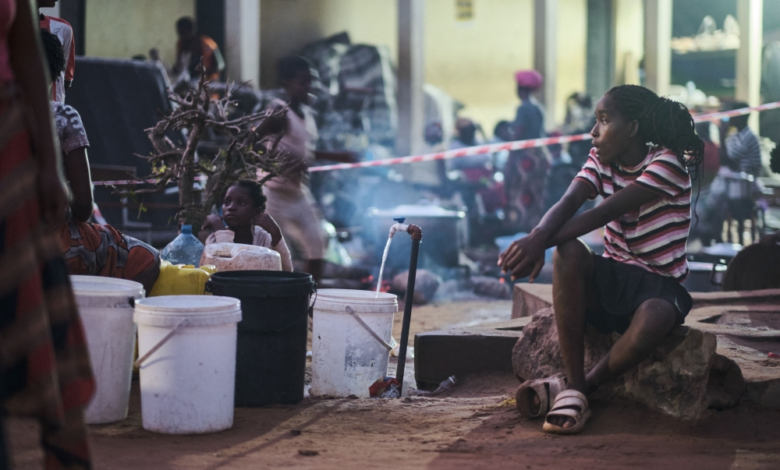

تواصل دول جنوب القارة الأفريقية مواجهة تداعيات الكوارث الطبيعية المتتالية، حيث أودى إعصار غيزاني بحياة أربعة أشخاص على الأقل في موزمبيق، وفقاً لما أعلنته السلطات المحلية يوم السبت. يأتي هذا التطور المأساوي بعد أيام قليلة من اجتياح الإعصار ذاته لدولة مدغشقر المجاورة، حيث خلف دماراً هائلاً وعشرات القتلى، مما يفاقم الأزمات الإنسانية والاقتصادية في المنطقة.
تفاصيل الكارثة في موزمبيق
بحسب هيئة الأرصاد الجوية الموزمبيقية، ضربت العاصفة السواحل برياح عاتية بلغت سرعتها القياسية 215 كيلومتراً في الساعة. وقد تركزت الأضرار الجسيمة في مدينة إينيامبانه، التي تُعد واحدة من كبرى مدن الجنوب وأكثرها جذباً للسياحة، إلا أنها كانت الأكثر عرضة لهذا الخطر الداهم بسبب موقعها الجغرافي المفتوح على المحيط.
ويقطن في مدينة إينيامبانه والمناطق المحيطة بها نحو 100 ألف نسمة، وتقع على بعد حوالي 500 كيلومتر من العاصمة مابوتو. وقد تسببت قوة الرياح في اقتلاع الأشجار وأعمدة الإنارة، مما أدى إلى انقطاع التيار الكهربائي عن أكثر من 130 ألف شخص، وفقاً لبيانات شركات الكهرباء الوطنية، وهو ما يعقد عمليات الإغاثة والتواصل في المناطق المنكوبة.
الوضع المأساوي في مدغشقر
قبل وصوله إلى موزمبيق، كان الإعصار قد ضرب بقوة جزيرة مدغشقر، حيث أعلنت الحكومة هناك حالة طوارئ وطنية. وتشير الإحصاءات الرسمية إلى أن الإعصار خلف ما لا يقل عن 40 قتيلاً، وألحق دماراً واسع النطاق في مدينة تواماسينا، ثاني أكبر مدن البلاد والتي يقطنها قرابة 400 ألف نسمة.
وقد صرحت السلطات في مدغشقر بأن الخسائر المادية الأولية الناجمة عن العاصفة تقدر بنحو 142 مليون دولار، مشيرة إلى أن حوالي 75% من مدينة تواماسينا قد تعرض للتدمير، بما في ذلك اقتلاع الأسقف المعدنية للمنازل والفنادق، كما أظهرت الصور التي بثتها وكالات الأنباء العالمية.
السياق الإقليمي وتأثير التغير المناخي
تُعد منطقة قناة موزمبيق وجنوب غرب المحيط الهندي من أكثر المناطق عرضة للأعاصير المدارية العنيفة، خاصة في موسم الأمطار الذي يمتد عادة من نوفمبر إلى أبريل. ويرى خبراء المناخ أن ارتفاع درجات حرارة مياه المحيطات نتيجة للتغير المناخي يساهم في زيادة حدة هذه العواصف وتكرارها، مما يضع البنية التحتية الهشة في دول مثل موزمبيق ومدغشقر تحت ضغط مستمر.
وتشكل هذه الكوارث تحدياً كبيراً للاقتصاديات المحلية، حيث يعتمد جزء كبير من السكان على الزراعة وصيد الأسماك، وهي قطاعات تتضرر بشدة جراء الفيضانات والرياح العاتية. كما تثير هذه الأحداث مخاوف من تفشي الأمراض المنقولة عبر المياه وتفاقم أزمة النزوح الداخلي، مما يستدعي تدخلاً دولياً عاجلاً لتقديم المساعدات الإنسانية ودعم جهود إعادة الإعمار.