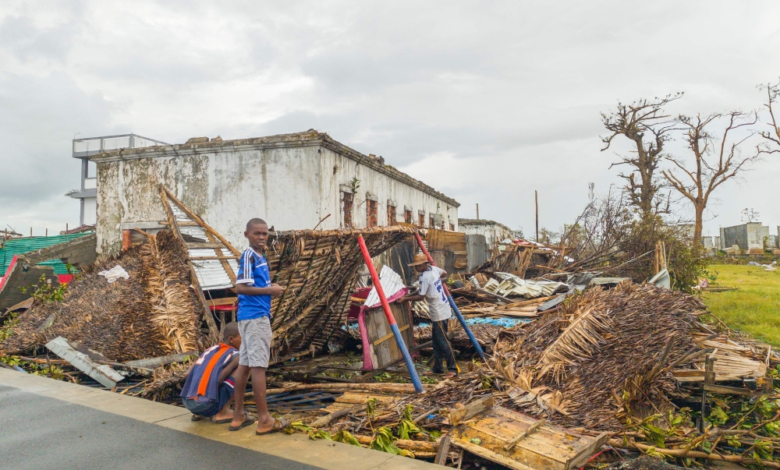

شهدت جمهورية مدغشقر مأساة إنسانية جديدة جراء الكوارث الطبيعية، حيث ارتفعت حصيلة ضحايا إعصار "جيزاني" المدمر الذي اجتاح البلاد يوم الثلاثاء الماضي إلى 36 قتيلاً على الأقل، مخلفاً وراءه دماراً هائلاً في البنية التحتية والمنازل. وقد أفادت التقارير الرسمية بإصابة أكثر من 370 شخصاً بجروح متفاوتة الخطورة، بينما تعرض نحو 18 ألف منزل في مختلف أنحاء البلاد للدمار الكلي أو الجزئي، مما شرد آلاف الأسر وفاقم من المعاناة الإنسانية في الجزيرة الواقعة في المحيط الهندي.
تفاصيل الخسائر في توماسينا
وفي بيان صادر عن المكتب الوطني لإدارة المخاطر والكوارث في مدغشقر، تم التأكيد على أن مدينة توماسينا، التي تُعد الميناء الرئيسي والمركز الاقتصادي الحيوي للبلاد، كانت الأكثر تضرراً من هذه الكارثة. فقد سجلت المنطقة وحدها 32 حالة وفاة من إجمالي الضحايا، مما يعكس حجم الضربة التي تلقاها هذا الشريان الاقتصادي الهام. وأشار المكتب إلى أن الإعصار، الذي صاحبته رياح عاتية تجاوزت سرعتها 195 كيلومتراً في الساعة، تسبب في تدمير 17 ألفاً و980 منزلاً بشكل كامل، بالإضافة إلى تضرر أكثر من 37 ألف منزل آخر، مما يستدعي تدخلاً عاجلاً لإيواء المتضررين.
السياق الجغرافي والمناخي لمدغشقر
تأتي هذه الكارثة في سياق جغرافي ومناخي يجعل من مدغشقر واحدة من أكثر الدول عرضة للكوارث الطبيعية في العالم. فالجزيرة الواقعة قبالة الساحل الشرقي لأفريقيا تقع في مسار مباشر للأعاصير المدارية التي تتشكل في المحيط الهندي، خاصة خلال موسم الأمطار الذي يمتد عادة من نوفمبر إلى أبريل. وتواجه البلاد تحديات مستمرة في التعامل مع هذه الظواهر الجوية المتطرفة نظراً لهشاشة البنية التحتية في العديد من المناطق الريفية والساحلية، مما يضاعف من حجم الخسائر البشرية والمادية عند كل عاصفة.
التداعيات الاقتصادية والإنسانية
من المتوقع أن يكون لإعصار "جيزاني" تداعيات اقتصادية طويلة الأمد، لا سيما وأنه ضرب المركز الاقتصادي "توماسينا". فتوقف العمل في الميناء الرئيسي أو تضرره يعني تعطل سلاسل الإمداد والتوريد، مما قد يؤثر على توفر السلع الأساسية والمواد الغذائية في الأسواق المحلية، فضلاً عن تأثيره على حركة الصادرات. وتتطلب مرحلة ما بعد الإعصار جهوداً دولية ومحلية مكثفة لإعادة الإعمار وتوفير المساعدات الطبية والغذائية العاجلة للمناطق المنكوبة لمنع تفشي الأمراض أو حدوث مجاعة محلية.
تاريخ من الأعاصير المدمرة
يُذكر أن هذه الحادثة ليست معزولة، بل هي حلقة في سلسلة من الكوارث التي ضربت الجزيرة مؤخراً. فقد تعرضت مدغشقر لأكثر من اثني عشر إعصاراً أو عاصفة مدارية قوية منذ عام 2020، مما يضع ضغوطاً هائلة على ميزانية الدولة وقدرتها على التعافي. ويشير خبراء المناخ إلى أن التغيرات المناخية العالمية قد تساهم في زيادة حدة وتواتر هذه الأعاصير، مما يستوجب وضع استراتيجيات تكيف أكثر صرامة لحماية الأرواح والممتلكات في المستقبل.