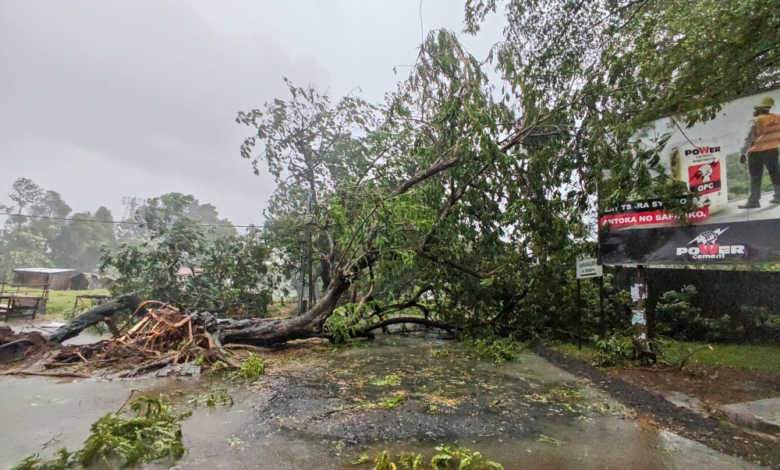

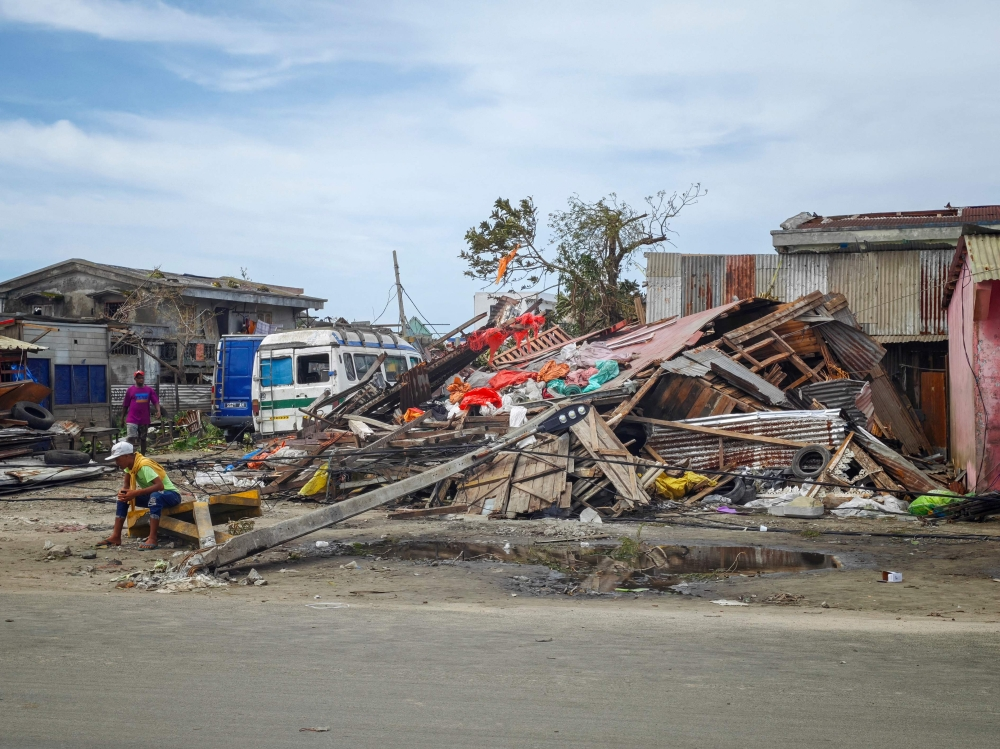
شهدت جزيرة مدغشقر الواقعة في المحيط الهندي كارثة طبيعية جديدة، حيث لقي ما لا يقل عن 20 شخصاً حتفهم وأصيب 33 آخرون بجروح متفاوتة الخطورة، وذلك جراء اجتياح إعصار “جيزاني” المداري للبر الرئيسي للجزيرة. وقد ضرب الإعصار البلاد بقوة هائلة مصحوباً برياح عاتية تجاوزت سرعتها 195 كيلومتراً في الساعة، مما تسبب في شلل تام في المناطق المتضررة وألحق أضراراً جسيمة بالبنية التحتية والمنازل.
تفاصيل الكارثة والجهود الحكومية
أفادت السلطات المحلية في بيان رسمي اليوم بأن الإعصار لم يكتفِ بالرياح المدمرة، بل جلب معه أمطاراً غزيرة تسببت في ارتفاع منسوب المياه في عدة مناطق. وأكدت فرق الطوارئ أن عمليات الإنقاذ والبحث لا تزال جارية على قدم وساق للوصول إلى المناطق المعزولة، وسط تحذيرات شديدة اللهجة من احتمالية تشكل فيضانات عارمة وانزلاقات أرضية نتيجة استمرار هطول الأمطار والرياح العاتية التي ستصاحب المنخفض الجوي خلال الساعات القادمة.
توالي الكوارث: من “فيتيا” إلى “جيزاني”
يأتي إعصار “جيزاني” ليفاقم معاناة سكان مدغشقر الذين لم يتعافوا بعد من آثار الكارثة السابقة؛ ففي بداية شهر فبراير الحالي، تعرضت الجزيرة لإعصار “فيتيا” الاستوائي الذي ضرب الساحل الغربي بقوة. وقد خلف ذلك الإعصار خسائر بشرية ومادية كبيرة، حيث تسبب في وفاة سبعة أشخاص على الأقل، وأجبر أكثر من 20 ألف مواطن على الفرار من منازلهم واللجوء إلى مراكز الإيواء المؤقتة. إن تتابع هذه العواصف المدارية في فترة زمنية قصيرة يضع ضغطاً هائلاً على الموارد الحكومية وقدرة البلاد على الاستجابة للطوارئ.
السياق الجغرافي والمناخي
تعتبر مدغشقر، رابع أكبر جزيرة في العالم، واحدة من أكثر الدول عرضة للأعاصير المدارية في منطقة جنوب غرب المحيط الهندي. يبدأ موسم الأعاصير عادة في نوفمبر ويستمر حتى أبريل، وغالباً ما تواجه البلاد عواصف مدمرة تؤدي إلى خسائر اقتصادية فادحة، خاصة في قطاع الزراعة الذي يعتمد عليه جزء كبير من السكان. ويرى خبراء المناخ أن التغيرات المناخية العالمية تساهم في زيادة حدة وتواتر هذه الظواهر الجوية المتطرفة، مما يجعل المجتمعات الهشة في الجزيرة تواجه تحديات متزايدة في تأمين سبل العيش والسلامة العامة.
التأثيرات المتوقعة والدعوات الدولية
من المتوقع أن يكون لإعصار “جيزاني” تداعيات طويلة الأمد على المناطق المتضررة، تشمل تدمير المحاصيل الزراعية، وتلوث مصادر المياه، وتضرر شبكات الطرق والكهرباء. وتدعو المنظمات الإنسانية الدولية إلى ضرورة تقديم الدعم العاجل لمدغشقر لمواجهة هذه الأزمة المتجددة، حيث يحتاج الآلاف من النازحين إلى المأوى والغذاء والرعاية الطبية العاجلة لتجنب تفشي الأمراض والأوبئة في أعقاب الفيضانات.