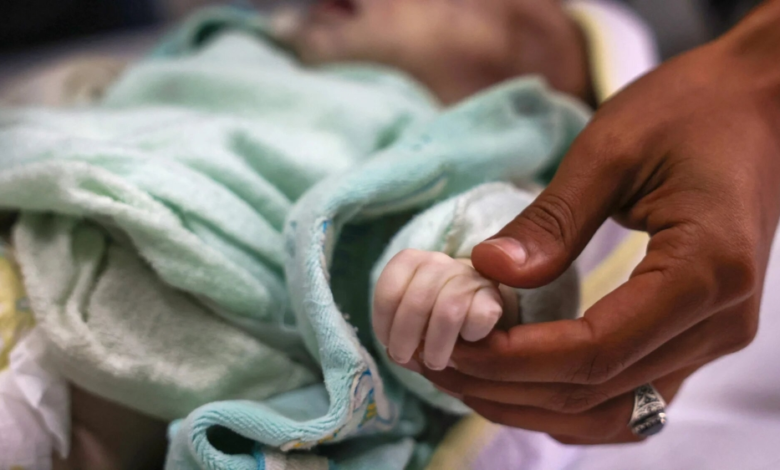

The latest vital statistics in Saudi Arabia reveal figures reflecting the Kingdom's rapid demographic growth and dynamism, with hospitals in both the public and private sectors recording approximately 1,480 births daily. These figures are not merely numerical statistics, but rather reflect a developing health and social reality, as this equates to the birth of a new child almost every minute, placing the Kingdom before ongoing developmental challenges.
Significance of the numbers and population growth
Analyzing this figure (1,480 births daily) reveals a young and dynamic population. Saudi Arabia is one of the world's most demographically young countries, with youth and children comprising the largest segment of its population. This natural growth strengthens the nation's human capital in the future and contributes to supplying the labor market with young, qualified national talent, aligning with the goals of Vision 2030, which places great emphasis on young human capital to lead economic and social transformation.
Health sector readiness and development of care
Receiving this large number of newborns daily requires a robust and advanced healthcare infrastructure. The healthcare sector in the Kingdom has witnessed significant advancements in recent years, including the expansion of maternity and pediatric departments, the establishment of integrated medical cities, and the implementation of the latest international standards in maternal and fetal care. The Ministry of Health and relevant authorities are committed to providing prenatal care programs, early newborn screening, and comprehensive vaccination programs, which have directly contributed to reducing infant mortality rates and increasing life expectancy in Saudi Arabia.
Social and economic dimensions
From an economic and social perspective, this continuous influx of births represents what is known as the "demographic dividend." These numbers necessitate long-term strategic planning that includes expanding the construction of schools, universities, recreational facilities, and housing units. The continued population growth at these healthy rates is an indicator of social stability and quality of life in the Kingdom, and it places a responsibility on planners to ensure a prosperous future for these coming generations by providing employment opportunities and a decent standard of living.
Compared to global averages
Although many developed countries face challenges related to aging populations and declining birth rates, the Kingdom maintains balanced fertility rates that ensure the renewal of generations. This balance reflects the success of its health and social policies and confirms that the Kingdom is on the right track toward building a vibrant society capable of meeting future challenges with a promising national workforce.