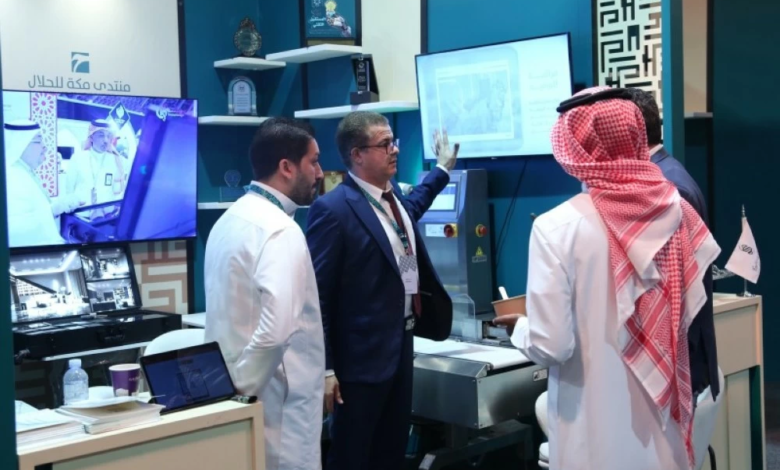
The third edition of the Makkah Halal Forum kicks off under the patronage of the Minister of Commerce

The third edition of the Makkah Halal Forum 2026 commenced yesterday (Saturday), under the patronage of the Minister of Commerce, Dr. Majid Al-Qasabi. Organized by the Manafe’ initiative, this prominent event runs from February 14th to 16th at the Makkah Chamber of Commerce Exhibition and Events Center, under the theme “Halal: A Professional Industry,” underscoring the Kingdom’s new direction towards leading this vital sector globally.
A strategic shift in the concept of the halal industry
In his opening remarks, the Secretary General of the Islamic Chamber of Commerce and Development, Professor Yousef Khallawi, affirmed that the forum is one of the most prominent outcomes of the global “Manafe’a” initiative. He pointed out that the event directly aims to solidify the status of Makkah and Madinah as central hubs for Muslims, not only in religious matters but also in the fields of business, investment, and trade. Khallawi explained that this year’s theme reflects a strategic direction towards transforming the concept of halal from mere traditional religious compliance into an integrated industrial system based on the highest standards, governance, and the building of institutional trust.
Economic importance and global context
This forum is of particular importance given the rapid growth of the halal sector worldwide. International economic reports indicate that the halal economy is no longer limited to food and beverages, but has expanded to include cosmetics, pharmaceuticals, tourism, and financial and banking services. The Kingdom's hosting of this event aligns with the objectives of Saudi Vision 2030, which aims to diversify income sources and increase non-oil exports. The Kingdom is working to strengthen the halal ecosystem to enable local companies to access global markets and attract foreign investment to this promising sector.
Forum events and discussion sessions
The first day featured a high-level conference with five enriching panel discussions covering vital topics including the global positioning of the halal brand, Islamic investment and finance mechanisms, and building the sector's economic assets. Workshops and a closed roundtable were also held, addressing specific technical topics such as export, import, and franchising, providing a platform for decision-makers and business leaders to exchange expertise.
Mecca: A Global Business Hub
The forum serves as a platform that brings together economic thought, regulatory standards, and technological innovation, reinforcing the Kingdom's leading role in the global halal industry. Through these events, the "Manafe'a" initiative seeks to leverage the sacred status of Mecca and Medina to transform them into hubs for financial and business events in the Islamic world. This will contribute to raising the quality of services and products offered to Muslims worldwide and supporting the national economy with sustainable, high-value-added industries.