Damascus-SDF negotiations: Efforts to salvage the military integration agreement

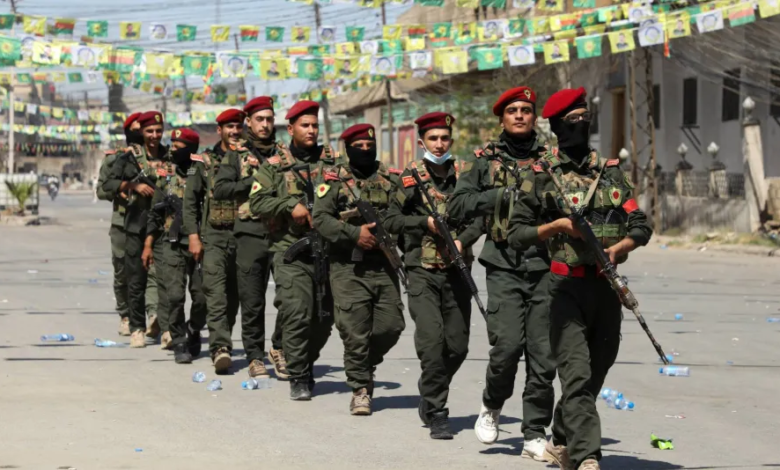
The Syrian arena is witnessing intense and unprecedented political and military activity, as both the Syrian government in Damascus and the Syrian Democratic Forces (SDF) are accelerating their efforts to salvage the proposed merger agreement between the two sides before the expiration of the unannounced but implicitly agreed-upon deadline brokered by international mediators, most notably Russia. This urgency stems from field and regional challenges that compel both sides to reach a compromise formula to avert even more complex scenarios in the region.
Historical background and roots of the dispute
To understand the nature of this heated race, it is necessary to return to the roots of the thorny relationship between Damascus and the Autonomous Administration in North and East Syria. For years, the US-backed Syrian Democratic Forces (SDF) have controlled vast swathes of resource-rich Syrian territory, while Damascus insists on restoring full sovereignty over all national lands. Previous negotiations have consistently stalled on a fundamental point: Should Damascus integrate the SDF as individuals within the Syrian army (Damascus's vision), or should it be maintained as a distinct military entity within the national defense system (the SDF's vision)?
Russia's role and regional threats
The Russian side is playing a pivotal role in bridging the gap between the two sides, as Moscow seeks to integrate Kurdish forces into the Fifth Corps or auxiliary formations of the Syrian army to preempt any further foreign intervention. These negotiations are of paramount importance given the tense regional context, particularly Turkey's persistent threats to launch ground operations in northern Syria. This external pressure is a strong incentive for both sides to make mutual concessions, as the Syrian Democratic Forces (SDF) recognize that American support may not be permanent, while Damascus understands that regaining control of the oil and agricultural resources in the east is a pressing economic necessity.
The importance of the agreement and its expected impact
The success of the merger agreement before the deadline will constitute a strategic turning point in the course of the Syrian war. Domestically, it will mean unifying the armed forces against terrorist organizations and strengthening stability in the Jazeera and Euphrates regions. Economically, it will contribute to alleviating the severity of the humanitarian crisis by facilitating the flow of oil and wheat to the rest of the Syrian provinces. Regionally, this agreement will draw new red lines against expansionist ambitions in Syrian territory and reshape the political map in a way that guarantees the unity and sovereignty of Syrian lands.
In conclusion, the coming hours and days remain crucial in determining the fate of this agreement. Either diplomacy and military necessities will succeed in bridging the gap, or things will return to square one with all the risks that entails, open to all possibilities.