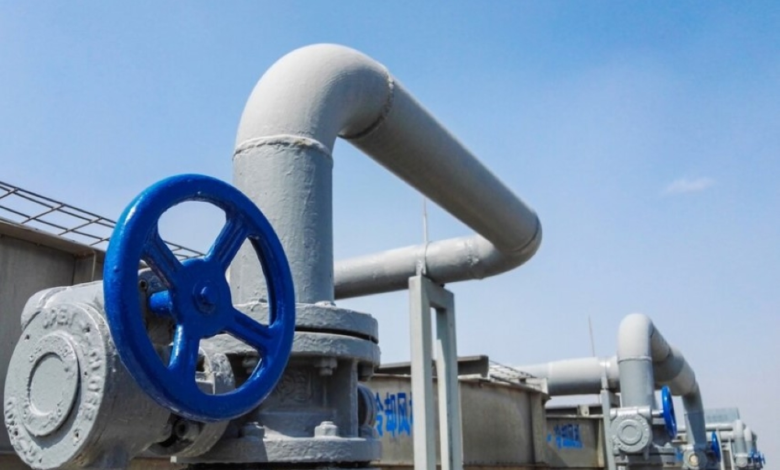

The authorities concerned with the water sector announced that March 31st has been set as the final deadline for owners of water filling stations to rectify their licensing status, calling on all investors and operators in this vital sector to quickly complete the regulatory procedures before the deadline expires to avoid legal penalties and measures that may lead to the closure of violating facilities.
The importance of regulation and oversight in the water sector
This decision comes as part of ongoing efforts to regulate the water sector and ensure the quality of services provided to beneficiaries. Water filling stations (water distribution points) and small purification plants are among the most important sources relied upon by a wide segment of consumers, making oversight essential to guarantee water safety and compliance with approved health standards and specifications. This corrective campaign aims to eliminate haphazard practices in the sector and ensure that all stations operate in accordance with the technical and environmental requirements that guarantee the sustainability of water resources and protect public health.
Required procedures and consequences
Station owners are required to access the Ministry's approved electronic platforms and submit applications to rectify their status. This includes updating data, verifying the validity of licenses, and ensuring compliance with the installation of necessary monitoring and control equipment. The Ministry emphasized that failure to rectify the status by the deadline will subject the establishment to legal accountability, including fines and suspension of operations. This step aims to promote fairness and fair competition among investors, as adherence to standards enhances the sector's efficiency and protects legitimate investors from unfair competition with unlicensed stations.
The strategic dimension of water security
These measures fall under the National Water Strategy, which aims to maximize the utilization and conservation of water resources. Water is a strategic national asset, and its effective management requires strong governance and strict oversight of all distribution and extraction points. By requiring filling stations to obtain the correct licenses, the state ensures monitoring of the quantities of water extracted and sold, contributing to the development of an accurate database that will inform future decisions related to water security. The Ministry calls upon all citizens and residents to cooperate by dealing only with licensed stations and reporting any violations they observe, thus strengthening the community's role in oversight.