
وفاة الرئيس اليمني السابق عبد ربه منصور هادي
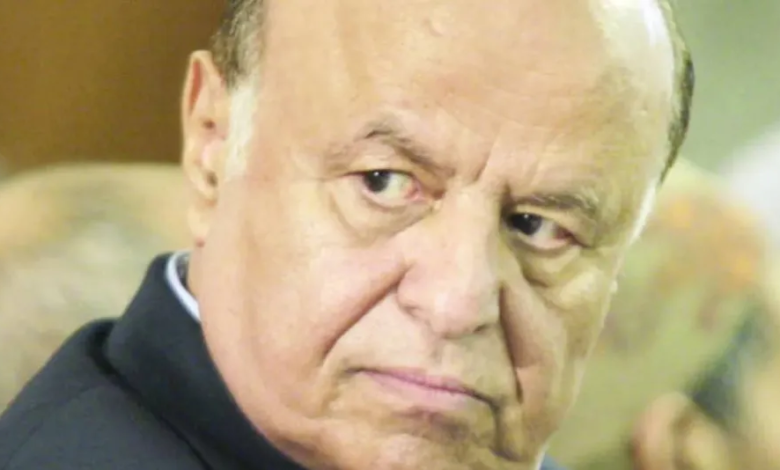
توفي الرئيس اليمني السابق، عبد ربه منصور هادي، في العاصمة السعودية الرياض، التي اتخذها مقراً لإقامته منذ سنوات، عن عمر يناهز [اذكر العمر هنا إن كان معروفاً]. ويُسدل الستار بوفاته على مسيرة سياسية طويلة ومضطربة، شهدت تحولات كبرى في تاريخ اليمن الحديث، بدءاً من توليه السلطة في أعقاب ثورة 2011، وانتهاءً بالحرب الأهلية التي لا تزال مستمرة.
خلفية تاريخية: من نائب إلى رئيس في مرحلة انتقالية
صعد هادي، الذي ينحدر من محافظة أبين جنوب اليمن، إلى قمة السلطة في فبراير 2012، بعد أن شغل منصب نائب الرئيس لعلي عبد الله صالح لمدة تقارب العقدين. جاء انتخابه كرئيس توافقي ومرشح وحيد في انتخابات رئاسية مبكرة، كجزء من المبادرة الخليجية التي هدفت إلى إنهاء الأزمة السياسية التي أعقبت الاحتجاجات الشعبية ضد حكم صالح. كان من المفترض أن يقود هادي مرحلة انتقالية لمدة عامين، تشمل حواراً وطنياً شاملاً وصياغة دستور جديد، تمهيداً لإجراء انتخابات عامة. إلا أن هذه المرحلة واجهت تحديات هائلة منذ بدايتها، تمثلت في استمرار نفوذ النظام السابق، وتصاعد نشاط تنظيم القاعدة، وتمدد الحركة الحوثية في شمال البلاد.
تحديات الرئاسة والحرب الأهلية
شهدت فترة رئاسة هادي الفعلية في صنعاء انهياراً متسارعاً لمؤسسات الدولة. ففي سبتمبر 2014، اجتاح الحوثيون العاصمة صنعاء وسيطروا على مؤسساتها الحكومية، ليفرضوا على هادي إقامة جبرية. وفي مطلع عام 2015، تمكن من الفرار إلى مدينة عدن، التي أعلنها عاصمة مؤقتة للبلاد، قبل أن يغادرها إلى الرياض مع بدء التدخل العسكري للتحالف العربي بقيادة السعودية في مارس 2015 لدعم حكومته المعترف بها دولياً.
الأهمية والتأثير المتوقع لوفاته
على الرغم من أنه نقل صلاحياته بالكامل إلى مجلس القيادة الرئاسي في أبريل 2022، فإن وفاة هادي تمثل حدثاً رمزياً كبيراً. فعلى الصعيد المحلي، تطوي وفاته صفحة “الشرعية” التي استندت إليها عمليات التحالف العربي لسنوات، وقد تمنح مجلس القيادة الرئاسي مساحة أكبر لترسيخ سلطته بعيداً عن ظل الرئيس السابق. إقليمياً ودولياً، يُنظر إلى رحيل هادي على أنه نهاية رمزية للمرحلة الانتقالية التي بدأت في 2012، وقد يدفع الأطراف الإقليمية والدولية، بما في ذلك الأمم المتحدة، إلى تكثيف جهودها للتعامل مع الواقع الجديد الذي يمثله مجلس القيادة الرئاسي ككيان أساسي في أي مفاوضات سلام مستقبلية. إن رحيله يغلق فصلاً من فصول الأزمة اليمنية، لكنه يفتح الباب أمام تساؤلات حول مستقبل هيكل السلطة في المعسكر المناهض للحوثيين وقدرته على التوحد في مواجهة التحديات القادمة.