
Gold prices fall to their lowest levels: An analytical look at the reasons for the decline
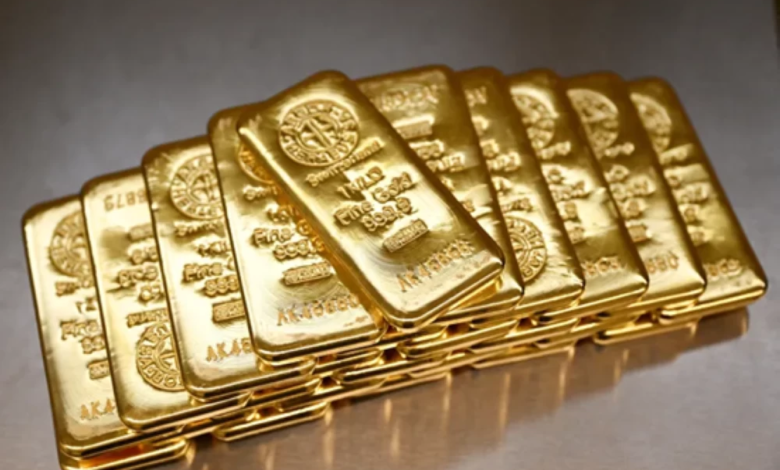
In a notable shift within global financial markets, gold prices continued their sharp decline for the tenth consecutive session, hitting new lows that have captured the attention of both investors and economic analysts. The spot price of gold fell to $4,345 per ounce, while April futures contracts for the precious metal settled at $4,349. This continued decline is directly influenced by the strong rise in the US dollar index, coupled with fading expectations of near-term interest rate cuts by central banks.
The impact of monetary policies and the strength of the dollar on precious metals
Historically, gold prices have been inversely related to the value of the US dollar and interest rates. When interest rates rise, fixed-income assets like government bonds become more attractive, prompting investors to move away from gold, which does not offer a fixed return. Furthermore, a continued strong dollar makes the precious metal more expensive for investors and holders of other foreign currencies, reducing physical global demand and putting downward pressure on prices. This economic dynamic clearly explains current market behavior and global capital flows.
Geopolitical tensions and their impact on markets
Although gold is considered a traditional safe haven during times of crisis, its price has been severely affected by the uncertainty stemming from the ongoing war in the Middle East. According to recorded data, prices have fallen by approximately 18% since the start of the conflict. Experts attribute this unusual decline to investors liquidating their financial positions to cover losses in other markets, or to turning to the liquidity of the dollar as a last resort in light of the complexities of the global political and economic landscape.
A general decline including silver, platinum, and palladium
The decline wasn't limited to gold; it extended to the entire basket of precious metals, reflecting a general aversion to risk and a preference for the US dollar. Silver prices fell to $67 an ounce. Platinum prices dropped to $1,841, and palladium fell to $1,393. It's worth noting that these metals, particularly platinum and palladium, are used in many vital industries, such as automobiles and electronics, so their price declines also reflect the impact of a strong dollar on the cost of industrial raw materials.
Importance and expected impact in the medium term
This continued decline in precious metal prices has far-reaching implications. Domestically, the jewelry retail sector may experience shifts in purchasing patterns due to price volatility. Regionally and internationally, this drop affects the valuation of central bank reserves that rely on gold as part of their monetary backing. Ultimately, investors will remain focused on upcoming economic data and central bank decisions, which will be the primary determinants of gold prices in the near future.